
Planning a wine tour in Napa Valley is about more than choosing wineries. Visitors also need to consider tasting reservations, travel time, lunch breaks, vineyard locations, and the amount of time they want to spend at each stop. Without a realistic schedule, a relaxing day in wine country can quickly become a series of rushed appointments.
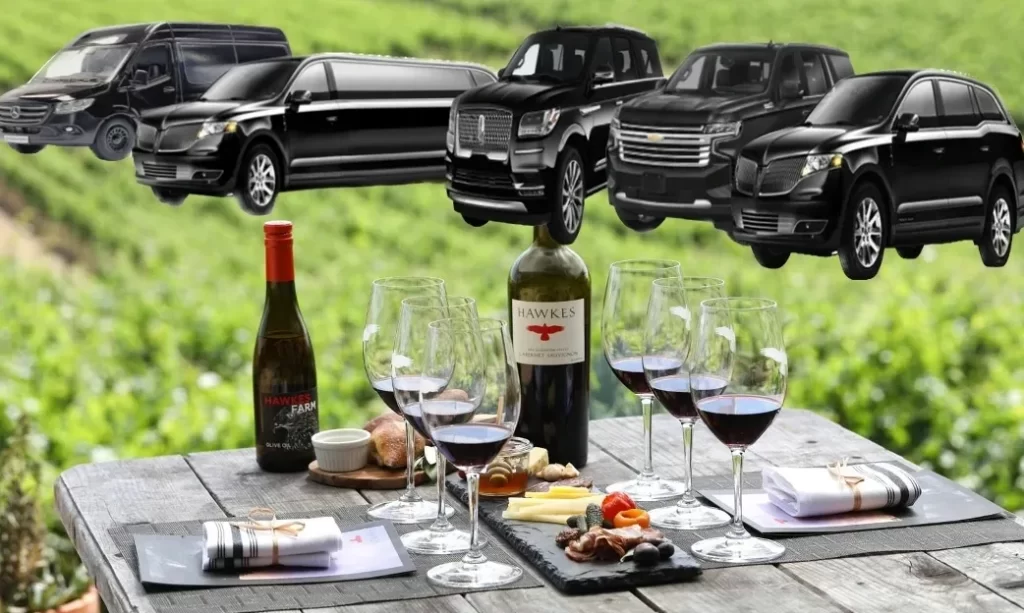
A well-planned Napa wine tour allows visitors to enjoy each winery, learn about the wines, explore vineyard surroundings, and have enough time to travel comfortably between locations. Whether you are organizing a private outing with friends, a couples’ getaway, a birthday celebration, or a corporate gathering, building the right itinerary makes a significant difference.
For travelers arranging transportation with Napa Limo, the most useful starting point is to plan the winery visits first and then organize the driving schedule around the confirmed appointments.
This guide explains how to create a practical Napa Valley wine tour itinerary, how many wineries to visit in one day, how to account for travel time, and how to avoid common scheduling mistakes.
1. Start With Two or Three Winery Visits
One of the easiest ways to make a Napa wine tour more enjoyable is to avoid scheduling too many tastings.
For most visitors planning a relaxed full-day excursion, two or three wineries provide a sensible starting point. Napa Valley’s visitor guidance recommends limiting the itinerary because tasting experiences can take around 90 minutes or longer, with additional travel time between locations.
The appropriate number depends on the type of tasting, the distance between wineries, and whether you plan to include lunch or a vineyard tour.
For example, a guided winery visit may include an introduction to the vineyard, an explanation of the winemaking process, several wine samples, and time for questions. Rushing immediately to another appointment can prevent visitors from fully enjoying the experience.
Before choosing your stops, review the official Visit Napa Valley wine-tasting tips.
When Should You Visit More Wineries?
Visiting three or four wineries may work when the appointments are relatively short, the locations are close together, and the wineries confirm that the schedule is feasible.
However, it is better to enjoy three well-planned visits than to reserve five or six stops that leave little time for meals, travel, or unexpected delays.
Start with the experiences you most want to enjoy, then add other stops only when the schedule allows.
2. Choose Wineries in the Same General Area
Napa Valley includes several wine-growing areas and communities, including Napa, Yountville, Oakville, Rutherford, St. Helena, and Calistoga. Each offers different winery settings and tasting experiences.
Although it can be tempting to select wineries based only on photographs or recommendations, the locations should also fit together geographically.
A schedule with neighboring stops can reduce unnecessary driving and give visitors more time at the wineries.
Plan Around Southern Napa Valley
Visitors interested in beginning near the southern part of the valley can research wineries around Napa and Yountville. These areas can be useful starting points for an itinerary that gradually moves north, depending on the selected appointments.
Explore Oakville and Rutherford
Oakville and Rutherford provide another possible focus for visitors interested in vineyard visits and tasting experiences in the central valley.
When selecting wineries in these areas, check the actual driving distance and access instructions rather than assuming that every nearby-looking property is only a few minutes away.
Finish Near St. Helena or Calistoga
Travelers who want to explore farther north can build their day around wineries near St. Helena or Calistoga.
This may require a different departure time and a more careful review of the final return journey, particularly when the group is traveling back toward San Francisco or another Bay Area destination.
You do not need to cover the entire valley in one day. Choose the area that best matches your interests and available time.
3. Reserve Tasting Appointments Before Finalizing the Itinerary
Once you have shortlisted your wineries, check their reservation requirements and available tasting times.
Some wineries offer scheduled seated tastings, guided tours, or food-pairing experiences. Others have different appointment lengths or limited daily availability. You should not assume that every tasting allows walk-ins or follows the same timetable.
The official Napa Valley winery directory can help you research tasting locations and the experiences they offer.
For each appointment, record:
- Winery name and address
- Reservation time
- Expected experience duration
- Number of guests
- Tasting type
- Cancellation or rescheduling policy
- Special arrival instructions
Keep the confirmation details together so that the transportation schedule can be built around the actual appointments.
If a winery has a fixed start time, treat it as an important itinerary constraint rather than a flexible suggestion.
4. Add Travel Time Between Every Stop
A common planning mistake is leaving only a few minutes between tastings because the wineries appear close on a map.
The journey itself may be short, but visitors still need time to leave one property, reach the next location, park or unload, and check in for the reservation.
Traffic, road conditions, winery entrances, and seasonal visitor activity can also affect arrival times.
For each journey, estimate the travel time using a current map, then add a reasonable buffer. The appropriate buffer will depend on the route and appointment schedule.
For example, a tasting that finishes at 12:00 p.m. should not automatically be followed by another appointment at 12:15 p.m. A more generous interval may be necessary for travel, restroom breaks, and check-in.
Build the schedule using confirmed reservation times, not just the total number of miles.
5. Include a Proper Lunch Break
Wine tours can involve several hours of tasting, walking, and driving. A meal break gives visitors time to relax and makes the itinerary feel less hurried.
Choose a lunch location that fits naturally between winery appointments. You may prefer a restaurant near one of your scheduled stops or a place in a town along your route.
When planning lunch, consider:
- Restaurant reservation times
- Distance from the previous winery
- Distance to the next appointment
- The size of your group
- Dietary requirements
- The amount of time available
Do not squeeze lunch into an unrealistically short window just to fit in another winery.
If dining is an important part of your trip, build the day around the meal rather than treating it as an afterthought.
6. Build a Realistic Napa Wine Tour Timeline
The best itinerary is one that accounts for the complete experience, including departure, tasting appointments, lunch, travel, and the return trip.
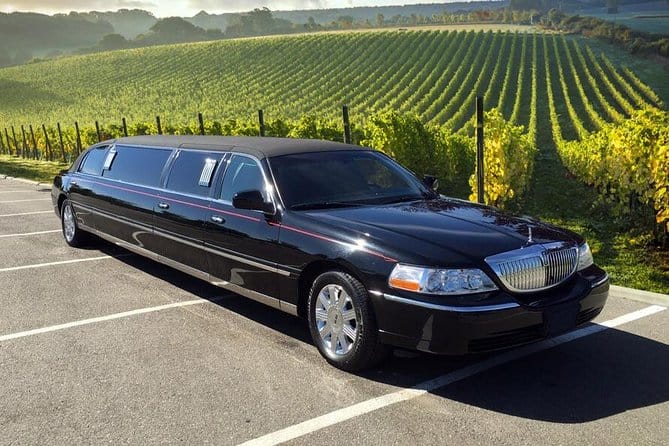
Here is an illustrative schedule for a full-day Napa Valley wine tour. The times are examples rather than confirmed winery appointments.
Example Full-Day Itinerary
9:00 a.m. — Pickup and departure
Meet your chauffeur at the agreed location. Confirm the first winery address and allow time to reach the appointment.
10:00 a.m. — First winery visit
Enjoy a tasting or guided winery experience. Allow around 90 minutes or longer if that is the duration offered by the winery.
11:30 a.m. — Travel to the next location
Leave sufficient time for the drive, arrival instructions, and check-in.
12:00 p.m. — Lunch break
Enjoy a relaxed meal and take time to rest before the next tasting. Adjust this time according to the restaurant reservation and travel distance.
1:30 p.m. — Second winery visit
Explore another winery or choose a different tasting experience. Avoid scheduling additional activities so tightly that a small delay affects the rest of the day.
3:00 p.m. — Travel and leisure time
Use this period for the next appointment if suitable, or keep it open for vineyard views, photographs, or a relaxed stop along the route.
3:30 p.m. — Optional third winery
Add a third tasting only if its confirmed duration, location, and availability work with the rest of the itinerary.
5:00 p.m. — Begin the return journey
Confirm the final destination and allow appropriate travel time. The return schedule should reflect the actual route and time of day.
This example illustrates why two or three well-spaced tastings are often more practical than a tightly packed itinerary.
7. Match the Wine Tour to Your Group
Different groups may want different experiences from Napa Valley.
Couples
Couples may prefer two or three wineries with enough time to explore each property, enjoy lunch, and take photographs.
A smaller schedule can provide greater flexibility if they discover a winery experience they would like to enjoy for longer.
Friends and Birthday Groups
Groups celebrating a birthday or another occasion should consider the number of passengers, the type of tastings, and how everyone will travel between locations.
Choose appointment times that are manageable for the whole group. Make sure the transportation arrangement accounts for the entire party rather than only the person organizing the trip.
Corporate Groups
A corporate outing may need a more structured schedule. Confirm the number of attendees, meeting point, dietary needs, arrival times, and the expected duration of each winery experience.
If colleagues are arriving from different locations, consider whether individual transfers or one coordinated pickup is more practical.
First-Time Napa Visitors
First-time visitors may benefit from selecting wineries with different styles of tasting experiences rather than trying to visit as many properties as possible.
For instance, the itinerary might include one guided introduction to winemaking followed by a more relaxed tasting experience. The precise combination depends on the wineries available and the interests of the group.
8. Arrange Transportation Before the Day of the Tour
Transportation is an essential part of wine tour planning because tasting appointments and travel times must fit together.

If the group plans to taste wine at several locations, designate a sober driver or arrange suitable professional transportation. Visitors should not drive after drinking.
When discussing a Napa wine tour with Napa Limo, provide the complete itinerary rather than only the first winery’s address.
Useful details include the pickup location, winery addresses, reservation times, expected passenger count, lunch stop, final destination, and any special requirements.
Ask how the reservation handles waiting time, additional stops, schedule changes, and extra hours.
These details help establish whether the proposed transportation arrangement fits the planned day.
9. Prepare a Backup Plan for Delays
Even carefully planned itineraries may need adjustments. A tasting may run longer than expected, road conditions may change, or the group may need additional time at lunch.
The best solution is not necessarily to rush the next appointment.
Instead, identify which parts of the itinerary are essential and which are flexible.
Before the tour, check cancellation or late-arrival policies for each winery. Save reservation confirmations and contact details so the organizer can communicate any changes.
If the itinerary is already full, removing an optional stop may be better than trying to make up lost time by rushing the rest of the day.
A schedule with some breathing room usually provides a more comfortable experience.
10. Make Responsible Wine Tour Planning a Priority
A Napa wine tour should include practical arrangements for food, water, transportation, and the group’s comfort.
Have a meal before or during the tour, drink water throughout the day, and follow the winery’s tasting guidance. Visitors can also use spittoons when appropriate rather than feeling obliged to finish every sample.

Arrange a designated driver or professional transportation before the first tasting. Never assume that feeling fine means it is safe to drive.
The Napa Valley Vintners visitor guide also recommends planning ahead, allowing time for wine experiences, eating well, drinking water, and organizing responsible transportation.
These simple preparations make it easier to focus on the wine, the surroundings, and the people you are traveling with.
Frequently Asked Questions
How many wineries should you visit in Napa Valley in one day?
For a relaxed full-day visit, two or three wineries are a practical starting point. Three or four may work when the experiences are shorter, locations are convenient, and the reservations allow enough travel time.
How long should you spend at each Napa winery?
The duration depends on the experience. Some guided or seated tastings take around 90 minutes or longer, while other experiences may have different schedules. Check the winery’s stated duration before booking.
Should I reserve Napa Valley wine tastings in advance?
Yes, advance reservations are recommended. Some wineries operate by appointment and have limited tasting times or guest capacity. Confirm each reservation before finalizing transportation.
Is it better to visit wineries in the same area?
Generally, choosing wineries in the same geographic area can reduce backtracking and give you more time for tastings. Check the actual routes before booking because convenient-looking locations may still require extra driving.
Should lunch be part of the wine tour itinerary?
Yes. Planning a proper meal gives the group time to relax and helps avoid a schedule that is too tightly packed. Choose a restaurant that fits between confirmed winery appointments.
Can a private chauffeur help with a Napa wine tour schedule?
A professional transportation provider can help coordinate pickup times, winery addresses, travel between appointments, and the return journey. Share the complete itinerary and confirm the booking terms before the tour.
Conclusion
Building a Napa wine tour schedule without rushing tastings starts with choosing a manageable number of wineries, confirming appointments, and planning realistic travel intervals.
For many visitors, two or three winery experiences, a comfortable lunch break, and a little flexibility provide a better starting point than attempting to cover the entire valley in one day.
Select wineries that fit your interests, confirm their tasting durations, and allow time for the journey between stops. With a clear itinerary and transportation arranged in advance, your group can spend more time enjoying Napa Valley and less time worrying about the next appointment.
Napa Limo can be considered as part of the transportation planning process for visitors organizing a private wine tour. Confirm the planned route, pickup details, service duration, and any additional stops before making a reservation.