How to Plan a Multi-Stop Wine Tour in Napa Valley, California
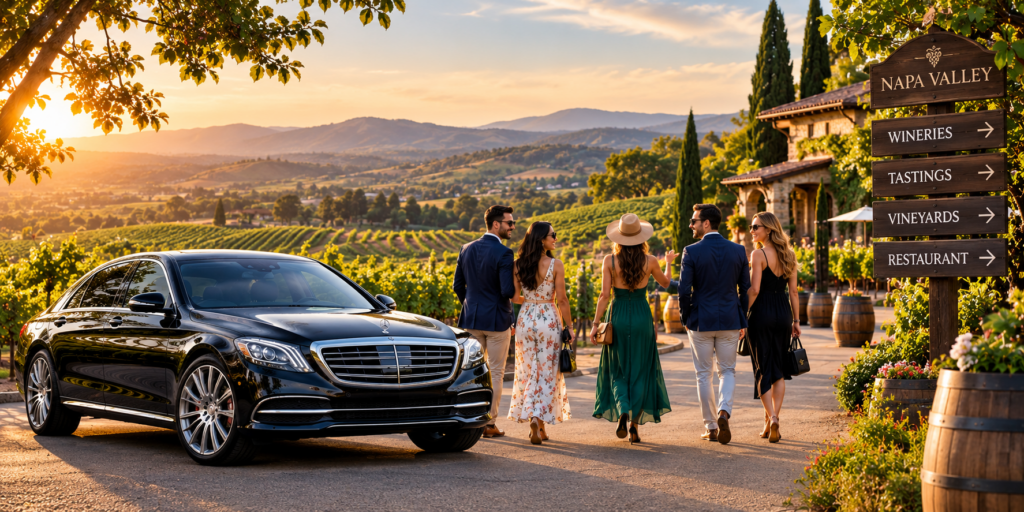
Napa Valley is known for its vineyards, wine tasting rooms, scenic countryside, and winery experiences. Visitors can spend a day exploring different wineries, learning about local wine production, enjoying vineyard views, and discovering the character of individual wine regions. However, visiting several locations in one day requires more planning than choosing a few tasting rooms from a map. A multi-stop wine tour involves coordinating winery reservations, travel time, tasting durations, meal breaks, and transportation between locations. Without a clear schedule, visitors may spend too much time driving, arrive late for reservations, or attempt to fit too many experiences into a single day. Planning ahead can make the trip more comfortable and help travelers enjoy each stop without rushing. This guide explains how to organize a multi-stop Napa Valley wine tour, select wineries, plan the route, and arrange transportation that fits the group’s needs. Why a Multi-Stop Wine Tour Needs a Clear Plan Napa Valley includes several wine-growing areas, with wineries and tasting experiences spread across different communities. Visitors may consider destinations around Napa, Yountville, Oakville, Rutherford, St. Helena, and Calistoga. Although these places are part of the same broader region, traveling between them takes time. Each winery also has its own visitor arrangements. Some offer seated tastings by reservation, while others provide guided tours, food pairings, vineyard walks, or educational experiences about winemaking. Trying to visit too many wineries can make the day feel rushed. A tasting appointment may last longer than expected, lunch can take time, and traffic or parking can affect the schedule. A useful wine tour plan should account for: The goal is not to visit the largest number of wineries. It is to create a realistic itinerary that allows time to enjoy each experience. 1. Decide What Kind of Wine Tour You Want Before choosing wineries, decide what the group wants from the day. Napa Valley offers different types of wine experiences, and the best itinerary depends on personal interests. Classic winery tastings A traditional tasting introduces visitors to a selection of wines. Staff may explain grape varieties, winemaking methods, aromas, and flavor characteristics. Some tastings are held at a bar, while others take place at a reserved table. Seated tasting experiences Seated tastings provide a more structured setting. Visitors can sit together while learning about the wines being served. These experiences may be suitable for groups that prefer a relaxed pace or want to spend more time discussing individual wines. Vineyard and winery tours Some wineries offer guided tours that explain grape growing, harvesting, fermentation, aging, and bottling. These experiences can be useful for visitors interested in the production process, not just tasting the finished wine. Food and wine pairings Food-pairing experiences explore how different foods interact with a wine’s acidity, sweetness, tannins, and other characteristics. Availability and reservation requirements vary by winery. Scenic and educational visits Some visitors prefer beautiful vineyard settings and opportunities to learn about the region’s history. Others want to explore specific grape varieties or compare wines from different parts of Napa Valley. Choose a primary theme before building the itinerary. This makes it easier to select stops that complement one another rather than choosing wineries at random. 2. Choose a Practical Number of Wineries One of the most common planning mistakes is scheduling too many wineries into a single day. The appropriate number depends on the length of each tasting, travel time, meal plans, and the group’s interests. A day with two substantial winery experiences may feel more rewarding than a rushed itinerary involving four or five stops. For a relaxed day, consider beginning with two or three planned winery visits. This gives the group time to enjoy the experiences and allows some flexibility if a reservation takes longer than expected. A simple itinerary could include: This is a planning example, not a guarantee that every winery can accommodate those times. Each venue’s reservation availability and tasting duration must be checked before the schedule is finalized. If the group wants a detailed vineyard tour or a food-pairing experience, allow additional time. These visits may involve more than a short tasting at a counter. A balanced itinerary should leave room to enjoy the wine, ask questions, take photographs where permitted, and move between locations without feeling hurried. 3. Organize Wineries by Location Route planning is one of the most important parts of a multi-stop wine tour. Selecting wineries close to one another can reduce unnecessary driving and give the group more time at each destination. Begin by marking the potential wineries on a map. Then compare their locations and identify a sensible order for the visits. For example, a tour might focus on wineries in the southern part of Napa Valley around Napa and Yountville. Another itinerary could explore the central valley around Oakville, Rutherford, and St. Helena. A longer trip might include Calistoga, but adding distant stops may require extra travel time. These areas offer different options, but individual wineries vary in location and access. Check the exact addresses rather than assuming that every winery in a named community is close to every other one. When planning the route, consider: Avoid planning a route that repeatedly crosses the valley. A geographically sensible sequence can make the day easier to manage. 4. Make Reservations Before Finalizing the Day Many wineries use reservations for tastings and tours. Some may accept walk-in visitors, but availability can vary by date, season, group size, and experience type. Contact each winery or check its official booking information before including it in the itinerary. Confirm the reservation time, tasting duration, number of guests, price, and cancellation policy. Also ask whether the winery has specific arrival instructions. Some experiences require guests to check in before the scheduled time, and late arrivals may affect the tasting. If the group includes several people, confirm that the winery can accommodate the full party. A venue may offer different reservation options for small groups and larger parties. Once the reservations are confirmed, arrange the route around those fixed times. This is
How to Compare Seated Wine Tastings, Bar Tastings, and Guided Winery Tours in Napa Valley

Planning a wine tour in Napa Valley involves more than choosing which wineries to visit. Visitors must also decide how they want to experience each winery. Some prefer a seated tasting with a host, others enjoy tasting at a counter, and some want a guided tour that explains how grapes are grown and wine is produced. Each experience offers a different balance of education, comfort, time, and interaction. Understanding these differences helps travelers build an itinerary that matches their interests, budget, and available schedule. Napa Valley has a diverse wine tourism landscape, with wineries offering structured tastings, vineyard visits, cellar experiences, and educational tours. Reservations, tasting formats, and visitor policies can vary by winery, so it is helpful to understand the options before finalizing a route. This guide compares seated wine tastings, bar tastings, and guided winery tours to help visitors plan a more organized Napa Valley wine experience. What Is a Seated Wine Tasting? A seated wine tasting is an appointment in which guests are generally assigned a table or designated seating area. A host may present several wines in a planned sequence and explain details about each selection. Depending on the winery, the experience may include information about grape varieties, winemaking methods, vineyard conditions, wine regions, and food pairings. A seated tasting often follows a set schedule, making it useful for visitors who prefer a structured experience instead of moving between different tasting areas. Benefits of seated tastings A more relaxed pace: Guests can remain in one place while the host introduces the wines. This can be helpful for couples, small groups, and visitors who prefer a quieter setting. More time for questions: A guided presentation may allow guests to ask about tasting notes, wine styles, production methods, and the winery’s approach. A planned selection: Some seated experiences feature a specific collection of wines or a themed flight, helping visitors compare different styles. A comfortable group setting: Seating can be convenient for multigenerational groups or visitors who want a break between stops. What should you check before booking? Not every seated tasting includes the same features. Before making a reservation, check the duration, number of wines, tasting fee, group size, and whether food is included. Ask whether the tasting is hosted privately or shared with other visitors. Some experiences may be more personalized than others. Also confirm the winery’s cancellation policy and arrival instructions. A late arrival may affect the experience or the time available for your appointment. What Is a Bar Tasting? A bar tasting typically takes place at a winery’s tasting counter or bar. Visitors stand or sit at the counter, depending on the venue, while a host or staff member introduces a selection of wines. This format can suit travelers who want a relatively straightforward introduction to a winery without committing to a longer tour. The exact experience depends on the property. Some tasting bars offer structured flights, while others provide a more conversational format. Benefits of bar tastings A flexible format: Bar tastings can be convenient when visitors want to explore several wine styles during a trip. Direct interaction with staff: Guests can ask questions about individual wines, grape varieties, and the winery’s offerings. A shorter visit may be possible: Some bar tastings take less time than a comprehensive winery tour, although the actual duration depends on the venue. Useful for comparing wines: A tasting flight may let visitors sample different varietals or blends in one session. What should you check before booking? Find out whether the winery accepts walk-ins or requires reservations. Do not assume that a bar tasting is automatically available without an appointment. Check the tasting fee, flight options, seating arrangements, and expected visit duration. Some wineries have limited tasting space or operate by appointment only. If anyone in your group prefers to sit, ask whether seating is available. A tasting bar can be less suitable for visitors who need a quieter or more accessible setting. What Is a Guided Winery Tour? A guided winery tour focuses on the place and process behind the wine, not just the wines in the glass. Depending on the winery, a tour may cover vineyards, grape growing, harvesting, fermentation, barrel aging, bottling, or cellar operations. The experience may conclude with a tasting or include tastings at several points during the visit. Guided tours vary considerably. Some focus on production facilities, while others emphasize vineyard landscapes, winery history, or the relationship between grape-growing conditions and wine characteristics. Benefits of guided winery tours A deeper understanding of winemaking: Visitors can learn how grapes become wine and how production decisions influence the finished product. More context for the tasting: Understanding fermentation, aging, and grape varieties can help guests interpret what they notice in the glass. A broader winery experience: A tour may include areas that are not part of a standard tasting appointment, depending on the property’s visitor policies. An educational activity: Guided tours can be particularly appealing to visitors who want to learn rather than focus only on sampling wines. What should you check before booking? Confirm the tour duration and whether a tasting is included. Ask which areas are visited and whether the route involves walking on uneven surfaces, stairs, or outdoor paths. Some tours may be affected by weather, vineyard conditions, or seasonal production activities. Visitors should check the winery’s current itinerary rather than assume every tour includes the same stops. Also consider the time required to travel from the previous winery and arrive before the tour begins. Comparing the Three Wine Tasting Formats The most suitable option depends on what visitors want from their day. Feature Seated tasting Bar tasting Guided winery tour Main focus Hosted wine experience Tasting selected wines Winemaking and winery context Typical setting Table or designated seating Tasting counter Winery grounds or production areas Pace Often structured Depends on the format Usually follows a planned route Learning opportunities Wine styles and tasting notes Wine introductions and questions Production, vineyards, and tasting Time commitment Varies by appointment May be shorter,
How to Plan a Wine Tour for Guests Who Prefer Non-Alcoholic Options

A wine tour in Napa Valley does not have to revolve entirely around drinking wine. Groups often include people with different preferences, dietary needs, and comfort levels. Some guests enjoy traditional wine tastings, while others prefer grape juice, sparkling water, non-alcoholic beverages, vineyard views, food experiences, or learning about how wine is produced. Planning a tour that accommodates these differences can help everyone enjoy the day together. With a little preparation, visitors can experience Napa Valley’s vineyards, scenery, hospitality, and culinary culture without making alcohol consumption the main focus of every activity. For hosts organizing a birthday outing, family trip, anniversary, corporate gathering, or private group excursion, the key is to select suitable experiences before reserving transportation and appointments. Napa Limo can be considered when arranging private transportation for a Napa Valley outing. A well-organized itinerary should account for the preferences of every guest, the locations of the planned stops, the available tasting experiences, and the time needed to travel between destinations. This guide explains how to plan a Napa wine tour for guests who prefer non-alcoholic options, what to ask wineries before booking, and how to create an inclusive itinerary. 1. Ask Guests About Their Preferences Before Booking The easiest way to plan an inclusive wine tour is to understand what the group wants to experience. Not every guest will have the same interests. Some may want to sample several wines, while others may be more interested in vineyard tours, winemaking demonstrations, scenic surroundings, or a relaxed lunch. Before making reservations, ask guests which activities interest them most. Consider questions such as: You do not need to ask guests to explain why they avoid alcohol. Their preferences are enough to help you make appropriate arrangements. Once you have a general idea of the group’s interests, choose experiences that offer something beyond sampling wine. This approach makes the tour more welcoming without dividing the group into separate itineraries. 2. Look for Wineries That Offer More Than Wine Tasting Napa Valley is known for its wine, but a winery visit can involve several activities besides tasting alcoholic beverages. Depending on the property and the experience booked, visitors may learn about vineyard management, grape varieties, wine production, barrel aging, or the history of the estate. Some locations may also offer gardens, scenic viewpoints, architecture, food experiences, or opportunities to explore the surrounding landscape. These activities can appeal to guests who do not drink alcohol. Winery Tours and Educational Experiences A guided tour can help visitors understand what happens between grape growing and the finished product. Guests may learn about grape harvesting, fermentation, aging, bottling, and the factors that influence the character of a wine. Ask the winery whether it offers an educational experience that can be enjoyed without participating in an alcoholic tasting. Not every winery provides the same tour format, so check the available options before booking. Vineyard Scenery and Outdoor Spaces For some visitors, part of the attraction of Napa Valley is its landscape. Vineyard rows, rolling hills, seasonal colors, gardens, and surrounding countryside can create an enjoyable setting for photographs and relaxed conversations. Before reserving an outdoor experience, ask about access, walking distances, weather considerations, and whether guests can enjoy the setting without purchasing an alcoholic tasting. Food-Focused Experiences Food may also be a central part of the itinerary. Depending on the winery or venue, guests may be able to arrange a meal, food pairing, picnic-style experience, or visit to a nearby restaurant. Confirm whether non-alcoholic beverages are available and whether food reservations are separate from the winery appointment. The most suitable activities will depend on the group’s budget, schedule, and interests. 3. Ask About Non-Alcoholic Beverage Options in Advance Do not assume that every winery automatically offers a dedicated non-alcoholic tasting menu. Availability varies by location, and some properties may offer only water or a limited selection of other beverages. Others may be able to accommodate non-drinking visitors through alternative arrangements. Contact the winery directly and explain that some guests will not be consuming alcohol. Useful questions include: Ask for confirmation before paying a deposit or finalizing the itinerary. This matters particularly when a group has reserved a private experience or a structured tasting appointment. Clear expectations help prevent confusion when the group arrives. Consider More Than One Beverage Option Water should be available throughout the outing, particularly during warm weather or when the group will be walking outdoors. Depending on the venue, guests may also appreciate sparkling water, soft drinks, non-alcoholic sparkling beverages, or other refreshments. Some wineries may offer non-alcoholic grape-based drinks, but availability should be confirmed rather than assumed. If a particular beverage is important to the group, ask whether it can be provided or whether bringing outside refreshments is permitted. 4. Choose Experiences That Everyone Can Enjoy Together An inclusive itinerary does not need to separate guests according to whether they drink alcohol. Instead, choose activities where people can participate together while making their own beverage choices. For example, the group might begin with a guided tour of a winery, continue with a tasting for guests who want one, and finish with a meal or scenic stop that everyone can enjoy. Non-drinking guests can participate in the educational portion of the tour without being expected to consume alcoholic beverages. Before booking, verify whether the winery allows guests who are not participating in a tasting to accompany the group. Some experiences may have specific admission rules or minimum charges. A shared itinerary can help everyone feel included while still respecting individual preferences. 5. Build a Realistic Napa Valley Tour Schedule The number of stops should depend on the total time available, the distance between locations, and the duration of each experience. Trying to visit too many wineries can make a half-day outing feel rushed. It can also reduce the time available for meals, sightseeing, and socializing. For many private group outings, two carefully selected stops may be more practical than trying to visit several properties in quick succession. Example Half-Day Itinerary The following schedule
How Many Wineries Fit into a Half-Day Napa Tour?

A half-day wine tour in Napa Valley can be a wonderful way to experience California wine country without committing an entire day to tasting appointments. However, the number of wineries you can visit depends on the length of each tasting, the distance between properties, your starting location, and how much time you want to spend enjoying each experience. Some visitors want to explore a single winery in detail, while others prefer to compare wines at two different properties. The key is to create an itinerary that fits the available time without turning the outing into a rushed sequence of appointments. For couples, small groups, business travelers, and visitors with limited time in Napa Valley, a carefully organized half-day tour can offer a balanced introduction to the region. When planning a private wine tour with Napa Limo, start with the wineries you most want to visit, confirm their appointment times, and then build your transportation schedule around those reservations. How Many Wineries Can You Visit in Half a Day? For most visitors, one or two wineries is a practical target for a half-day Napa wine tour. One winery allows more time for a guided experience, vineyard views, questions about winemaking, and a relaxed tasting. Two wineries may work well when the appointments are reasonably short, the properties are conveniently located, and the schedule includes sufficient travel time. Trying to visit three or four wineries during a short outing may leave little room for delays, food, or enjoying the surroundings. Visit Napa Valley recommends planning around two or three winery visits for a typical day, noting that many tasting experiences take at least 90 minutes before accounting for travel between locations. Its published guidance is available in the official Napa Valley wine-tasting tips. A half-day provides less time than a full-day itinerary, so visitors should adjust the number of appointments accordingly. One Winery: A Relaxed Experience Choosing one winery can be ideal when you want to understand the property’s wines, explore the grounds, or participate in a more detailed tasting. Some wineries offer seated experiences, educational tours, food pairings, or special tastings that take longer than a quick visit. A single appointment can also leave time for photographs, a leisurely lunch, or exploring a nearby town afterward. This option works particularly well for first-time visitors who would rather understand one winery’s approach than hurry between several locations. Two Wineries: A Balanced Half-Day Two wineries can provide variety without making the schedule unnecessarily complicated. For example, you might select one winery with a guided tasting and another with a shorter, confirmed appointment. This can provide two different experiences while leaving time for the journey between properties. The main requirement is to check the actual duration of each appointment before booking. Do not assume every tasting lasts the same amount of time. Three Wineries: Only When the Schedule Allows Three stops may be possible under some circumstances, but they are generally more appropriate when the appointments are short, the locations are close together, and the available tour window is generous. Before attempting three wineries, add together the confirmed tasting durations, driving time, arrival and departure transitions, and any meal or rest breaks. If that calculation leaves little room for unexpected delays, reduce the number of stops. What Counts as a Half-Day Wine Tour? The term half-day does not have one universal duration across every wine-tour provider. A booking might cover a morning or afternoon window, with the precise hours determined by the transportation company and itinerary. Before selecting wineries, establish the actual start and finish times of your reservation. For planning purposes, consider the following example of a five-hour outing. This is an illustrative schedule, not a confirmed tour package or winery reservation. Activity Example duration Pickup and travel to the first winery 30 minutes First tasting appointment 90 minutes Travel and transition to the next winery 25 minutes Second tasting appointment 90 minutes Return travel and drop-off 45 minutes Extra time for check-in or delays 40 minutes Total 5 hours This example demonstrates how quickly the available time can be used. Your actual schedule may require more travel time, particularly if the tour begins outside Napa Valley. A private tasting or winery tour may also last longer than 90 minutes. Calculate the complete journey before committing to a particular number of wineries. Choose Wineries Near Each Other Geography is one of the most important considerations when planning a short Napa wine tour. Napa Valley includes several towns and wine-growing areas, including Napa, Yountville, Oakville, Rutherford, St. Helena, and Calistoga. Visiting properties that fit naturally into one geographic area can reduce unnecessary driving. Option 1: Focus on Downtown Napa A tour focused on Napa may work for travelers who want to combine wine tasting with time in town. Depending on the selected properties, some tasting rooms and nearby dining options may allow a compact itinerary. However, do not assume all wineries are within walking distance or that every tasting room accepts walk-in visitors. Confirm each property’s location and reservation requirements before planning the route. Option 2: Explore Yountville and Nearby Areas Yountville can be worth considering for visitors interested in combining a winery appointment with dining or exploring the town. Choose the tasting locations first, then check how long it takes to travel between them. A short distance on a map does not necessarily mean that check-in and transportation will take only a few minutes. Option 3: Plan Around Oakville or Rutherford Travelers interested in particular wine styles or winery experiences may prefer to focus on the Oakville or Rutherford areas. This approach works best when the selected properties have compatible appointment times. Avoid choosing wineries solely because they are famous or appear close together online. The objective is to create a realistic route that suits your interests and available hours. To research tasting experiences and winery locations, use the official Napa Valley winery directory. How to Build Your Half-Day Napa Wine Tour Schedule A useful itinerary starts with confirmed appointments rather than
How to Build a Napa Wine Tour Schedule Without Rushing Tastings
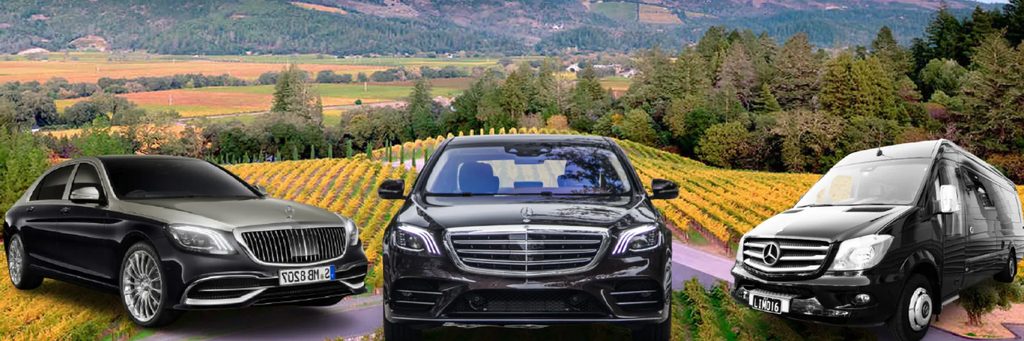
Planning a wine tour in Napa Valley is about more than choosing wineries. Visitors also need to consider tasting reservations, travel time, lunch breaks, vineyard locations, and the amount of time they want to spend at each stop. Without a realistic schedule, a relaxing day in wine country can quickly become a series of rushed appointments. A well-planned Napa wine tour allows visitors to enjoy each winery, learn about the wines, explore vineyard surroundings, and have enough time to travel comfortably between locations. Whether you are organizing a private outing with friends, a couples’ getaway, a birthday celebration, or a corporate gathering, building the right itinerary makes a significant difference. For travelers arranging transportation with Napa Limo, the most useful starting point is to plan the winery visits first and then organize the driving schedule around the confirmed appointments. This guide explains how to create a practical Napa Valley wine tour itinerary, how many wineries to visit in one day, how to account for travel time, and how to avoid common scheduling mistakes. 1. Start With Two or Three Winery Visits One of the easiest ways to make a Napa wine tour more enjoyable is to avoid scheduling too many tastings. For most visitors planning a relaxed full-day excursion, two or three wineries provide a sensible starting point. Napa Valley’s visitor guidance recommends limiting the itinerary because tasting experiences can take around 90 minutes or longer, with additional travel time between locations. The appropriate number depends on the type of tasting, the distance between wineries, and whether you plan to include lunch or a vineyard tour. For example, a guided winery visit may include an introduction to the vineyard, an explanation of the winemaking process, several wine samples, and time for questions. Rushing immediately to another appointment can prevent visitors from fully enjoying the experience. Before choosing your stops, review the official Visit Napa Valley wine-tasting tips. When Should You Visit More Wineries? Visiting three or four wineries may work when the appointments are relatively short, the locations are close together, and the wineries confirm that the schedule is feasible. However, it is better to enjoy three well-planned visits than to reserve five or six stops that leave little time for meals, travel, or unexpected delays. Start with the experiences you most want to enjoy, then add other stops only when the schedule allows. 2. Choose Wineries in the Same General Area Napa Valley includes several wine-growing areas and communities, including Napa, Yountville, Oakville, Rutherford, St. Helena, and Calistoga. Each offers different winery settings and tasting experiences. Although it can be tempting to select wineries based only on photographs or recommendations, the locations should also fit together geographically. A schedule with neighboring stops can reduce unnecessary driving and give visitors more time at the wineries. Plan Around Southern Napa Valley Visitors interested in beginning near the southern part of the valley can research wineries around Napa and Yountville. These areas can be useful starting points for an itinerary that gradually moves north, depending on the selected appointments. Explore Oakville and Rutherford Oakville and Rutherford provide another possible focus for visitors interested in vineyard visits and tasting experiences in the central valley. When selecting wineries in these areas, check the actual driving distance and access instructions rather than assuming that every nearby-looking property is only a few minutes away. Finish Near St. Helena or Calistoga Travelers who want to explore farther north can build their day around wineries near St. Helena or Calistoga. This may require a different departure time and a more careful review of the final return journey, particularly when the group is traveling back toward San Francisco or another Bay Area destination. You do not need to cover the entire valley in one day. Choose the area that best matches your interests and available time. 3. Reserve Tasting Appointments Before Finalizing the Itinerary Once you have shortlisted your wineries, check their reservation requirements and available tasting times. Some wineries offer scheduled seated tastings, guided tours, or food-pairing experiences. Others have different appointment lengths or limited daily availability. You should not assume that every tasting allows walk-ins or follows the same timetable. The official Napa Valley winery directory can help you research tasting locations and the experiences they offer. For each appointment, record: Keep the confirmation details together so that the transportation schedule can be built around the actual appointments. If a winery has a fixed start time, treat it as an important itinerary constraint rather than a flexible suggestion. 4. Add Travel Time Between Every Stop A common planning mistake is leaving only a few minutes between tastings because the wineries appear close on a map. The journey itself may be short, but visitors still need time to leave one property, reach the next location, park or unload, and check in for the reservation. Traffic, road conditions, winery entrances, and seasonal visitor activity can also affect arrival times. For each journey, estimate the travel time using a current map, then add a reasonable buffer. The appropriate buffer will depend on the route and appointment schedule. For example, a tasting that finishes at 12:00 p.m. should not automatically be followed by another appointment at 12:15 p.m. A more generous interval may be necessary for travel, restroom breaks, and check-in. Build the schedule using confirmed reservation times, not just the total number of miles. 5. Include a Proper Lunch Break Wine tours can involve several hours of tasting, walking, and driving. A meal break gives visitors time to relax and makes the itinerary feel less hurried. Choose a lunch location that fits naturally between winery appointments. You may prefer a restaurant near one of your scheduled stops or a place in a town along your route. When planning lunch, consider: Do not squeeze lunch into an unrealistically short window just to fit in another winery. If dining is an important part of your trip, build the day around the meal rather than treating it as an afterthought. 6. Build
Napa Valley Wine Tours Private: Explore Wineries Your Way
Napa Valley is one of California’s most recognized wine regions, known for its vineyards, tasting rooms, estate wineries, scenic roads, and long history of winemaking. A visit to Napa can be simple, such as stopping at a tasting room for a few wines, or it can become a carefully planned day involving several wineries, vineyard experiences, food pairings, and private transportation. For travelers who want a more personalized experience, Napa Valley wine tours private options provide a way to organize a wine-country day around a specific schedule. For families, corporate groups, wedding parties, friends, and other larger parties, Napa Valley group wine tours can make the day easier to coordinate. Another popular search is private wine tours Napa, which generally refers to customized experiences where a group can travel together and build a winery itinerary suited to its interests. Along with transportation and winery reservations, one of the most important questions travelers ask is, how much is a wine tasting? The answer depends on the winery, tasting format, wines included, food pairings, location, and level of the experience. According to Visit Napa Valley, a basic wine tasting averages about $40, while tasting fees can range from around $20 to $200 or more for elevated experiences. This guide explains how private and group wine tours work, what to expect at Napa wineries, how tasting fees are calculated, and how to build a comfortable Napa Valley itinerary. Understanding Napa Valley Wine Tours A Napa Valley wine tour is more than simply traveling from one winery to another. It can combine wine education, vineyard scenery, local history, food, architecture, and transportation into one day. Napa Valley includes several communities and wine-growing areas, including Napa, Yountville, Oakville, Rutherford, St. Helena, and Calistoga. Each area has its own collection of wineries, tasting rooms, restaurants, and attractions. Some visitors are interested in Cabernet Sauvignon and want to concentrate on wineries known for Cabernet-focused portfolios. Others prefer sparkling wine, Chardonnay, Pinot Noir, Sauvignon Blanc, or a combination of different styles. The purpose of planning a wine tour is therefore not necessarily to visit as many wineries as possible. A better approach is to select experiences that fit the group’s interests and allow enough time at each stop. Visit Napa Valley recommends planning approximately two or three winery visits in one day because many tasting experiences take at least 90 minutes when travel time is included. This is particularly important for private and group tours. What Are Napa Valley Wine Tours Private Experiences? Napa Valley wine tours private experiences are designed for a single party rather than a mixed group of unrelated travelers. For example, a private tour may be organized for: The main difference is flexibility. A private itinerary can be planned around the interests and schedule of the group. Instead of following a fixed public-tour schedule, travelers can discuss preferred winery styles, meal stops, tasting formats, and the amount of time they want to spend in different parts of Napa Valley. Benefits of a Private Wine Tour A private wine tour can offer several practical advantages. Personalized itinerary: The group can select wineries based on its interests. Private transportation: Everyone can travel together rather than arranging separate vehicles. Flexible schedule: The itinerary can be structured around reservations and meal times. Group privacy: Friends, family, or colleagues can spend the day together without sharing the vehicle with strangers. Better coordination: One itinerary makes it easier to keep track of winery reservations, lunch, departure times, and return transportation. Private touring can also be useful for visitors who have already been to Napa and want something different from a standard tourist itinerary. Private Wine Tours Napa: What Can Be Included? When researching private wine tours Napa, it is useful to understand what the tour itself includes and what may need to be paid separately. A private wine tour may involve: These components are not automatically included in every tour. Travelers should confirm the details before booking. For example, a transportation package may cover the vehicle and driver but not winery tasting fees. A winery experience may include several wines but charge separately for food pairings. A private tasting may also have a different price from a standard tasting-room flight. Understanding these differences helps travelers build a realistic budget. Napa Valley Group Wine Tours Napa Valley group wine tours are suitable for larger parties that want to explore wine country together. Group travel can be especially useful when several people are traveling for a wedding, reunion, corporate meeting, birthday, or special event. A group wine tour requires more planning than an individual visit because the itinerary must work for everyone. Important considerations include: Visit Napa Valley notes that some wineries can accommodate large groups and offer dedicated spaces and activities for group events. However, large groups should not assume that every tasting room accepts the same number of visitors. Winery policies can vary considerably. Why Group Size Matters The size of the group can influence almost every part of a wine tour. A group of four may be able to reserve a small tasting room experience without much difficulty. A group of 20 or more may need a larger winery, special reservation, private room, or designated group experience. The vehicle also matters. For example, a group traveling in separate cars may arrive at different times and need several designated drivers. A shared private vehicle can simplify the transportation side of the trip. Large groups should also communicate their arrival time clearly to wineries. Delays can affect tasting reservations and the rest of the day’s itinerary. How Much Is a Wine Tasting in Napa Valley? One of the most common questions from first-time visitors is, how much is a wine tasting? There is no single Napa Valley tasting price. Visit Napa Valley currently states that a basic Napa Valley wine tasting averages about $40, with options ranging approximately from $20 to $200 or more depending on the experience. This broad range exists because Napa wineries offer different types of experiences.
How to Plan the Best Napa Valley Group Wine Tour

Napa Valley is one of the most recognized wine regions in California and a popular destination for travelers who want to experience vineyards, wine tasting, scenic landscapes, and local food. From small groups of friends to organized wine enthusiast clubs, Napa offers many ways to plan a wine-focused trip. For travelers comparing the best value group travel packages for wine enthusiasts, the main question is not simply how much a tour costs. Value also depends on transportation, group size, tasting fees, itinerary flexibility, winery selection, travel time, and the overall experience. A well-planned group wine tour can make it easier to visit several wineries without worrying about driving between locations. This is particularly useful for groups interested in tasting wine at multiple properties during the same day. Napa Limo provides a transportation option for travelers considering private wine tours, group wine tours, winery visits, and special occasions in Napa Valley. This guide explains how group wine travel works, what affects the cost, what to consider when comparing packages, and how to plan a private wine experience. Understanding Napa Valley Wine Tours Napa Valley is home to numerous wineries and tasting rooms spread across communities such as Napa, Yountville, St. Helena, and Calistoga. Each area has its own character, and wineries may have different tasting formats, reservation requirements, and schedules. A traditional Napa wine tour may include visits to two, three, or more wineries in a single day. Depending on the itinerary, travelers may experience vineyard views, tasting rooms, wine education, cellar areas, and food pairings. For groups, transportation becomes an important part of the planning process. Rather than having different people drive separate vehicles, a group can travel together in a limousine, luxury SUV, passenger van, or another suitable vehicle. This is one reason Napa wine tours for large groups require more planning than an individual wine-tasting visit. The group needs to consider: Planning these details in advance can make the day easier to manage. Private Wine Tours Napa Valley: What Makes Them Different? Private wine tours Napa Valley experiences are designed for a specific group rather than a mixed group of unrelated travelers. This gives the travelers greater control over the itinerary. For example, a private group might choose to visit a combination of boutique wineries and larger estates. Another group may prefer a relaxed schedule with fewer tasting appointments and more time at each location. Private transportation can also make it easier to coordinate pickup and return times. Instead of meeting at a central departure point, travelers may arrange transportation from a hotel, vacation rental, residence, or another agreed location. A private itinerary may include areas such as: The best route depends on winery appointments and the group’s interests. Private Wine Tasting Napa: What Should You Expect? A private wine tasting Napa experience generally offers a more focused setting than a busy public tasting environment. Some wineries offer private tasting rooms, seated tastings, reserve wine experiences, vineyard tours, or food-and-wine pairings. The exact experience varies by winery. Some may focus on Cabernet Sauvignon, while others specialize in Chardonnay, Pinot Noir, sparkling wine, or Rhône-style varieties. Travelers should check tasting policies before building an itinerary. Some wineries require advance reservations, while others may have limited availability for large parties. It is also important to understand what the tasting fee covers. A tasting fee may include several wine samples, a seated presentation, a vineyard experience, or a food pairing. Prices vary widely depending on the winery and tasting format. How Much Is a Wine Tasting? One of the most common questions from visitors is, how much is a wine tasting? There is no single price for Napa Valley wine tasting. Fees depend on the winery, tasting level, number of wines, location, and whether the experience includes food or a private host. Basic tasting experiences can be relatively affordable, while premium or private experiences may cost significantly more per person. For a group trip, tasting fees should be included in the overall travel budget rather than treated as an unexpected expense. For example, a group’s estimated budget could include: Because winery prices and policies can change, travelers should confirm current fees directly with each winery before finalizing a 2025 itinerary. Best Value Group Travel Packages for Wine Enthusiast Clubs Wine enthusiast clubs often have different needs from casual groups. Members may already have knowledge of wine and may be more interested in the production process, vineyard conditions, grape varieties, and winery history. For these travelers, the best value group travel packages for wine enthusiast clubs should focus on the quality and relevance of the itinerary rather than simply maximizing the number of winery stops. A group could spend less time rushing between locations and more time experiencing selected wineries. For example, an itinerary might include: Morning:Pickup from a Napa Valley hotel and travel to the first winery. Late morning:Seated tasting and vineyard discussion. Lunch:A meal at a local restaurant or winery-approved location. Afternoon:Two additional winery appointments. Late afternoon:Return transportation through Napa Valley. This type of schedule can provide a balance between wine education, sightseeing, food, and relaxation. Wine clubs should also consider the interests of their members before selecting wineries. A group interested in Cabernet Sauvignon may want a different itinerary from a group focused on sparkling wines or organic and sustainable production. Napa Wine Tours for Large Groups Planning Napa wine tours for large groups requires careful coordination. Large groups may have fewer winery options because some tasting rooms have strict capacity limits. A winery that can easily accommodate six people may not be able to host 15, 20, or more guests at the same time. For this reason, group size should be confirmed before making reservations. Transportation should also match the number of passengers. A vehicle that is comfortable for eight travelers may not be appropriate for a much larger group. Depending on the party size, transportation could involve: The objective is to select a vehicle that provides sufficient seating and luggage or personal-item space while fitting the
Napa Valley Wine Tour Packages Explained: Costs, Tasting Fees & Travel Tips

When planning a trip to California Wine Country, one of the first questions many travelers ask is, “How much do Napa Valley wine tours cost?” Understanding the average cost of wine tours, winery tasting fees, and transportation options helps visitors create a realistic budget before traveling. Napa Valley is one of the world’s most famous wine destinations. Every year, millions of visitors explore its scenic vineyards, luxury wineries, historic estates, and charming towns. Whether you are visiting for a romantic getaway, family vacation, corporate outing, or weekend escape, knowing what to expect financially makes the experience much smoother. This guide explains everything about Napa Valley wine tours cost, wine tasting cost, Napa Valley wine tour packages, wine tours Napa Valley packages, and answers the common question, “Where is Wine Country California?” Throughout this article, the company Napa Limo is referenced as a transportation provider while keeping the focus on providing educational and useful information rather than promotional content. Where Is Wine Country California? California Wine Country generally refers to the northern part of California where wine grapes are grown on a large scale. The two best-known wine regions are: Together, these regions produce some of America’s highest-rated wines. Visitors also explore nearby wine regions such as: Among them, Napa Valley remains the most recognized destination due to its award-winning wineries, luxury resorts, gourmet restaurants, and beautiful vineyard landscapes. Located approximately one hour north of San Francisco, Napa Valley stretches for about 30 miles and includes several well-known towns such as: Each area offers unique tasting experiences, local restaurants, boutique hotels, and vineyard tours. Why Napa Valley Is Famous Worldwide Napa Valley has earned an international reputation because of its ideal climate, fertile soil, and centuries of winemaking tradition. The region is particularly known for producing: Many wineries have received global recognition for producing premium wines that consistently rank among the world’s best. Besides wine, Napa Valley is known for: These attractions make Napa Valley one of California’s most visited travel destinations. Understanding Napa Valley Wine Tours Cost One of the biggest factors when planning a wine country vacation is understanding the overall tour cost. The total price usually includes several services rather than just transportation. Typical wine tour expenses include: Depending on the itinerary, wine tour prices can vary significantly. Average Napa Valley Wine Tour Costs Tour Type Estimated Cost Self-guided wine tour $50–$200+ Group wine tour $125–$250 per person Small group tour $175–$350 per person Private wine tour $500–$1,500+ Luxury chauffeur wine tour Depends on vehicle, duration, and itinerary These figures vary depending on: What Affects Napa Valley Wine Tour Prices? Several factors influence the total cost of a wine tour. 1. Number of Wineries Some tours include: Others include: Premium tours may include: The more wineries included, the higher the overall price. 2. Tour Length Wine tours are available in different durations. Common options include: Longer tours generally cost more because of increased transportation time. 3. Transportation Transportation is one of the largest expenses. Visitors often choose: Companies like Napa Limo provide chauffeur-driven transportation, allowing guests to visit multiple wineries without worrying about driving or parking. 4. Group Size Prices change depending on the number of travelers. Examples include: Larger groups often split transportation costs, making private tours more affordable per person. 5. Winery Selection Every winery has different pricing. Boutique wineries may charge one fee. Luxury estates often charge significantly higher tasting fees because they include: Wine Tasting Cost Explained Many visitors assume wine tastings are free. Years ago, complimentary tastings were common. Today, most Napa Valley wineries charge tasting fees. The average wine tasting cost depends on several factors: Typical tasting fees include: Basic tasting: $25–$45 Premium tasting: $50–$90 Reserve tasting: $100–$200+ Private tasting experiences may exceed several hundred dollars depending on the winery. Napa Winery Tasting Fee: What Does It Include? When paying a winery tasting fee, guests typically receive: Premium experiences may also include: Are Napa Winery Tasting Fees Refundable? Many wineries apply tasting fees toward bottle purchases. For example: If guests purchase a certain number of bottles, the winery may waive part or all of the tasting fee. Policies differ from one winery to another. Visitors should check each winery’s reservation page before booking. Wine Tours Napa Valley Packages Wine tour packages combine several services into one booking. Instead of arranging transportation, reservations, and winery visits separately, many travelers choose complete packages. A typical package may include: Some packages also include lunch stops or restaurant reservations. Napa Valley Wine Tour Packages Not every wine tour package offers the same experience. Visitors can choose from different styles depending on their interests and budget. Common package types include: Classic Wine Tour Usually includes: Ideal for first-time visitors. Private Wine Tour Designed for: Benefits include: Luxury Wine Tour Luxury experiences may include: These tours generally have higher overall costs due to exclusive winery access and premium services. Custom Wine Tour Custom packages allow guests to: This option offers greater flexibility compared to fixed itineraries. Popular Napa Valley Towns Included in Wine Tours Many wine tour packages travel through several well-known communities, each offering a distinct atmosphere and selection of wineries. Napa serves as the gateway to the valley, featuring tasting rooms, restaurants, and cultural attractions. Yountville is known for fine dining and boutique wineries. Oakville and Rutherford are celebrated for world-class Cabernet Sauvignon vineyards. St. Helena combines historic wineries with charming shopping areas, while Calistoga is famous for hot springs, spa resorts, and relaxed wine tasting experiences. Exploring multiple towns allows visitors to experience the diversity of Napa Valley’s wine culture, scenery, and hospitality. Planning Your Wine Tour Budget Creating a budget before your trip helps avoid unexpected expenses. Consider costs for transportation, tasting fees, meals, gratuities, and any wine purchases you may want to make. Booking reservations in advance, traveling with a group to share transportation costs, and selecting wineries that match your budget can all help make your visit more enjoyable and cost-effective. Comparing Napa Wine Tour Packages Choosing the right wine tour
Town Limo Service Napa CA – Professional Wine Country Transportation and Chauffeur Services

Transportation plays an important role in the travel and tourism experience across California’s wine regions. In Napa Valley, visitors often look for comfortable and reliable transportation while exploring vineyards, restaurants, resorts, tasting rooms, and event venues. Professional limousine and chauffeur services help travelers move safely and efficiently through Wine Country while enjoying a relaxed experience. Napa Limo provides professional town limo service in Napa, CA, offering transportation solutions for visitors, local residents, corporate travelers, couples, groups, and event attendees. From airport transfers and wine tours to executive transportation and special event travel, professional car services support both convenience and comfort throughout Napa Valley. As one of the most recognized wine destinations in the United States, Napa Valley attracts travelers from around the world. The area includes luxury resorts, wineries, fine dining establishments, wellness retreats, wedding venues, and scenic routes. Reliable transportation services are often essential for navigating the region efficiently. This guide explains the importance of town limo service in Napa, wine country car service options, and professional chauffeur services in Napa, CA while highlighting transportation trends, benefits, planning considerations, and travel experiences throughout Wine Country. Understanding Transportation Needs in Napa Valley Napa Valley is known for its scenic vineyards, rolling hills, luxury hotels, and wine tourism industry. While the region offers beautiful experiences, transportation can become challenging for visitors unfamiliar with local roads, winery locations, or event schedules. Professional transportation services help simplify travel by providing: Town limo services are commonly used for wine tasting tours, business travel, weddings, anniversaries, corporate retreats, and leisure tourism. Town Limo Service Napa – A Practical Transportation Solution Town limo service in Napa provides a combination of convenience, professionalism, and comfort for travelers exploring Napa Valley and nearby areas. Unlike traditional taxi services or rideshare options, limousine transportation often includes scheduled pickups, professional chauffeurs, luxury vehicles, and personalized travel experiences. Travelers may use limousine services for: Napa Limo supports a variety of transportation needs throughout Napa County and surrounding Wine Country regions. The Growing Popularity of Wine Country Car Service Wine Country tourism continues to grow throughout Northern California. Visitors often prefer professional car services because they allow travelers to focus on the experience rather than driving, navigation, or parking. Wine country car service is commonly associated with: Many travelers choose chauffeur services when visiting wineries because tasting events may involve multiple stops across different locations. Professional transportation helps guests travel safely while enjoying wine tasting experiences responsibly. Exploring Napa Valley with Professional Chauffeur Services Chauffeur services in Napa, CA are designed to provide organized and professional transportation for both residents and visitors. Chauffeurs typically manage navigation, scheduling, pickup coordination, luggage assistance, and customer support throughout the journey. Professional chauffeur services may include: Experienced chauffeurs often understand local traffic conditions, winery appointment schedules, and regional travel routes throughout Napa Valley and Sonoma County. Transportation Options Available in Napa Valley Napa Limo offers multiple vehicle options depending on the travel occasion, passenger count, and itinerary requirements. Executive Sedans Executive sedans are commonly used for airport transportation, business meetings, private travel, and couples visiting Wine Country. Benefits include: Luxury SUVs SUV transportation provides additional space for groups, luggage, and wine tour travel. SUV services are frequently selected for: Stretch Limousines Stretch limousines remain popular for weddings, anniversaries, celebrations, and special occasions. Features may include: Sprinter Vans Sprinter vans are practical for group wine tours and event transportation throughout Napa Valley. They support: Napa Valley Wine Tours and Transportation Wine tourism is one of the main reasons travelers visit Napa Valley. The region is home to hundreds of wineries and vineyards offering tasting experiences, private tours, vineyard walks, food pairings, and luxury hospitality services. Transportation services help visitors travel between wineries safely and efficiently. Popular wine tour experiences may include visits to: Professional transportation supports flexible itineraries and customized travel schedules throughout Wine Country. Safety and Wine Country Transportation Safety is one of the primary reasons travelers use professional chauffeur services in Napa, CA. Wine tasting tours may involve multiple winery visits throughout the day, making designated transportation an important part of responsible travel planning. Professional transportation services help reduce concerns related to: Chauffeur-driven transportation allows visitors to focus on enjoying the experience while maintaining safe travel arrangements. Airport Transportation Services in Napa Valley Many visitors arrive in Northern California through nearby airports before traveling to Napa Valley. Airport transportation services help simplify the arrival and departure process. Napa Limo provides transportation connections for travelers using: Airport car services are commonly used by: Professional airport transportation can help reduce stress associated with luggage handling, navigation, rental vehicles, and scheduling. Corporate Transportation in Napa Valley Napa Valley also hosts corporate events, executive retreats, conferences, and business meetings. Professional transportation services support organized travel for business professionals and corporate groups. Corporate transportation services may include: Professional chauffeur services help businesses maintain efficient travel schedules and organized transportation logistics. Wedding Transportation Services in Napa Napa Valley has become a popular destination for weddings and private celebrations due to its vineyards, scenic landscapes, luxury resorts, and outdoor venues. Wedding transportation services may include: Professional transportation planning can help improve scheduling coordination during wedding events. Tourism and Hospitality in Napa Valley The hospitality industry in Napa Valley continues to evolve with luxury accommodations, wellness tourism, culinary experiences, and vineyard tourism attracting visitors year-round. Transportation services often support tourism activities involving: Travelers frequently combine limousine services with personalized itineraries to create efficient and comfortable travel experiences. Downtown Napa Transportation Downtown Napa has developed into a major destination for dining, entertainment, shopping, and nightlife. Visitors often seek transportation services for convenient travel between hotels, restaurants, tasting rooms, and event venues. Downtown transportation services help travelers access: Professional chauffeurs often assist travelers with local recommendations, navigation, and timely transportation scheduling. Benefits of Chauffeur Services in Napa CA Professional chauffeur services offer several advantages beyond traditional transportation methods. Local Knowledge Experienced chauffeurs understand local routes, winery locations, and traffic conditions throughout Napa Valley. Reliable Scheduling Pre-arranged transportation helps reduce delays and scheduling confusion. Comfortable
Napa Limousine Service: Comfortable and Reliable Luxury Transportation in Napa Valley

When people think about luxury travel in Napa, they often imagine beautiful vineyards, fine dining, scenic roads, and elegant experiences. Transportation plays a major role in making every trip smooth and enjoyable. A professional napa limousine service offers travelers a dependable and comfortable way to move around the region while enjoying convenience, privacy, and style. Whether visitors are planning a wine tasting tour, airport transportation, corporate travel, wedding transportation, or a private event, choosing a reliable transportation company can improve the overall experience. Napa Valley attracts tourists from around the world, and luxury ground transportation has become an important part of modern travel in the area. This guide explains the benefits of hiring a napa limousine, the types of services available, popular travel occasions, vehicle options, and what travelers should consider before booking a professional limousine service. Understanding Napa Limousine Services A napa limousine service provides luxury transportation solutions for residents, tourists, corporate travelers, and groups visiting Napa Valley and nearby destinations. These services are designed to deliver convenience, punctuality, and comfort while reducing the stress of driving, parking, or navigating unfamiliar roads. Professional limo companies typically offer: Companies like Napa Limo help travelers enjoy premium transportation experiences with professional chauffeurs and modern luxury vehicles. Why Travelers Choose a Napa Limousine Luxury transportation is not only about appearance. Many travelers choose limousine services because they provide practical advantages that improve comfort and safety. Comfortable Travel Experience Luxury sedans, stretch limousines, and SUVs provide spacious seating, climate control, and premium interiors. Long drives between wineries and hotels become more relaxing and enjoyable. Professional Chauffeurs Experienced chauffeurs understand local roads, traffic conditions, and winery routes throughout Napa Valley. Professional drivers focus on safe transportation while guests enjoy their trip. Stress-Free Transportation Driving through unfamiliar areas can be tiring, especially during busy tourism seasons. A professional napa limousine service removes concerns related to parking, navigation, and traffic. Reliable Scheduling Professional transportation companies focus on punctuality. Whether travelers need airport pickup or transportation for a scheduled wine tasting appointment, timely service is essential. Safe Wine Tours Wine tasting is one of the most popular activities in Napa Valley. Hiring a chauffeur allows guests to enjoy wine tours responsibly without worrying about driving afterward. Popular Napa Limousine Services Different travelers require different transportation solutions. A professional limousine company usually offers multiple services to meet various travel needs. Wine Tour Transportation in Napa Valley Wine tourism is one of the biggest reasons visitors travel to Napa Valley. A private limousine allows guests to visit multiple wineries while enjoying a personalized experience. Popular wine tour destinations may include: Wine tour limousine services often include: Travelers frequently prefer SUVs or executive sprinter vans for wine tours because they provide extra comfort and space for groups. Airport Limousine Service Airport transportation is another major reason travelers hire Napa limousine services. Many visitors fly into nearby airports before traveling to Napa Valley. Common airport transportation routes include: Airport limousine services provide: Business travelers and tourists often choose executive sedans or luxury SUVs for airport transfers because they combine efficiency with comfort. Corporate Transportation Services Corporate transportation requires professionalism, punctuality, and privacy. Companies visiting Napa Valley for meetings, retreats, or conferences often rely on luxury transportation providers. Corporate limousine services may include: Professional chauffeurs help business travelers maintain schedules while traveling comfortably between destinations. Wedding Limousine Services Napa Valley is a well-known wedding destination because of its vineyards, luxury resorts, and scenic landscapes. Wedding transportation plays an important role in managing schedules and guest movement. Wedding limousine services often include: Popular wedding venues in Napa Valley include: Luxury limousines and black car services add elegance and convenience to wedding celebrations. Special Event Transportation Many people use napa limousine services for private celebrations and special occasions. Luxury transportation helps groups travel together while enjoying a comfortable environment. Special event limousine services may include: Professional transportation planning can help events remain organized and stress-free. Vehicle Options Offered by Napa Limousine Companies Luxury transportation providers typically maintain diverse fleets to accommodate different travel needs and group sizes. Luxury Sedans Luxury sedans are ideal for: These vehicles provide privacy, comfort, and professional styling. SUVs Luxury SUVs are popular because they offer: SUVs work well for wine tours and family travel. Stretch Limousines Stretch limousines remain a classic option for: These vehicles offer luxury seating, entertainment features, and elegant interiors. Sprinter Vans Executive sprinter vans are frequently used for: They provide spacious seating and modern amenities for larger groups. Party Buses Party buses are designed for entertainment-focused travel experiences and group celebrations. The Importance of Professional Chauffeurs Professional chauffeurs are one of the most valuable parts of a luxury transportation service. A skilled chauffeur contributes to safety, punctuality, and customer satisfaction. Key qualities of professional chauffeurs include: Travelers often appreciate chauffeurs who understand winery locations, traffic patterns, and event scheduling throughout Napa Valley. Exploring Napa Valley with Luxury Transportation Napa Valley offers much more than wineries. Visitors can explore scenic destinations, restaurants, resorts, and cultural attractions while traveling comfortably with private transportation. Popular attractions include: A limousine service allows travelers to enjoy scenic routes without focusing on navigation or parking. Benefits of Booking a Private Napa Limousine Service Private transportation offers several advantages compared to rideshare services or rental vehicles. Personalized Travel Private limousine services allow customized schedules and travel plans based on guest preferences. Privacy Business travelers, couples, and families often value the privacy offered by luxury transportation. Clean and Maintained Vehicles Professional limo companies regularly maintain and sanitize their vehicles to ensure passenger comfort and safety. Better Group Coordination Large groups can travel together more efficiently with professional transportation planning. Local Knowledge Experienced chauffeurs may recommend restaurants, wineries, and scenic locations based on traveler interests. Napa Valley Tourism and Luxury Transportation Tourism continues to support the growth of luxury transportation in Napa Valley. Visitors frequently look for high-quality travel experiences that combine comfort and convenience. Luxury transportation has become an important part of hospitality services in the region. Hotels, wineries, and resorts often