How to Plan a Wine Tour for Guests Who Prefer Non-Alcoholic Options
A wine tour in Napa Valley does not have to revolve entirely around drinking wine. Groups often include people with different preferences, dietary needs, and comfort levels. Some guests enjoy traditional wine tastings, while others prefer grape juice, sparkling water, non-alcoholic beverages, vineyard views, food experiences, or learning about how wine is produced. Planning a tour that accommodates these differences can help everyone enjoy the day together. With a little preparation, visitors can experience Napa Valley’s vineyards, scenery, hospitality, and culinary culture without making alcohol consumption the main focus of every activity. For hosts organizing a birthday outing, family trip, anniversary, corporate gathering, or private group excursion, the key is to select suitable experiences before reserving transportation and appointments. Napa Limo can be considered when arranging private transportation for a Napa Valley outing. A well-organized itinerary should account for the preferences of every guest, the locations of the planned stops, the available tasting experiences, and the time needed to travel between destinations. This guide explains how to plan a Napa wine tour for guests who prefer non-alcoholic options, what to ask wineries before booking, and how to create an inclusive itinerary. 1. Ask Guests About Their Preferences Before Booking The easiest way to plan an inclusive wine tour is to understand what the group wants to experience. Not every guest will have the same interests. Some may want to sample several wines, while others may be more interested in vineyard tours, winemaking demonstrations, scenic surroundings, or a relaxed lunch. Before making reservations, ask guests which activities interest them most. Consider questions such as: You do not need to ask guests to explain why they avoid alcohol. Their preferences are enough to help you make appropriate arrangements. Once you have a general idea of the group’s interests, choose experiences that offer something beyond sampling wine. This approach makes the tour more welcoming without dividing the group into separate itineraries. 2. Look for Wineries That Offer More Than Wine Tasting Napa Valley is known for its wine, but a winery visit can involve several activities besides tasting alcoholic beverages. Depending on the property and the experience booked, visitors may learn about vineyard management, grape varieties, wine production, barrel aging, or the history of the estate. Some locations may also offer gardens, scenic viewpoints, architecture, food experiences, or opportunities to explore the surrounding landscape. These activities can appeal to guests who do not drink alcohol. Winery Tours and Educational Experiences A guided tour can help visitors understand what happens between grape growing and the finished product. Guests may learn about grape harvesting, fermentation, aging, bottling, and the factors that influence the character of a wine. Ask the winery whether it offers an educational experience that can be enjoyed without participating in an alcoholic tasting. Not every winery provides the same tour format, so check the available options before booking. Vineyard Scenery and Outdoor Spaces For some visitors, part of the attraction of Napa Valley is its landscape. Vineyard rows, rolling hills, seasonal colors, gardens, and surrounding countryside can create an enjoyable setting for photographs and relaxed conversations. Before reserving an outdoor experience, ask about access, walking distances, weather considerations, and whether guests can enjoy the setting without purchasing an alcoholic tasting. Food-Focused Experiences Food may also be a central part of the itinerary. Depending on the winery or venue, guests may be able to arrange a meal, food pairing, picnic-style experience, or visit to a nearby restaurant. Confirm whether non-alcoholic beverages are available and whether food reservations are separate from the winery appointment. The most suitable activities will depend on the group’s budget, schedule, and interests. 3. Ask About Non-Alcoholic Beverage Options in Advance Do not assume that every winery automatically offers a dedicated non-alcoholic tasting menu. Availability varies by location, and some properties may offer only water or a limited selection of other beverages. Others may be able to accommodate non-drinking visitors through alternative arrangements. Contact the winery directly and explain that some guests will not be consuming alcohol. Useful questions include: Ask for confirmation before paying a deposit or finalizing the itinerary. This matters particularly when a group has reserved a private experience or a structured tasting appointment. Clear expectations help prevent confusion when the group arrives. Consider More Than One Beverage Option Water should be available throughout the outing, particularly during warm weather or when the group will be walking outdoors. Depending on the venue, guests may also appreciate sparkling water, soft drinks, non-alcoholic sparkling beverages, or other refreshments. Some wineries may offer non-alcoholic grape-based drinks, but availability should be confirmed rather than assumed. If a particular beverage is important to the group, ask whether it can be provided or whether bringing outside refreshments is permitted. 4. Choose Experiences That Everyone Can Enjoy Together An inclusive itinerary does not need to separate guests according to whether they drink alcohol. Instead, choose activities where people can participate together while making their own beverage choices. For example, the group might begin with a guided tour of a winery, continue with a tasting for guests who want one, and finish with a meal or scenic stop that everyone can enjoy. Non-drinking guests can participate in the educational portion of the tour without being expected to consume alcoholic beverages. Before booking, verify whether the winery allows guests who are not participating in a tasting to accompany the group. Some experiences may have specific admission rules or minimum charges. A shared itinerary can help everyone feel included while still respecting individual preferences. 5. Build a Realistic Napa Valley Tour Schedule The number of stops should depend on the total time available, the distance between locations, and the duration of each experience. Trying to visit too many wineries can make a half-day outing feel rushed. It can also reduce the time available for meals, sightseeing, and socializing. For many private group outings, two carefully selected stops may be more practical than trying to visit several properties in quick succession. Example Half-Day Itinerary The following schedule
How to Build a Napa Wine Tour Schedule Without Rushing Tastings
Planning a wine tour in Napa Valley is about more than choosing wineries. Visitors also need to consider tasting reservations, travel time, lunch breaks, vineyard locations, and the amount of time they want to spend at each stop. Without a realistic schedule, a relaxing day in wine country can quickly become a series of rushed appointments. A well-planned Napa wine tour allows visitors to enjoy each winery, learn about the wines, explore vineyard surroundings, and have enough time to travel comfortably between locations. Whether you are organizing a private outing with friends, a couples’ getaway, a birthday celebration, or a corporate gathering, building the right itinerary makes a significant difference. For travelers arranging transportation with Napa Limo, the most useful starting point is to plan the winery visits first and then organize the driving schedule around the confirmed appointments. This guide explains how to create a practical Napa Valley wine tour itinerary, how many wineries to visit in one day, how to account for travel time, and how to avoid common scheduling mistakes. 1. Start With Two or Three Winery Visits One of the easiest ways to make a Napa wine tour more enjoyable is to avoid scheduling too many tastings. For most visitors planning a relaxed full-day excursion, two or three wineries provide a sensible starting point. Napa Valley’s visitor guidance recommends limiting the itinerary because tasting experiences can take around 90 minutes or longer, with additional travel time between locations. The appropriate number depends on the type of tasting, the distance between wineries, and whether you plan to include lunch or a vineyard tour. For example, a guided winery visit may include an introduction to the vineyard, an explanation of the winemaking process, several wine samples, and time for questions. Rushing immediately to another appointment can prevent visitors from fully enjoying the experience. Before choosing your stops, review the official Visit Napa Valley wine-tasting tips. When Should You Visit More Wineries? Visiting three or four wineries may work when the appointments are relatively short, the locations are close together, and the wineries confirm that the schedule is feasible. However, it is better to enjoy three well-planned visits than to reserve five or six stops that leave little time for meals, travel, or unexpected delays. Start with the experiences you most want to enjoy, then add other stops only when the schedule allows. 2. Choose Wineries in the Same General Area Napa Valley includes several wine-growing areas and communities, including Napa, Yountville, Oakville, Rutherford, St. Helena, and Calistoga. Each offers different winery settings and tasting experiences. Although it can be tempting to select wineries based only on photographs or recommendations, the locations should also fit together geographically. A schedule with neighboring stops can reduce unnecessary driving and give visitors more time at the wineries. Plan Around Southern Napa Valley Visitors interested in beginning near the southern part of the valley can research wineries around Napa and Yountville. These areas can be useful starting points for an itinerary that gradually moves north, depending on the selected appointments. Explore Oakville and Rutherford Oakville and Rutherford provide another possible focus for visitors interested in vineyard visits and tasting experiences in the central valley. When selecting wineries in these areas, check the actual driving distance and access instructions rather than assuming that every nearby-looking property is only a few minutes away. Finish Near St. Helena or Calistoga Travelers who want to explore farther north can build their day around wineries near St. Helena or Calistoga. This may require a different departure time and a more careful review of the final return journey, particularly when the group is traveling back toward San Francisco or another Bay Area destination. You do not need to cover the entire valley in one day. Choose the area that best matches your interests and available time. 3. Reserve Tasting Appointments Before Finalizing the Itinerary Once you have shortlisted your wineries, check their reservation requirements and available tasting times. Some wineries offer scheduled seated tastings, guided tours, or food-pairing experiences. Others have different appointment lengths or limited daily availability. You should not assume that every tasting allows walk-ins or follows the same timetable. The official Napa Valley winery directory can help you research tasting locations and the experiences they offer. For each appointment, record: Keep the confirmation details together so that the transportation schedule can be built around the actual appointments. If a winery has a fixed start time, treat it as an important itinerary constraint rather than a flexible suggestion. 4. Add Travel Time Between Every Stop A common planning mistake is leaving only a few minutes between tastings because the wineries appear close on a map. The journey itself may be short, but visitors still need time to leave one property, reach the next location, park or unload, and check in for the reservation. Traffic, road conditions, winery entrances, and seasonal visitor activity can also affect arrival times. For each journey, estimate the travel time using a current map, then add a reasonable buffer. The appropriate buffer will depend on the route and appointment schedule. For example, a tasting that finishes at 12:00 p.m. should not automatically be followed by another appointment at 12:15 p.m. A more generous interval may be necessary for travel, restroom breaks, and check-in. Build the schedule using confirmed reservation times, not just the total number of miles. 5. Include a Proper Lunch Break Wine tours can involve several hours of tasting, walking, and driving. A meal break gives visitors time to relax and makes the itinerary feel less hurried. Choose a lunch location that fits naturally between winery appointments. You may prefer a restaurant near one of your scheduled stops or a place in a town along your route. When planning lunch, consider: Do not squeeze lunch into an unrealistically short window just to fit in another winery. If dining is an important part of your trip, build the day around the meal rather than treating it as an afterthought. 6. Build
Napa Wine Tasting Tours: Discover California’s Famous Wine Country
Wine country in Northern California is known for scenic vineyards, historic wineries, tasting rooms, agricultural landscapes, and carefully produced wines. For travelers planning Napa Wine Tours, the experience can involve much more than visiting a winery and tasting a few wines. A well-planned wine tour can include vineyard visits, cellar experiences, food pairings, scenic drives, and time in several wine-growing communities. Napa Valley and Sonoma County are two of the best-known wine regions in California. Although they are geographically close, each destination has its own character, wineries, grape-growing areas, and tasting experiences. Visitors may also explore other California wine regions, including Paso Robles, Santa Barbara County, Livermore Valley, and the Russian River Valley. For travelers interested in Wine Tours Napa, understanding how the region works can make planning easier. Winery locations, tasting reservations, travel time, group size, transportation, and the type of wine experience all affect the structure of a tour. Napa Limo provides wine tour transportation for travelers who want to explore California wine country while keeping transportation separate from the rest of their itinerary. What Are Napa Wine Tours? Napa Wine Tours are organized visits to wineries, vineyards, tasting rooms, and other wine-related destinations throughout Napa Valley. Depending on the itinerary, a tour may include two or more wineries, a restaurant stop, vineyard sightseeing, or a visit to a historic wine estate. Napa Valley is relatively compact compared with many other wine regions, but travel time between wineries can still vary. The valley stretches from the city of Napa toward Calistoga, passing through communities such as Yountville, Oakville, Rutherford, and St. Helena. Each area offers different scenery and winery experiences. For example: A wine tour itinerary can therefore be designed around geography as well as personal interests. Napa Wine Tasting Tours Napa Wine Tasting Tours generally involve scheduled visits where guests sample several wines and learn about winemaking. Tastings may take place in dedicated tasting rooms, historic estates, vineyard settings, or modern winery facilities. A tasting appointment may include several wines from a producer’s portfolio. Depending on the winery, guests may learn about: Cabernet Sauvignon is strongly associated with Napa Valley, but the region produces many other varieties, including Chardonnay, Sauvignon Blanc, Merlot, Pinot Noir, Zinfandel, and Cabernet Franc. A tasting experience can therefore be quite different from one winery to another. Some wineries emphasize the agricultural side of wine production, while others focus on architecture, history, food pairing, or cellar operations. Planning Wine Tours Napa Planning Wine Tours Napa requires more than simply selecting several wineries on a map. Winery policies, reservations, opening hours, driving distances, tasting durations, and meal breaks should all be considered. Many wineries operate by appointment, particularly for specific tasting experiences. Travelers should check the winery’s current reservation requirements before building an itinerary. A practical Napa itinerary may include two or three winery visits rather than attempting to visit as many locations as possible. For example, a day could be structured as: Morning:Depart from the starting location and visit a winery in the southern or central Napa Valley. Midday:Enjoy lunch in Yountville, St. Helena, or another nearby community. Afternoon:Visit another winery or vineyard and allow time for a tasting experience. Late afternoon:Return toward Napa or the original destination. This type of schedule provides time for tasting, meals, photography, and travel without making the day unnecessarily rushed. California Wine Tours Beyond Napa Although Napa Valley receives significant attention, California Wine Tours can cover a much larger geographic area. California has numerous American Viticultural Areas (AVAs), each with different climates, soils, elevations, grape varieties, and wine-making traditions. Popular California wine destinations include: The differences between these regions can make California wine travel particularly interesting. For example, coastal influence can affect temperatures in Sonoma and Santa Barbara County, while inland areas may experience warmer growing conditions. Travelers who are interested in wine beyond Napa can build multi-region itineraries, although additional travel time should be included. Find Sonoma California Wine Tours Sonoma California Wine Tours offer another way to explore Northern California wine country. Sonoma County is geographically diverse. It includes coastal areas, valleys, forested landscapes, vineyards, and agricultural communities. Some notable wine areas within Sonoma County include: Different parts of Sonoma are associated with different varieties and growing conditions. Russian River Valley, for example, is well known for Pinot Noir and Chardonnay. Alexander Valley has a strong reputation for Cabernet Sauvignon and other varieties. Sonoma town also has historical significance and provides access to tasting rooms, restaurants, and nearby wineries. A Sonoma California Wine Tour can therefore be organized around a particular grape variety, geographic area, winery style, or combination of sightseeing and wine tasting. California Vineyard Tours California Vineyard Tours provide travelers with an opportunity to see where grapes are grown rather than focusing only on the tasting room. Vineyards change throughout the year. During the growing season, vines develop leaves and grape clusters. Harvest typically takes place later in the growing cycle, while winter brings a quieter appearance after pruning. A vineyard visit may explain: The physical landscape is an important part of the wine-country experience. The Mayacamas Mountains and Vaca Range surrounding Napa Valley also contribute to the region’s distinctive geography. Sonoma’s landscape is similarly influenced by coastal conditions and mountain ranges. California Napa Valley Wine Tour A California Napa Valley Wine Tour can combine winery visits with sightseeing throughout the valley. Napa Valley is approximately 30 miles long and relatively narrow, creating a corridor where several well-known wine communities are located close to one another. A typical route may pass through: Napa → Yountville → Oakville → Rutherford → St. Helena → Calistoga However, travelers do not necessarily need to visit every community in one day. Choosing wineries located within the same general area can reduce unnecessary driving and create more time for the actual experience. For example, a traveler interested in wineries around St. Helena may build an itinerary centered on that part of the valley instead of crossing the region repeatedly. This geographic approach is particularly useful for groups.
Exploring Reliable Sonoma Transportation Services with Napa Limo
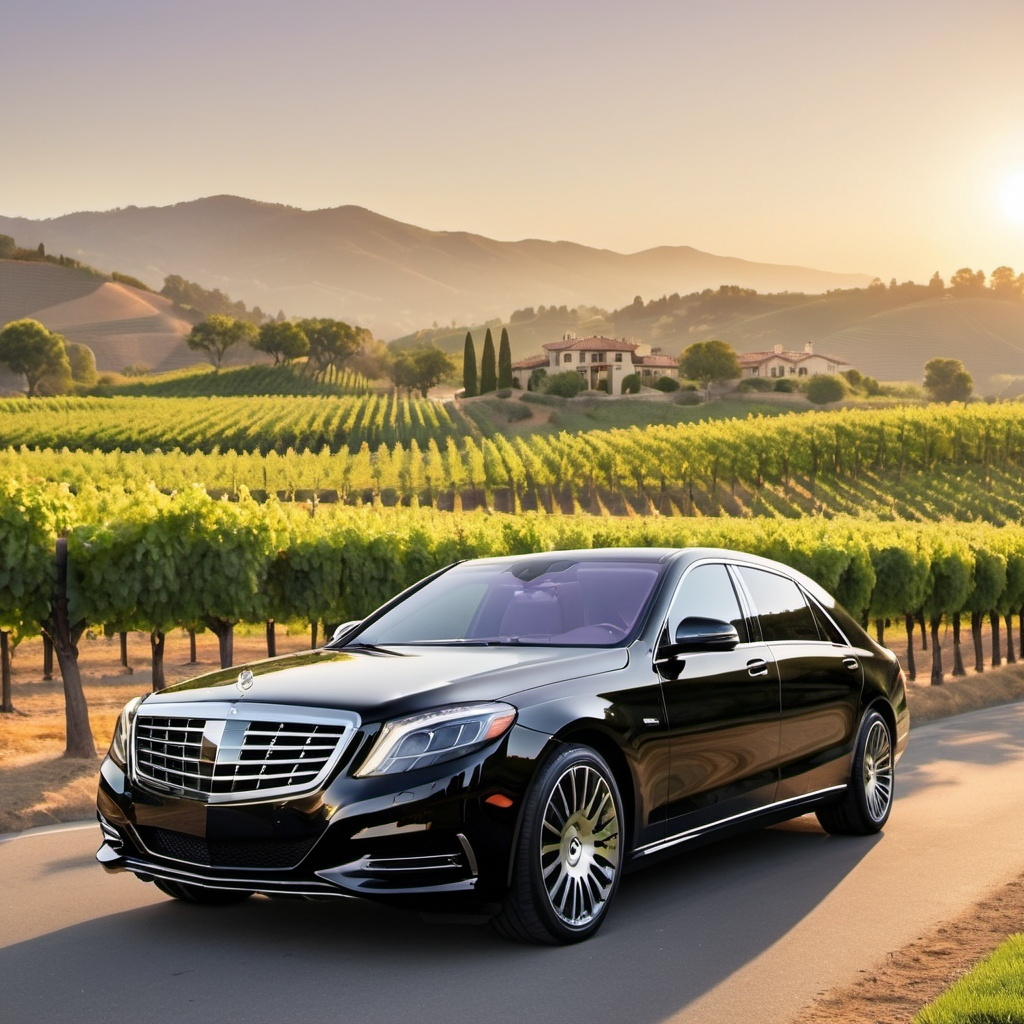
When planning travel around Sonoma County, a dependable mode of transportation is key. From airport transfers and corporate travel to winery tours and special events, the region’s diversity calls for versatile and professional transit solutions. In this comprehensive guide, we’ll explore the landscape of Sonoma transportation services, diving into vehicle options, logistical considerations, passenger comfort, and more—with a special mention of how Napa Limo operates within this ecosystem. You’ll find practical insights free of hype, written in easy‑to‑read English, and sprinkled with useful synonyms and related terms (LSI keywords) to help search engines and readers alike. 1. Understanding Sonoma County’s Transit Landscape Sonoma County is renowned for its wine country, coastal vistas, agricultural heritage, and small cities like Santa Rosa, Healdsburg, Windsor, and Petaluma. Covering over 1,600 square miles, its landscape combines rural stretches, vineyards, small-town roads, and major highways like US‑101 and Highway 12. Navigating such diversity requires tailored transportation in Sonoma that’s responsive to different travel scenarios: 2. Airports & Sonoma Ground Connections Visitors to Sonoma typically fly into: Coordinating airport shuttle services, transfer vans, or private sedan pickups is essential for stress‑free arrivals and departures. Sonoma lack of frequent public transport options makes efficient private or shared transportation a smart choice. Key Considerations: 3. Corporate Transport & Executive Car Services Given Sonoma’s appeal for conferences, corporate retreats, and team off‑sites, executive-level driving services are invaluable. Key attributes include: 4. Wine Tours, Vineyard Logistics & Group Shuttles Wine tourism drives much of Sonoma’s transportation demand. With over 425 wineries, each ranging in location and capacity, group transit logistics require careful coordination: 5. Wedding & Event Transportation Sonoma’s scenic event venues—vineyards, coastal estates, rustic barns—call for wedding‑specific transport planning: 6. Intercity Rides & Hourly Charters Moving around in Sonoma entails multiple intercity travel needs: 7. Fleet Variety: From Sedans to Minibuses Sonoma transport services typically provide diverse vehicle types: 8. Napa Limo: Operating in Sonoma Transit Market Though Napa Limo draws its name from Napa Valley, it also frequently serves Sonoma County travelers. As a transportation provider, Napa Limo embodies several hallmarks: While direct comparisons are beyond scope here, the existence of Napa Limo showcases the mid‑to‑high‑end niche within Sonoma transportation—emphasis on quality, reliability, and attentive service. 9. Booking & Scheduling Best Practices Efficient transit in Sonoma benefits from early planning and clear details: 10. Pricing Models & Cost Factors Transportation pricing in Sonoma depends on: 11. DOT & CHP Regulations for Carriers Professional carriers must comply with: 12. Safety & Era Standards Health and safety remain central: 13. Technology & Customer Experience Modern travelers expect: 14. Sustainability & Green Transit Options Eco-conscious transport is on the rise: 15. Comparing Sonoma Transportation Providers When choosing a service such as Napa Limo or others, consider: Feature Why It Matters Licensing & Insurance Ensures compliance and coverage Fleet Diversity & Reliability Ability to meet changing needs Professionalism of Chauffeurs Impacts experience and efficiency Transparent Pricing Prevents hidden fees and budgeting issues Safety & Cleanliness Vital for well-being and trust Booking & Tech Infrastructure Convenience for modern travelers Flexibility & Responsiveness Handling delays, venue changes smoothly Dietary or Special Requests Catering to unique customer needs 17. Local Considerations: Road Conditions & Seasonality 18. Customer Experience: What to Expect A premium transportation experience includes: 19. Integrating Napa Limo into Sonoma Trips Napa Limo’s inclusion in this analysis helps illustrate how a professional operator functions across Sonoma County: They embody quality standards and professional presentation expected from carrier services. 20. Planning Smart: Top Tips 21. Seasonal Trends & Sonoma Transport Planning Spring & Harvest Timing Spring (March–May) sees increased demand for vineyard shuttle services, garden parties, and outdoor events. Summer (June–August) brings a surge of travelers seeking weekender escapes. By late summer and early fall—August through October—wine country shuttle demand peaks due to harvest season. During these months, Sonoma transportation services must manage: Off-Peak Advantages During slower winter months (November–February), benefits include: Companies providing transportation in Sonoma can adapt service levels according to seasonality, offering flexibility to corporate customers and wine tourists alike. 22. Tailored Transportation for Corporate Groups When it comes to corporate groups, business clients typically look for three components: reliability, professionalism, and clear communication. Here’s what a high-caliber corporate transport solution should include: Integrating these elements within Sonoma transportation services delivers a cohesive and seamless experience for business travelers. 23. Leveraging Napa Limo for Corporate Needs Within Sonoma travel options, a fleet operator like Napa Limo often provides dedicated corporate solutions, such as: While they’re headquartered in Napa, these companies often partner with local fleet operators to cover Sonoma County comprehensively—especially for point-to-point business travel or roadshow-style transfers throughout the region. 24. Enhancing Group Tours with Personalized Touches Group travel in Sonoma isn’t limited to business—it includes family reunions, friends’ getaways, and social events. To elevate such experiences, Sonoma transportation services can offer: By offering these extras, a wine country shuttle becomes part of the experience, not just a ride. 25. Transportation for Celebrations & Events Beyond weddings, Sonoma hosts festivals (hot air balloon events, beer festivals, music series) and corporate functions, all requiring event shuttle services: By thinking beyond single rides, Sonoma transportation services can pack more value for event planners and attendees. 26. Technology’s Role in Sonoma Transport Modern transportation in Sonoma relies on digital tools to optimize user experience: Adopting technology minimizes miscommunication, streamlines operations, and builds trust with users. 27. Insurance, Liability, and Regulatory Compliance Trustworthy Sonoma transportation services must also maintain: Together, these structures mean safer rides, lower insurance risks, and peace of mind for travelers—especially corporate clients and event organizers. 28. Accessibility and Diverse Passenger Needs Inclusive transit solutions are increasingly essential. Key provisions include: By accommodating diverse passenger needs thoughtfully, providers set themselves apart within the Sonoma transportation services landscape. 29. Environmental Considerations With Sonoma’s eco-conscious culture, sustainability efforts can differentiate providers: Showcasing these efforts reinforces responsibility and aligns with regional values. 30. Dynamic Pricing & Transparent Estimates Sophisticated providers balance costs and client understanding by: This level of clarity enhances satisfaction and