
How to Build a Napa Wine Tour Schedule Without Rushing Tastings
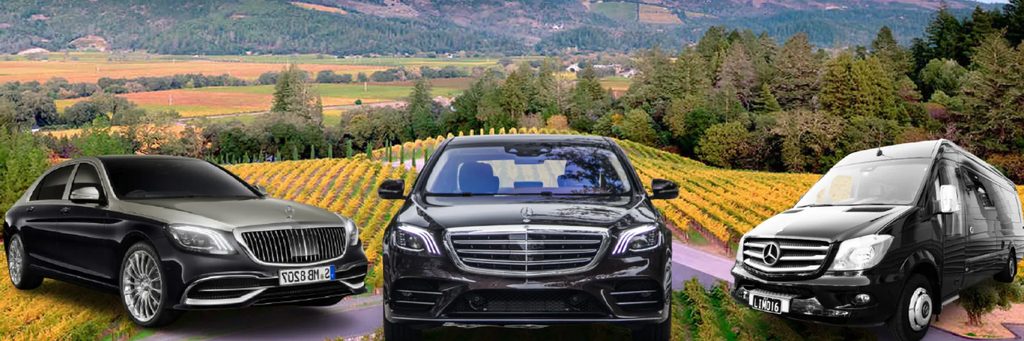
Planning a wine tour in Napa Valley is about more than choosing wineries. Visitors also need to consider tasting reservations, travel time, lunch breaks, vineyard locations, and the amount of time they want to spend at each stop. Without a realistic schedule, a relaxing day in wine country can quickly become a series of rushed appointments. A well-planned Napa wine tour allows visitors to enjoy each winery, learn about the wines, explore vineyard surroundings, and have enough time to travel comfortably between locations. Whether you are organizing a private outing with friends, a couples’ getaway, a birthday celebration, or a corporate gathering, building the right itinerary makes a significant difference. For travelers arranging transportation with Napa Limo, the most useful starting point is to plan the winery visits first and then organize the driving schedule around the confirmed appointments. This guide explains how to create a practical Napa Valley wine tour itinerary, how many wineries to visit in one day, how to account for travel time, and how to avoid common scheduling mistakes. 1. Start With Two or Three Winery Visits One of the easiest ways to make a Napa wine tour more enjoyable is to avoid scheduling too many tastings. For most visitors planning a relaxed full-day excursion, two or three wineries provide a sensible starting point. Napa Valley’s visitor guidance recommends limiting the itinerary because tasting experiences can take around 90 minutes or longer, with additional travel time between locations. The appropriate number depends on the type of tasting, the distance between wineries, and whether you plan to include lunch or a vineyard tour. For example, a guided winery visit may include an introduction to the vineyard, an explanation of the winemaking process, several wine samples, and time for questions. Rushing immediately to another appointment can prevent visitors from fully enjoying the experience. Before choosing your stops, review the official Visit Napa Valley wine-tasting tips. When Should You Visit More Wineries? Visiting three or four wineries may work when the appointments are relatively short, the locations are close together, and the wineries confirm that the schedule is feasible. However, it is better to enjoy three well-planned visits than to reserve five or six stops that leave little time for meals, travel, or unexpected delays. Start with the experiences you most want to enjoy, then add other stops only when the schedule allows. 2. Choose Wineries in the Same General Area Napa Valley includes several wine-growing areas and communities, including Napa, Yountville, Oakville, Rutherford, St. Helena, and Calistoga. Each offers different winery settings and tasting experiences. Although it can be tempting to select wineries based only on photographs or recommendations, the locations should also fit together geographically. A schedule with neighboring stops can reduce unnecessary driving and give visitors more time at the wineries. Plan Around Southern Napa Valley Visitors interested in beginning near the southern part of the valley can research wineries around Napa and Yountville. These areas can be useful starting points for an itinerary that gradually moves north, depending on the selected appointments. Explore Oakville and Rutherford Oakville and Rutherford provide another possible focus for visitors interested in vineyard visits and tasting experiences in the central valley. When selecting wineries in these areas, check the actual driving distance and access instructions rather than assuming that every nearby-looking property is only a few minutes away. Finish Near St. Helena or Calistoga Travelers who want to explore farther north can build their day around wineries near St. Helena or Calistoga. This may require a different departure time and a more careful review of the final return journey, particularly when the group is traveling back toward San Francisco or another Bay Area destination. You do not need to cover the entire valley in one day. Choose the area that best matches your interests and available time. 3. Reserve Tasting Appointments Before Finalizing the Itinerary Once you have shortlisted your wineries, check their reservation requirements and available tasting times. Some wineries offer scheduled seated tastings, guided tours, or food-pairing experiences. Others have different appointment lengths or limited daily availability. You should not assume that every tasting allows walk-ins or follows the same timetable. The official Napa Valley winery directory can help you research tasting locations and the experiences they offer. For each appointment, record: Keep the confirmation details together so that the transportation schedule can be built around the actual appointments. If a winery has a fixed start time, treat it as an important itinerary constraint rather than a flexible suggestion. 4. Add Travel Time Between Every Stop A common planning mistake is leaving only a few minutes between tastings because the wineries appear close on a map. The journey itself may be short, but visitors still need time to leave one property, reach the next location, park or unload, and check in for the reservation. Traffic, road conditions, winery entrances, and seasonal visitor activity can also affect arrival times. For each journey, estimate the travel time using a current map, then add a reasonable buffer. The appropriate buffer will depend on the route and appointment schedule. For example, a tasting that finishes at 12:00 p.m. should not automatically be followed by another appointment at 12:15 p.m. A more generous interval may be necessary for travel, restroom breaks, and check-in. Build the schedule using confirmed reservation times, not just the total number of miles. 5. Include a Proper Lunch Break Wine tours can involve several hours of tasting, walking, and driving. A meal break gives visitors time to relax and makes the itinerary feel less hurried. Choose a lunch location that fits naturally between winery appointments. You may prefer a restaurant near one of your scheduled stops or a place in a town along your route. When planning lunch, consider: Do not squeeze lunch into an unrealistically short window just to fit in another winery. If dining is an important part of your trip, build the day around the meal rather than treating it as an afterthought. 6. Build
Napa Valley Wine Tour Packages Explained: Costs, Tasting Fees & Travel Tips

When planning a trip to California Wine Country, one of the first questions many travelers ask is, “How much do Napa Valley wine tours cost?” Understanding the average cost of wine tours, winery tasting fees, and transportation options helps visitors create a realistic budget before traveling. Napa Valley is one of the world’s most famous wine destinations. Every year, millions of visitors explore its scenic vineyards, luxury wineries, historic estates, and charming towns. Whether you are visiting for a romantic getaway, family vacation, corporate outing, or weekend escape, knowing what to expect financially makes the experience much smoother. This guide explains everything about Napa Valley wine tours cost, wine tasting cost, Napa Valley wine tour packages, wine tours Napa Valley packages, and answers the common question, “Where is Wine Country California?” Throughout this article, the company Napa Limo is referenced as a transportation provider while keeping the focus on providing educational and useful information rather than promotional content. Where Is Wine Country California? California Wine Country generally refers to the northern part of California where wine grapes are grown on a large scale. The two best-known wine regions are: Together, these regions produce some of America’s highest-rated wines. Visitors also explore nearby wine regions such as: Among them, Napa Valley remains the most recognized destination due to its award-winning wineries, luxury resorts, gourmet restaurants, and beautiful vineyard landscapes. Located approximately one hour north of San Francisco, Napa Valley stretches for about 30 miles and includes several well-known towns such as: Each area offers unique tasting experiences, local restaurants, boutique hotels, and vineyard tours. Why Napa Valley Is Famous Worldwide Napa Valley has earned an international reputation because of its ideal climate, fertile soil, and centuries of winemaking tradition. The region is particularly known for producing: Many wineries have received global recognition for producing premium wines that consistently rank among the world’s best. Besides wine, Napa Valley is known for: These attractions make Napa Valley one of California’s most visited travel destinations. Understanding Napa Valley Wine Tours Cost One of the biggest factors when planning a wine country vacation is understanding the overall tour cost. The total price usually includes several services rather than just transportation. Typical wine tour expenses include: Depending on the itinerary, wine tour prices can vary significantly. Average Napa Valley Wine Tour Costs Tour Type Estimated Cost Self-guided wine tour $50–$200+ Group wine tour $125–$250 per person Small group tour $175–$350 per person Private wine tour $500–$1,500+ Luxury chauffeur wine tour Depends on vehicle, duration, and itinerary These figures vary depending on: What Affects Napa Valley Wine Tour Prices? Several factors influence the total cost of a wine tour. 1. Number of Wineries Some tours include: Others include: Premium tours may include: The more wineries included, the higher the overall price. 2. Tour Length Wine tours are available in different durations. Common options include: Longer tours generally cost more because of increased transportation time. 3. Transportation Transportation is one of the largest expenses. Visitors often choose: Companies like Napa Limo provide chauffeur-driven transportation, allowing guests to visit multiple wineries without worrying about driving or parking. 4. Group Size Prices change depending on the number of travelers. Examples include: Larger groups often split transportation costs, making private tours more affordable per person. 5. Winery Selection Every winery has different pricing. Boutique wineries may charge one fee. Luxury estates often charge significantly higher tasting fees because they include: Wine Tasting Cost Explained Many visitors assume wine tastings are free. Years ago, complimentary tastings were common. Today, most Napa Valley wineries charge tasting fees. The average wine tasting cost depends on several factors: Typical tasting fees include: Basic tasting: $25–$45 Premium tasting: $50–$90 Reserve tasting: $100–$200+ Private tasting experiences may exceed several hundred dollars depending on the winery. Napa Winery Tasting Fee: What Does It Include? When paying a winery tasting fee, guests typically receive: Premium experiences may also include: Are Napa Winery Tasting Fees Refundable? Many wineries apply tasting fees toward bottle purchases. For example: If guests purchase a certain number of bottles, the winery may waive part or all of the tasting fee. Policies differ from one winery to another. Visitors should check each winery’s reservation page before booking. Wine Tours Napa Valley Packages Wine tour packages combine several services into one booking. Instead of arranging transportation, reservations, and winery visits separately, many travelers choose complete packages. A typical package may include: Some packages also include lunch stops or restaurant reservations. Napa Valley Wine Tour Packages Not every wine tour package offers the same experience. Visitors can choose from different styles depending on their interests and budget. Common package types include: Classic Wine Tour Usually includes: Ideal for first-time visitors. Private Wine Tour Designed for: Benefits include: Luxury Wine Tour Luxury experiences may include: These tours generally have higher overall costs due to exclusive winery access and premium services. Custom Wine Tour Custom packages allow guests to: This option offers greater flexibility compared to fixed itineraries. Popular Napa Valley Towns Included in Wine Tours Many wine tour packages travel through several well-known communities, each offering a distinct atmosphere and selection of wineries. Napa serves as the gateway to the valley, featuring tasting rooms, restaurants, and cultural attractions. Yountville is known for fine dining and boutique wineries. Oakville and Rutherford are celebrated for world-class Cabernet Sauvignon vineyards. St. Helena combines historic wineries with charming shopping areas, while Calistoga is famous for hot springs, spa resorts, and relaxed wine tasting experiences. Exploring multiple towns allows visitors to experience the diversity of Napa Valley’s wine culture, scenery, and hospitality. Planning Your Wine Tour Budget Creating a budget before your trip helps avoid unexpected expenses. Consider costs for transportation, tasting fees, meals, gratuities, and any wine purchases you may want to make. Booking reservations in advance, traveling with a group to share transportation costs, and selecting wineries that match your budget can all help make your visit more enjoyable and cost-effective. Comparing Napa Wine Tour Packages Choosing the right wine tour