How to Compare Seated Wine Tastings, Bar Tastings, and Guided Winery Tours in Napa Valley

Planning a wine tour in Napa Valley involves more than choosing which wineries to visit. Visitors must also decide how they want to experience each winery. Some prefer a seated tasting with a host, others enjoy tasting at a counter, and some want a guided tour that explains how grapes are grown and wine is produced. Each experience offers a different balance of education, comfort, time, and interaction. Understanding these differences helps travelers build an itinerary that matches their interests, budget, and available schedule. Napa Valley has a diverse wine tourism landscape, with wineries offering structured tastings, vineyard visits, cellar experiences, and educational tours. Reservations, tasting formats, and visitor policies can vary by winery, so it is helpful to understand the options before finalizing a route. This guide compares seated wine tastings, bar tastings, and guided winery tours to help visitors plan a more organized Napa Valley wine experience. What Is a Seated Wine Tasting? A seated wine tasting is an appointment in which guests are generally assigned a table or designated seating area. A host may present several wines in a planned sequence and explain details about each selection. Depending on the winery, the experience may include information about grape varieties, winemaking methods, vineyard conditions, wine regions, and food pairings. A seated tasting often follows a set schedule, making it useful for visitors who prefer a structured experience instead of moving between different tasting areas. Benefits of seated tastings A more relaxed pace: Guests can remain in one place while the host introduces the wines. This can be helpful for couples, small groups, and visitors who prefer a quieter setting. More time for questions: A guided presentation may allow guests to ask about tasting notes, wine styles, production methods, and the winery’s approach. A planned selection: Some seated experiences feature a specific collection of wines or a themed flight, helping visitors compare different styles. A comfortable group setting: Seating can be convenient for multigenerational groups or visitors who want a break between stops. What should you check before booking? Not every seated tasting includes the same features. Before making a reservation, check the duration, number of wines, tasting fee, group size, and whether food is included. Ask whether the tasting is hosted privately or shared with other visitors. Some experiences may be more personalized than others. Also confirm the winery’s cancellation policy and arrival instructions. A late arrival may affect the experience or the time available for your appointment. What Is a Bar Tasting? A bar tasting typically takes place at a winery’s tasting counter or bar. Visitors stand or sit at the counter, depending on the venue, while a host or staff member introduces a selection of wines. This format can suit travelers who want a relatively straightforward introduction to a winery without committing to a longer tour. The exact experience depends on the property. Some tasting bars offer structured flights, while others provide a more conversational format. Benefits of bar tastings A flexible format: Bar tastings can be convenient when visitors want to explore several wine styles during a trip. Direct interaction with staff: Guests can ask questions about individual wines, grape varieties, and the winery’s offerings. A shorter visit may be possible: Some bar tastings take less time than a comprehensive winery tour, although the actual duration depends on the venue. Useful for comparing wines: A tasting flight may let visitors sample different varietals or blends in one session. What should you check before booking? Find out whether the winery accepts walk-ins or requires reservations. Do not assume that a bar tasting is automatically available without an appointment. Check the tasting fee, flight options, seating arrangements, and expected visit duration. Some wineries have limited tasting space or operate by appointment only. If anyone in your group prefers to sit, ask whether seating is available. A tasting bar can be less suitable for visitors who need a quieter or more accessible setting. What Is a Guided Winery Tour? A guided winery tour focuses on the place and process behind the wine, not just the wines in the glass. Depending on the winery, a tour may cover vineyards, grape growing, harvesting, fermentation, barrel aging, bottling, or cellar operations. The experience may conclude with a tasting or include tastings at several points during the visit. Guided tours vary considerably. Some focus on production facilities, while others emphasize vineyard landscapes, winery history, or the relationship between grape-growing conditions and wine characteristics. Benefits of guided winery tours A deeper understanding of winemaking: Visitors can learn how grapes become wine and how production decisions influence the finished product. More context for the tasting: Understanding fermentation, aging, and grape varieties can help guests interpret what they notice in the glass. A broader winery experience: A tour may include areas that are not part of a standard tasting appointment, depending on the property’s visitor policies. An educational activity: Guided tours can be particularly appealing to visitors who want to learn rather than focus only on sampling wines. What should you check before booking? Confirm the tour duration and whether a tasting is included. Ask which areas are visited and whether the route involves walking on uneven surfaces, stairs, or outdoor paths. Some tours may be affected by weather, vineyard conditions, or seasonal production activities. Visitors should check the winery’s current itinerary rather than assume every tour includes the same stops. Also consider the time required to travel from the previous winery and arrive before the tour begins. Comparing the Three Wine Tasting Formats The most suitable option depends on what visitors want from their day. Feature Seated tasting Bar tasting Guided winery tour Main focus Hosted wine experience Tasting selected wines Winemaking and winery context Typical setting Table or designated seating Tasting counter Winery grounds or production areas Pace Often structured Depends on the format Usually follows a planned route Learning opportunities Wine styles and tasting notes Wine introductions and questions Production, vineyards, and tasting Time commitment Varies by appointment May be shorter,
How Many Wineries Fit into a Half-Day Napa Tour?

A half-day wine tour in Napa Valley can be a wonderful way to experience California wine country without committing an entire day to tasting appointments. However, the number of wineries you can visit depends on the length of each tasting, the distance between properties, your starting location, and how much time you want to spend enjoying each experience. Some visitors want to explore a single winery in detail, while others prefer to compare wines at two different properties. The key is to create an itinerary that fits the available time without turning the outing into a rushed sequence of appointments. For couples, small groups, business travelers, and visitors with limited time in Napa Valley, a carefully organized half-day tour can offer a balanced introduction to the region. When planning a private wine tour with Napa Limo, start with the wineries you most want to visit, confirm their appointment times, and then build your transportation schedule around those reservations. How Many Wineries Can You Visit in Half a Day? For most visitors, one or two wineries is a practical target for a half-day Napa wine tour. One winery allows more time for a guided experience, vineyard views, questions about winemaking, and a relaxed tasting. Two wineries may work well when the appointments are reasonably short, the properties are conveniently located, and the schedule includes sufficient travel time. Trying to visit three or four wineries during a short outing may leave little room for delays, food, or enjoying the surroundings. Visit Napa Valley recommends planning around two or three winery visits for a typical day, noting that many tasting experiences take at least 90 minutes before accounting for travel between locations. Its published guidance is available in the official Napa Valley wine-tasting tips. A half-day provides less time than a full-day itinerary, so visitors should adjust the number of appointments accordingly. One Winery: A Relaxed Experience Choosing one winery can be ideal when you want to understand the property’s wines, explore the grounds, or participate in a more detailed tasting. Some wineries offer seated experiences, educational tours, food pairings, or special tastings that take longer than a quick visit. A single appointment can also leave time for photographs, a leisurely lunch, or exploring a nearby town afterward. This option works particularly well for first-time visitors who would rather understand one winery’s approach than hurry between several locations. Two Wineries: A Balanced Half-Day Two wineries can provide variety without making the schedule unnecessarily complicated. For example, you might select one winery with a guided tasting and another with a shorter, confirmed appointment. This can provide two different experiences while leaving time for the journey between properties. The main requirement is to check the actual duration of each appointment before booking. Do not assume every tasting lasts the same amount of time. Three Wineries: Only When the Schedule Allows Three stops may be possible under some circumstances, but they are generally more appropriate when the appointments are short, the locations are close together, and the available tour window is generous. Before attempting three wineries, add together the confirmed tasting durations, driving time, arrival and departure transitions, and any meal or rest breaks. If that calculation leaves little room for unexpected delays, reduce the number of stops. What Counts as a Half-Day Wine Tour? The term half-day does not have one universal duration across every wine-tour provider. A booking might cover a morning or afternoon window, with the precise hours determined by the transportation company and itinerary. Before selecting wineries, establish the actual start and finish times of your reservation. For planning purposes, consider the following example of a five-hour outing. This is an illustrative schedule, not a confirmed tour package or winery reservation. Activity Example duration Pickup and travel to the first winery 30 minutes First tasting appointment 90 minutes Travel and transition to the next winery 25 minutes Second tasting appointment 90 minutes Return travel and drop-off 45 minutes Extra time for check-in or delays 40 minutes Total 5 hours This example demonstrates how quickly the available time can be used. Your actual schedule may require more travel time, particularly if the tour begins outside Napa Valley. A private tasting or winery tour may also last longer than 90 minutes. Calculate the complete journey before committing to a particular number of wineries. Choose Wineries Near Each Other Geography is one of the most important considerations when planning a short Napa wine tour. Napa Valley includes several towns and wine-growing areas, including Napa, Yountville, Oakville, Rutherford, St. Helena, and Calistoga. Visiting properties that fit naturally into one geographic area can reduce unnecessary driving. Option 1: Focus on Downtown Napa A tour focused on Napa may work for travelers who want to combine wine tasting with time in town. Depending on the selected properties, some tasting rooms and nearby dining options may allow a compact itinerary. However, do not assume all wineries are within walking distance or that every tasting room accepts walk-in visitors. Confirm each property’s location and reservation requirements before planning the route. Option 2: Explore Yountville and Nearby Areas Yountville can be worth considering for visitors interested in combining a winery appointment with dining or exploring the town. Choose the tasting locations first, then check how long it takes to travel between them. A short distance on a map does not necessarily mean that check-in and transportation will take only a few minutes. Option 3: Plan Around Oakville or Rutherford Travelers interested in particular wine styles or winery experiences may prefer to focus on the Oakville or Rutherford areas. This approach works best when the selected properties have compatible appointment times. Avoid choosing wineries solely because they are famous or appear close together online. The objective is to create a realistic route that suits your interests and available hours. To research tasting experiences and winery locations, use the official Napa Valley winery directory. How to Build Your Half-Day Napa Wine Tour Schedule A useful itinerary starts with confirmed appointments rather than
How to Build a Napa Wine Tour Schedule Without Rushing Tastings
Planning a wine tour in Napa Valley is about more than choosing wineries. Visitors also need to consider tasting reservations, travel time, lunch breaks, vineyard locations, and the amount of time they want to spend at each stop. Without a realistic schedule, a relaxing day in wine country can quickly become a series of rushed appointments. A well-planned Napa wine tour allows visitors to enjoy each winery, learn about the wines, explore vineyard surroundings, and have enough time to travel comfortably between locations. Whether you are organizing a private outing with friends, a couples’ getaway, a birthday celebration, or a corporate gathering, building the right itinerary makes a significant difference. For travelers arranging transportation with Napa Limo, the most useful starting point is to plan the winery visits first and then organize the driving schedule around the confirmed appointments. This guide explains how to create a practical Napa Valley wine tour itinerary, how many wineries to visit in one day, how to account for travel time, and how to avoid common scheduling mistakes. 1. Start With Two or Three Winery Visits One of the easiest ways to make a Napa wine tour more enjoyable is to avoid scheduling too many tastings. For most visitors planning a relaxed full-day excursion, two or three wineries provide a sensible starting point. Napa Valley’s visitor guidance recommends limiting the itinerary because tasting experiences can take around 90 minutes or longer, with additional travel time between locations. The appropriate number depends on the type of tasting, the distance between wineries, and whether you plan to include lunch or a vineyard tour. For example, a guided winery visit may include an introduction to the vineyard, an explanation of the winemaking process, several wine samples, and time for questions. Rushing immediately to another appointment can prevent visitors from fully enjoying the experience. Before choosing your stops, review the official Visit Napa Valley wine-tasting tips. When Should You Visit More Wineries? Visiting three or four wineries may work when the appointments are relatively short, the locations are close together, and the wineries confirm that the schedule is feasible. However, it is better to enjoy three well-planned visits than to reserve five or six stops that leave little time for meals, travel, or unexpected delays. Start with the experiences you most want to enjoy, then add other stops only when the schedule allows. 2. Choose Wineries in the Same General Area Napa Valley includes several wine-growing areas and communities, including Napa, Yountville, Oakville, Rutherford, St. Helena, and Calistoga. Each offers different winery settings and tasting experiences. Although it can be tempting to select wineries based only on photographs or recommendations, the locations should also fit together geographically. A schedule with neighboring stops can reduce unnecessary driving and give visitors more time at the wineries. Plan Around Southern Napa Valley Visitors interested in beginning near the southern part of the valley can research wineries around Napa and Yountville. These areas can be useful starting points for an itinerary that gradually moves north, depending on the selected appointments. Explore Oakville and Rutherford Oakville and Rutherford provide another possible focus for visitors interested in vineyard visits and tasting experiences in the central valley. When selecting wineries in these areas, check the actual driving distance and access instructions rather than assuming that every nearby-looking property is only a few minutes away. Finish Near St. Helena or Calistoga Travelers who want to explore farther north can build their day around wineries near St. Helena or Calistoga. This may require a different departure time and a more careful review of the final return journey, particularly when the group is traveling back toward San Francisco or another Bay Area destination. You do not need to cover the entire valley in one day. Choose the area that best matches your interests and available time. 3. Reserve Tasting Appointments Before Finalizing the Itinerary Once you have shortlisted your wineries, check their reservation requirements and available tasting times. Some wineries offer scheduled seated tastings, guided tours, or food-pairing experiences. Others have different appointment lengths or limited daily availability. You should not assume that every tasting allows walk-ins or follows the same timetable. The official Napa Valley winery directory can help you research tasting locations and the experiences they offer. For each appointment, record: Keep the confirmation details together so that the transportation schedule can be built around the actual appointments. If a winery has a fixed start time, treat it as an important itinerary constraint rather than a flexible suggestion. 4. Add Travel Time Between Every Stop A common planning mistake is leaving only a few minutes between tastings because the wineries appear close on a map. The journey itself may be short, but visitors still need time to leave one property, reach the next location, park or unload, and check in for the reservation. Traffic, road conditions, winery entrances, and seasonal visitor activity can also affect arrival times. For each journey, estimate the travel time using a current map, then add a reasonable buffer. The appropriate buffer will depend on the route and appointment schedule. For example, a tasting that finishes at 12:00 p.m. should not automatically be followed by another appointment at 12:15 p.m. A more generous interval may be necessary for travel, restroom breaks, and check-in. Build the schedule using confirmed reservation times, not just the total number of miles. 5. Include a Proper Lunch Break Wine tours can involve several hours of tasting, walking, and driving. A meal break gives visitors time to relax and makes the itinerary feel less hurried. Choose a lunch location that fits naturally between winery appointments. You may prefer a restaurant near one of your scheduled stops or a place in a town along your route. When planning lunch, consider: Do not squeeze lunch into an unrealistically short window just to fit in another winery. If dining is an important part of your trip, build the day around the meal rather than treating it as an afterthought. 6. Build
Napa Valley Wine Tours Private: Explore Wineries Your Way
Napa Valley is one of California’s most recognized wine regions, known for its vineyards, tasting rooms, estate wineries, scenic roads, and long history of winemaking. A visit to Napa can be simple, such as stopping at a tasting room for a few wines, or it can become a carefully planned day involving several wineries, vineyard experiences, food pairings, and private transportation. For travelers who want a more personalized experience, Napa Valley wine tours private options provide a way to organize a wine-country day around a specific schedule. For families, corporate groups, wedding parties, friends, and other larger parties, Napa Valley group wine tours can make the day easier to coordinate. Another popular search is private wine tours Napa, which generally refers to customized experiences where a group can travel together and build a winery itinerary suited to its interests. Along with transportation and winery reservations, one of the most important questions travelers ask is, how much is a wine tasting? The answer depends on the winery, tasting format, wines included, food pairings, location, and level of the experience. According to Visit Napa Valley, a basic wine tasting averages about $40, while tasting fees can range from around $20 to $200 or more for elevated experiences. This guide explains how private and group wine tours work, what to expect at Napa wineries, how tasting fees are calculated, and how to build a comfortable Napa Valley itinerary. Understanding Napa Valley Wine Tours A Napa Valley wine tour is more than simply traveling from one winery to another. It can combine wine education, vineyard scenery, local history, food, architecture, and transportation into one day. Napa Valley includes several communities and wine-growing areas, including Napa, Yountville, Oakville, Rutherford, St. Helena, and Calistoga. Each area has its own collection of wineries, tasting rooms, restaurants, and attractions. Some visitors are interested in Cabernet Sauvignon and want to concentrate on wineries known for Cabernet-focused portfolios. Others prefer sparkling wine, Chardonnay, Pinot Noir, Sauvignon Blanc, or a combination of different styles. The purpose of planning a wine tour is therefore not necessarily to visit as many wineries as possible. A better approach is to select experiences that fit the group’s interests and allow enough time at each stop. Visit Napa Valley recommends planning approximately two or three winery visits in one day because many tasting experiences take at least 90 minutes when travel time is included. This is particularly important for private and group tours. What Are Napa Valley Wine Tours Private Experiences? Napa Valley wine tours private experiences are designed for a single party rather than a mixed group of unrelated travelers. For example, a private tour may be organized for: The main difference is flexibility. A private itinerary can be planned around the interests and schedule of the group. Instead of following a fixed public-tour schedule, travelers can discuss preferred winery styles, meal stops, tasting formats, and the amount of time they want to spend in different parts of Napa Valley. Benefits of a Private Wine Tour A private wine tour can offer several practical advantages. Personalized itinerary: The group can select wineries based on its interests. Private transportation: Everyone can travel together rather than arranging separate vehicles. Flexible schedule: The itinerary can be structured around reservations and meal times. Group privacy: Friends, family, or colleagues can spend the day together without sharing the vehicle with strangers. Better coordination: One itinerary makes it easier to keep track of winery reservations, lunch, departure times, and return transportation. Private touring can also be useful for visitors who have already been to Napa and want something different from a standard tourist itinerary. Private Wine Tours Napa: What Can Be Included? When researching private wine tours Napa, it is useful to understand what the tour itself includes and what may need to be paid separately. A private wine tour may involve: These components are not automatically included in every tour. Travelers should confirm the details before booking. For example, a transportation package may cover the vehicle and driver but not winery tasting fees. A winery experience may include several wines but charge separately for food pairings. A private tasting may also have a different price from a standard tasting-room flight. Understanding these differences helps travelers build a realistic budget. Napa Valley Group Wine Tours Napa Valley group wine tours are suitable for larger parties that want to explore wine country together. Group travel can be especially useful when several people are traveling for a wedding, reunion, corporate meeting, birthday, or special event. A group wine tour requires more planning than an individual visit because the itinerary must work for everyone. Important considerations include: Visit Napa Valley notes that some wineries can accommodate large groups and offer dedicated spaces and activities for group events. However, large groups should not assume that every tasting room accepts the same number of visitors. Winery policies can vary considerably. Why Group Size Matters The size of the group can influence almost every part of a wine tour. A group of four may be able to reserve a small tasting room experience without much difficulty. A group of 20 or more may need a larger winery, special reservation, private room, or designated group experience. The vehicle also matters. For example, a group traveling in separate cars may arrive at different times and need several designated drivers. A shared private vehicle can simplify the transportation side of the trip. Large groups should also communicate their arrival time clearly to wineries. Delays can affect tasting reservations and the rest of the day’s itinerary. How Much Is a Wine Tasting in Napa Valley? One of the most common questions from first-time visitors is, how much is a wine tasting? There is no single Napa Valley tasting price. Visit Napa Valley currently states that a basic Napa Valley wine tasting averages about $40, with options ranging approximately from $20 to $200 or more depending on the experience. This broad range exists because Napa wineries offer different types of experiences.
How to Plan the Best Napa Valley Group Wine Tour

Napa Valley is one of the most recognized wine regions in California and a popular destination for travelers who want to experience vineyards, wine tasting, scenic landscapes, and local food. From small groups of friends to organized wine enthusiast clubs, Napa offers many ways to plan a wine-focused trip. For travelers comparing the best value group travel packages for wine enthusiasts, the main question is not simply how much a tour costs. Value also depends on transportation, group size, tasting fees, itinerary flexibility, winery selection, travel time, and the overall experience. A well-planned group wine tour can make it easier to visit several wineries without worrying about driving between locations. This is particularly useful for groups interested in tasting wine at multiple properties during the same day. Napa Limo provides a transportation option for travelers considering private wine tours, group wine tours, winery visits, and special occasions in Napa Valley. This guide explains how group wine travel works, what affects the cost, what to consider when comparing packages, and how to plan a private wine experience. Understanding Napa Valley Wine Tours Napa Valley is home to numerous wineries and tasting rooms spread across communities such as Napa, Yountville, St. Helena, and Calistoga. Each area has its own character, and wineries may have different tasting formats, reservation requirements, and schedules. A traditional Napa wine tour may include visits to two, three, or more wineries in a single day. Depending on the itinerary, travelers may experience vineyard views, tasting rooms, wine education, cellar areas, and food pairings. For groups, transportation becomes an important part of the planning process. Rather than having different people drive separate vehicles, a group can travel together in a limousine, luxury SUV, passenger van, or another suitable vehicle. This is one reason Napa wine tours for large groups require more planning than an individual wine-tasting visit. The group needs to consider: Planning these details in advance can make the day easier to manage. Private Wine Tours Napa Valley: What Makes Them Different? Private wine tours Napa Valley experiences are designed for a specific group rather than a mixed group of unrelated travelers. This gives the travelers greater control over the itinerary. For example, a private group might choose to visit a combination of boutique wineries and larger estates. Another group may prefer a relaxed schedule with fewer tasting appointments and more time at each location. Private transportation can also make it easier to coordinate pickup and return times. Instead of meeting at a central departure point, travelers may arrange transportation from a hotel, vacation rental, residence, or another agreed location. A private itinerary may include areas such as: The best route depends on winery appointments and the group’s interests. Private Wine Tasting Napa: What Should You Expect? A private wine tasting Napa experience generally offers a more focused setting than a busy public tasting environment. Some wineries offer private tasting rooms, seated tastings, reserve wine experiences, vineyard tours, or food-and-wine pairings. The exact experience varies by winery. Some may focus on Cabernet Sauvignon, while others specialize in Chardonnay, Pinot Noir, sparkling wine, or Rhône-style varieties. Travelers should check tasting policies before building an itinerary. Some wineries require advance reservations, while others may have limited availability for large parties. It is also important to understand what the tasting fee covers. A tasting fee may include several wine samples, a seated presentation, a vineyard experience, or a food pairing. Prices vary widely depending on the winery and tasting format. How Much Is a Wine Tasting? One of the most common questions from visitors is, how much is a wine tasting? There is no single price for Napa Valley wine tasting. Fees depend on the winery, tasting level, number of wines, location, and whether the experience includes food or a private host. Basic tasting experiences can be relatively affordable, while premium or private experiences may cost significantly more per person. For a group trip, tasting fees should be included in the overall travel budget rather than treated as an unexpected expense. For example, a group’s estimated budget could include: Because winery prices and policies can change, travelers should confirm current fees directly with each winery before finalizing a 2025 itinerary. Best Value Group Travel Packages for Wine Enthusiast Clubs Wine enthusiast clubs often have different needs from casual groups. Members may already have knowledge of wine and may be more interested in the production process, vineyard conditions, grape varieties, and winery history. For these travelers, the best value group travel packages for wine enthusiast clubs should focus on the quality and relevance of the itinerary rather than simply maximizing the number of winery stops. A group could spend less time rushing between locations and more time experiencing selected wineries. For example, an itinerary might include: Morning:Pickup from a Napa Valley hotel and travel to the first winery. Late morning:Seated tasting and vineyard discussion. Lunch:A meal at a local restaurant or winery-approved location. Afternoon:Two additional winery appointments. Late afternoon:Return transportation through Napa Valley. This type of schedule can provide a balance between wine education, sightseeing, food, and relaxation. Wine clubs should also consider the interests of their members before selecting wineries. A group interested in Cabernet Sauvignon may want a different itinerary from a group focused on sparkling wines or organic and sustainable production. Napa Wine Tours for Large Groups Planning Napa wine tours for large groups requires careful coordination. Large groups may have fewer winery options because some tasting rooms have strict capacity limits. A winery that can easily accommodate six people may not be able to host 15, 20, or more guests at the same time. For this reason, group size should be confirmed before making reservations. Transportation should also match the number of passengers. A vehicle that is comfortable for eight travelers may not be appropriate for a much larger group. Depending on the party size, transportation could involve: The objective is to select a vehicle that provides sufficient seating and luggage or personal-item space while fitting the
Napa Valley Wine Tour Packages Explained: Costs, Tasting Fees & Travel Tips

When planning a trip to California Wine Country, one of the first questions many travelers ask is, “How much do Napa Valley wine tours cost?” Understanding the average cost of wine tours, winery tasting fees, and transportation options helps visitors create a realistic budget before traveling. Napa Valley is one of the world’s most famous wine destinations. Every year, millions of visitors explore its scenic vineyards, luxury wineries, historic estates, and charming towns. Whether you are visiting for a romantic getaway, family vacation, corporate outing, or weekend escape, knowing what to expect financially makes the experience much smoother. This guide explains everything about Napa Valley wine tours cost, wine tasting cost, Napa Valley wine tour packages, wine tours Napa Valley packages, and answers the common question, “Where is Wine Country California?” Throughout this article, the company Napa Limo is referenced as a transportation provider while keeping the focus on providing educational and useful information rather than promotional content. Where Is Wine Country California? California Wine Country generally refers to the northern part of California where wine grapes are grown on a large scale. The two best-known wine regions are: Together, these regions produce some of America’s highest-rated wines. Visitors also explore nearby wine regions such as: Among them, Napa Valley remains the most recognized destination due to its award-winning wineries, luxury resorts, gourmet restaurants, and beautiful vineyard landscapes. Located approximately one hour north of San Francisco, Napa Valley stretches for about 30 miles and includes several well-known towns such as: Each area offers unique tasting experiences, local restaurants, boutique hotels, and vineyard tours. Why Napa Valley Is Famous Worldwide Napa Valley has earned an international reputation because of its ideal climate, fertile soil, and centuries of winemaking tradition. The region is particularly known for producing: Many wineries have received global recognition for producing premium wines that consistently rank among the world’s best. Besides wine, Napa Valley is known for: These attractions make Napa Valley one of California’s most visited travel destinations. Understanding Napa Valley Wine Tours Cost One of the biggest factors when planning a wine country vacation is understanding the overall tour cost. The total price usually includes several services rather than just transportation. Typical wine tour expenses include: Depending on the itinerary, wine tour prices can vary significantly. Average Napa Valley Wine Tour Costs Tour Type Estimated Cost Self-guided wine tour $50–$200+ Group wine tour $125–$250 per person Small group tour $175–$350 per person Private wine tour $500–$1,500+ Luxury chauffeur wine tour Depends on vehicle, duration, and itinerary These figures vary depending on: What Affects Napa Valley Wine Tour Prices? Several factors influence the total cost of a wine tour. 1. Number of Wineries Some tours include: Others include: Premium tours may include: The more wineries included, the higher the overall price. 2. Tour Length Wine tours are available in different durations. Common options include: Longer tours generally cost more because of increased transportation time. 3. Transportation Transportation is one of the largest expenses. Visitors often choose: Companies like Napa Limo provide chauffeur-driven transportation, allowing guests to visit multiple wineries without worrying about driving or parking. 4. Group Size Prices change depending on the number of travelers. Examples include: Larger groups often split transportation costs, making private tours more affordable per person. 5. Winery Selection Every winery has different pricing. Boutique wineries may charge one fee. Luxury estates often charge significantly higher tasting fees because they include: Wine Tasting Cost Explained Many visitors assume wine tastings are free. Years ago, complimentary tastings were common. Today, most Napa Valley wineries charge tasting fees. The average wine tasting cost depends on several factors: Typical tasting fees include: Basic tasting: $25–$45 Premium tasting: $50–$90 Reserve tasting: $100–$200+ Private tasting experiences may exceed several hundred dollars depending on the winery. Napa Winery Tasting Fee: What Does It Include? When paying a winery tasting fee, guests typically receive: Premium experiences may also include: Are Napa Winery Tasting Fees Refundable? Many wineries apply tasting fees toward bottle purchases. For example: If guests purchase a certain number of bottles, the winery may waive part or all of the tasting fee. Policies differ from one winery to another. Visitors should check each winery’s reservation page before booking. Wine Tours Napa Valley Packages Wine tour packages combine several services into one booking. Instead of arranging transportation, reservations, and winery visits separately, many travelers choose complete packages. A typical package may include: Some packages also include lunch stops or restaurant reservations. Napa Valley Wine Tour Packages Not every wine tour package offers the same experience. Visitors can choose from different styles depending on their interests and budget. Common package types include: Classic Wine Tour Usually includes: Ideal for first-time visitors. Private Wine Tour Designed for: Benefits include: Luxury Wine Tour Luxury experiences may include: These tours generally have higher overall costs due to exclusive winery access and premium services. Custom Wine Tour Custom packages allow guests to: This option offers greater flexibility compared to fixed itineraries. Popular Napa Valley Towns Included in Wine Tours Many wine tour packages travel through several well-known communities, each offering a distinct atmosphere and selection of wineries. Napa serves as the gateway to the valley, featuring tasting rooms, restaurants, and cultural attractions. Yountville is known for fine dining and boutique wineries. Oakville and Rutherford are celebrated for world-class Cabernet Sauvignon vineyards. St. Helena combines historic wineries with charming shopping areas, while Calistoga is famous for hot springs, spa resorts, and relaxed wine tasting experiences. Exploring multiple towns allows visitors to experience the diversity of Napa Valley’s wine culture, scenery, and hospitality. Planning Your Wine Tour Budget Creating a budget before your trip helps avoid unexpected expenses. Consider costs for transportation, tasting fees, meals, gratuities, and any wine purchases you may want to make. Booking reservations in advance, traveling with a group to share transportation costs, and selecting wineries that match your budget can all help make your visit more enjoyable and cost-effective. Comparing Napa Wine Tour Packages Choosing the right wine tour
Tours From San Francisco to Napa Valley Wine Tasting: Your Complete Guide to Exploring California’s Wine Country

A trip to Napa Valley is one of the most popular experiences for visitors and locals looking to explore California’s world-famous wine country. Located about 50 miles north of San Francisco, Napa Valley is known for its rolling vineyards, award-winning wineries, beautiful landscapes, and exceptional culinary experiences. Whether you are planning your first wine tasting adventure or returning to discover new wineries, choosing one of the many Tours From San Francisco to Napa Valley Wine Tasting offers a convenient way to experience everything the region has to offer. Many travelers prefer Napa Valley Trips from San Francisco because they eliminate the stress of driving while allowing visitors to enjoy multiple wineries responsibly. From scenic highways to luxury vineyards and charming towns like Yountville, St. Helena, and Calistoga, every stop provides a unique perspective on Northern California’s rich wine culture. Whether you are considering Napa Wine Country Tours from San Francisco, SF Napa Wine Tours, or a relaxing Day Trip to Napa from San Francisco, understanding what to expect helps you make the most of your journey. Why Napa Valley Is Worth Visiting Napa Valley has earned an international reputation for producing premium wines. The region enjoys a Mediterranean climate with warm days and cool evenings, creating ideal conditions for growing grape varieties such as Cabernet Sauvignon, Chardonnay, Merlot, Sauvignon Blanc, and Pinot Noir. More than wine makes Napa Valley special. Visitors also enjoy: Its close proximity makes Napa Valley one of the best destinations for travelers seeking Wine Country Tours California from San Francisco. Why Choose a Tour from San Francisco? Driving from San Francisco to Napa Valley typically takes between 60 and 90 minutes depending on traffic. Many visitors choose organized transportation because it allows everyone to participate in wine tasting without worrying about navigation or designated drivers. Professional transportation also offers: This is one reason why San Francisco Wine Tours to Napa Valley remain popular among couples, families, corporate groups, and international tourists. Scenic Route to Napa Valley The journey itself is part of the experience. Many tours begin by crossing the iconic Golden Gate Bridge before heading north through Marin County. Depending on the route, travelers may pass: Each route offers beautiful vineyard views, rolling hills, and charming small towns that highlight California’s agricultural heritage. What Happens During a Napa Valley Wine Tour? Most Napa Valley Wine Country Tour from San Francisco itineraries include several winery visits throughout the day. Each winery offers a different atmosphere, ranging from historic estates to modern tasting rooms. Guests typically enjoy: Many wineries explain how grapes are grown, harvested, fermented, aged, and bottled, giving visitors a deeper appreciation for the winemaking process. Popular Wine Varieties Napa Valley produces many internationally recognized wines, including: Cabernet Sauvignon The valley is especially famous for Cabernet Sauvignon, known for its bold flavors, rich aromas, and aging potential. Chardonnay Visitors can sample crisp, refreshing Chardonnay made in both oaked and unoaked styles. Pinot Noir Cooler areas near Carneros produce elegant Pinot Noir with delicate fruit flavors. Sparkling Wine Several wineries specialize in sparkling wines using traditional production methods inspired by French Champagne techniques. Sauvignon Blanc This refreshing white wine is a popular choice during warm summer afternoons. Famous Wine Regions Within Napa Valley Although often referred to as one destination, Napa Valley contains several distinct wine-growing areas. Yountville Known for luxury dining, boutique hotels, and elegant tasting rooms, Yountville is a favorite stop for many wine enthusiasts. St. Helena St. Helena combines historic charm with prestigious wineries and gourmet restaurants. Calistoga Located at the northern end of the valley, Calistoga is famous for natural hot springs, spas, and relaxed winery experiences. Oakville Oakville produces some of Napa Valley’s most highly regarded Cabernet Sauvignon wines. Rutherford Rutherford is recognized worldwide for its unique soil conditions and exceptional red wines. Planning a Day Trip to Napa from San Francisco A well-planned Day Trip Napa Valley from San Francisco allows visitors to experience several wineries without feeling rushed. Most itineraries include: Choosing a structured itinerary helps maximize time while minimizing travel concerns. Responsible Wine Tourism Wine tasting should always be enjoyed responsibly. Visitors are encouraged to drink water throughout the day, eat balanced meals, and pace their tastings. Organized transportation supports safe travel and allows guests to focus on learning about wine, local history, and the region’s culture rather than driving. How to Choose the Right Napa Valley Wine Tour from San Francisco With so many Napa Valley Trips from San Francisco available, selecting the right experience depends on your travel style, budget, and interests. Some visitors prefer a relaxed itinerary with plenty of time at each winery, while others enjoy visiting several vineyards in a single day. Understanding what each tour offers helps you make an informed decision. When comparing Napa Wine Country Tours from San Francisco, consider the number of wineries included, travel time, group size, tasting experiences, meal options, and whether the itinerary also includes nearby destinations such as Sonoma County. Some tours focus on boutique wineries, while others visit well-known estates that have built international reputations. If you are planning SF Napa Wine Tours with family, friends, or colleagues, think about the pace of the trip. A slower schedule often provides more opportunities to appreciate vineyard scenery, learn about winemaking traditions, and interact with knowledgeable staff. Consider the Length of Your Trip Not every traveler has the same schedule. Some visitors choose a full-day experience, while others extend their stay with overnight accommodations. Common options include: A Day Trip Napa Valley from San Francisco remains one of the most popular choices because it allows visitors to experience the highlights without requiring overnight accommodation. Seasonal Experiences in Napa Valley Every season offers a different perspective on wine country. The changing landscape provides unique opportunities for photography, wine tasting, and outdoor activities. Spring Spring transforms Napa Valley into a vibrant landscape filled with blooming mustard flowers and fresh green vineyards. Mild temperatures make it an excellent season for walking through vineyards and enjoying outdoor tastings. Summer
Napa Valley Wine Tasting Tours from San Francisco: The Ultimate Guide by Napa Limo

California’s Napa Valley is synonymous with world-class wines, rolling vineyards, and serene countryside landscapes. For anyone staying in or near San Francisco, a day trip or weekend getaway to Napa Valley offers an unforgettable escape from city life. The journey from the Bay Area to the heart of California’s wine country is not only scenic but also full of experiences that blend luxury, culture, and relaxation. In this guide, Napa Limo brings you everything you need to know about Napa Valley wine tasting tours from San Francisco—from travel tips and famous wineries to the benefits of choosing a chauffeured tour for a stress-free day of indulgence. Why Napa Valley Is the Perfect Wine Tour Destination Napa Valley is one of the world’s most celebrated wine regions, known for its premium Cabernet Sauvignon, Chardonnay, and Merlot varieties. The valley is home to more than 400 wineries, each offering a distinct style of winemaking and tasting experience. Its Mediterranean-like climate, fertile soil, and scenic landscapes make it ideal for growing exceptional grapes. Visitors come from all over the world to explore its vineyard estates, boutique tasting rooms, and Michelin-starred restaurants. Whether you’re a seasoned wine enthusiast or a casual traveler, Napa Valley wine tours from San Francisco deliver an experience that combines education, exploration, and enjoyment. The Journey from San Francisco to Napa Valley The drive from San Francisco to Napa Valley typically takes about 1.5 to 2 hours, depending on traffic and the route taken. The most common routes include: Travelers can choose to rent a car, join a group bus tour, or, for the most comfortable experience, book a private limousine wine tour with Napa Limo. A professional chauffeur allows you to relax, enjoy the scenery, and taste wines responsibly without worrying about navigation or driving. What to Expect on a Napa Valley Wine Tour A well-planned wine tour isn’t just about tasting wines; it’s an entire sensory journey. From the vineyards to the cellar tours, every detail reflects the artistry behind each bottle. 1. Wine Tastings and Pairings Most wineries offer several tasting options, ranging from standard tastings to reserve and library selections. Many also pair wines with artisanal cheeses, chocolates, or local delicacies to enhance the flavor profiles. 2. Vineyard and Barrel Room Tours Exploring the vineyards allows visitors to understand grape varieties, harvesting methods, and the craftsmanship behind winemaking. Barrel room visits provide insights into the aging process, oak influence, and fermentation techniques. 3. Educational Experiences Many Napa wineries offer guided tours led by sommeliers or wine educators who explain tasting notes, vintage variations, and pairing strategies. 4. Picturesque Settings Napa Valley’s wineries are not just about wine—they’re destinations themselves. From hilltop estates and rustic barns to modern architectural marvels, every stop offers a distinct ambiance perfect for photography or simply unwinding in nature. Popular Wineries to Visit on a Napa Valley Wine Tour If you’re planning Napa Valley wine tasting tours from San Francisco, here are some of the most famous and visitor-friendly wineries to consider: 1. Robert Mondavi Winery One of the most iconic names in American wine, Robert Mondavi Winery is known for its premium Cabernet Sauvignon and Fumé Blanc. The estate offers guided tastings, art exhibits, and cultural events throughout the year. 2. Castello di Amorosa A true medieval-style castle winery, Castello di Amorosa is both a visual and culinary delight. Visitors can explore its stone towers, dungeons, and tasting halls while sipping on handcrafted Italian-style wines. 3. Domaine Carneros Perfect for sparkling wine enthusiasts, Domaine Carneros offers elegant tastings on its chateau terrace overlooking the vineyards. It’s often the first stop for travelers arriving from San Francisco. 4. Beringer Vineyards Founded in 1876, Beringer is one of the oldest continuously operating wineries in Napa Valley. Its beautifully preserved estate offers both historical tours and premium tastings. 5. Stag’s Leap Wine Cellars A legend in Napa’s wine history, this winery gained global fame when its Cabernet Sauvignon won the 1976 Judgment of Paris. Today, it continues to impress with bold reds and scenic tasting patios. 6. V. Sattui Winery Known for its family-friendly environment and picnic grounds, V. Sattui offers one of the most accessible tasting experiences with a variety of wines and gourmet foods. Types of Napa Valley Wine Tours from San Francisco Different travelers prefer different experiences. Here are several options for Napa Valley wine tours from San Francisco, depending on your preferences and budget: 1. Private Wine Tours A private tour offers complete flexibility. You can customize your itinerary, choose your preferred wineries, and travel in comfort. Napa Limo provides private transportation with professional chauffeurs who are familiar with the region. 2. Group Bus or Shuttle Tours These tours are more budget-friendly and often include fixed itineraries. They’re great for meeting fellow travelers but may not offer the same level of personalization. 3. Luxury Limousine Wine Tours For a touch of elegance and convenience, limousine wine tours from San Francisco to Napa Valley are ideal. With Napa Limo’s fleet of luxury vehicles—sedans, SUVs, and stretch limousines—you can enjoy wine tastings in style while leaving logistics to your driver. 4. Helicopter and Train Tours For those seeking something extraordinary, helicopter tours and the Napa Valley Wine Train provide premium experiences with panoramic views and fine dining. Benefits of Choosing a Chauffeured Limo for Your Napa Valley Wine Tour Opting for a professional chauffeured service like Napa Limo can elevate your wine country experience in many ways: 1. Safety and Comfort Wine tasting involves alcohol consumption, so having a dedicated driver ensures safety. A limousine provides comfort, privacy, and ample space for passengers and wine purchases. 2. Stress-Free Travel You won’t need to navigate unfamiliar roads or worry about parking. Your chauffeur takes care of all logistics, so you can focus on enjoying your day. 3. Local Expertise Experienced drivers know the best wineries, scenic routes, and hidden gems. They can suggest stops tailored to your interests—whether boutique vineyards, artisanal cheese shops, or photo-worthy viewpoints. 4. Personalized Itinerary Private limo tours
Experience the Luxury Car Service from San Francisco to Napa

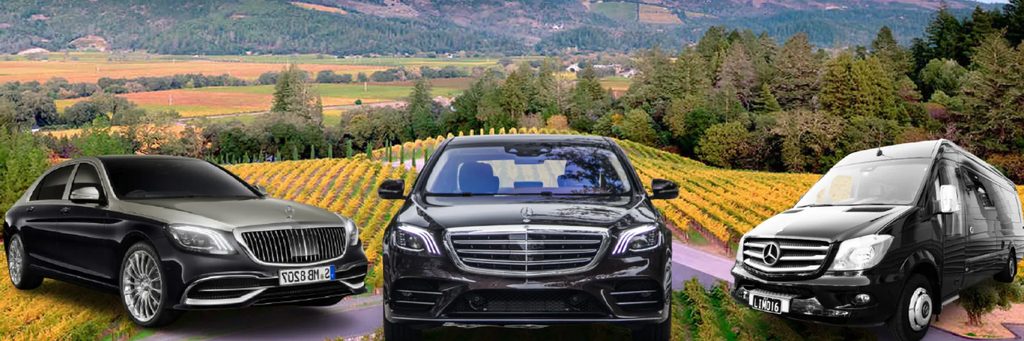
Experience the Luxury Car Service from San Francisco to Napa If you’re planning a visit to the world-renowned Napa Valley for some wine tasting, you want to make sure your experience is smooth, stress-free, and memorable. Napa Limo is here to provide you with an exceptional car service for Napa wine tasting and a luxurious, comfortable ride for your car service from San Francisco to Napa. Whether you’re embarking on a Napa limo wine tour or just need a ride for your Napa adventures, Napa Limo has you covered with premium services tailored to make your visit unforgettable. Why Choose Napa Limo for Your Napa Wine Tasting Experience? Napa Valley is famous for its stunning vineyards, exquisite wines, and beautiful landscapes. It’s a top destination for wine enthusiasts and those looking to indulge in the finer things in life. However, with so many wineries to visit and so much to see, navigating the roads can be tricky, especially if you plan to visit several vineyards in one day. This is where Napa Limo comes in. 1. Professional, Experienced Chauffeurs At Napa Limo, we understand that your wine-tasting experience is all about relaxation and enjoying every moment. Our professional chauffeurs are experts in the Napa Valley area, ensuring that you get to your destination safely and on time. Our drivers have extensive knowledge of the best routes to take, so you won’t have to worry about traffic or getting lost. They’ll also ensure that you’re comfortable and have everything you need, from chilled water to a welcoming atmosphere. 2. Luxurious Fleet of Vehicles When you choose Napa Limo for your Napa wine tasting tour, you’re not just getting a ride – you’re getting a luxurious experience. Our fleet of vehicles includes sleek and stylish limousines, spacious SUVs, and elegant sedans, all of which are perfect for wine tours. Whether you’re traveling alone, with a partner, or with a group of friends, we have the perfect vehicle to accommodate your needs. All our vehicles are equipped with modern amenities, including leather seats, air conditioning, and state-of-the-art sound systems, making your Napa wine tour even more enjoyable. 3. Stress-Free Transportation for Your Napa Wine Tour One of the main reasons people choose Napa Limo is the convenience of having stress-free transportation during their wine tour. With our car service for Napa wine tasting, you won’t have to worry about parking or finding a designated driver. Instead, you can sit back, relax, and focus on what really matters – enjoying the beautiful vineyards, sipping on some of the best wines in the world, and creating lasting memories with friends or loved ones. With Napa Limo, you have the flexibility to visit multiple wineries without the hassle of driving or coordinating separate rides. Our chauffeurs will wait for you at each location, ensuring a seamless experience from start to finish. 4. Customizable Napa Limo Wine Tours Everyone’s idea of the perfect Napa wine tour is different. At Napa Limo, we offer customizable wine tours based on your preferences. Whether you want to visit world-famous wineries, boutique vineyards, or enjoy a scenic tour of the Napa Valley, we’ll design a tailored experience for you. Our team works closely with you to create an itinerary that includes your must-see wineries, while also ensuring that you have enough time to relax and enjoy the beauty of Napa. 5. Safe and Reliable Car Service from San Francisco to Napa For those visiting from San Francisco or nearby cities, Napa Limo offers premium car service from San Francisco to Napa. The journey to Napa Valley from San Francisco is about an hour and a half, depending on traffic, but it’s well worth it. With Napa Limo’s car service, you can skip the stress of navigating unfamiliar roads and sit back as our professional chauffeur takes you on a smooth and scenic drive through the Bay Area. Whether you’re in town for a special event, a corporate retreat, or a relaxing getaway, Napa Limo’s car service from San Francisco to Napa ensures that you get to your destination safely and in style. Our chauffeurs know the best routes and will ensure you arrive relaxed and ready to enjoy your wine tour. What to Expect During Your Napa Limo Wine Tour A Napa Limo wine tour is an experience like no other. From the moment you step into one of our luxurious vehicles, you’ll know that you’re in for a memorable day. Here’s a breakdown of what you can expect during your Napa Limo wine tour: 1. Punctual Pickup Whether you’re starting your day from your hotel, the airport, or another location in the San Francisco Bay Area, we ensure that you’re picked up on time. Our chauffeurs arrive early and will greet you with a smile, making your journey comfortable from the start. You don’t have to worry about rushing or being late for your wine tasting appointments. 2. Scenic Drive Napa Valley is known for its rolling hills, scenic vineyards, and beautiful landscapes. During your drive from San Francisco to Napa, you’ll be treated to stunning views of the Bay Area and the surrounding countryside. It’s the perfect way to start your wine-tasting adventure and set the tone for a relaxing day of indulgence. 3. Expert Recommendations If you’re unsure which wineries to visit or need recommendations, Napa Limo’s chauffeurs are happy to provide suggestions based on your preferences. Whether you prefer a full-bodied red wine, a crisp white, or a sparkling wine, we can guide you to the best wineries to suit your tastes. 4. VIP Access to Wineries With Napa Limo, you may also enjoy exclusive access to some of Napa Valley’s top wineries. Many wineries offer VIP experiences, and with Napa Limo, you can skip the lines and enjoy a personalized tasting experience. From private tours to special wine pairings, we can help make your visit extra special. 5. Flexibility and Comfort Our Napa wine tours are fully customizable to fit your needs and schedule. Whether