
Napa Valley is known for its vineyards, wine tasting rooms, scenic countryside, and winery experiences. Visitors can spend a day exploring different wineries, learning about local wine production, enjoying vineyard views, and discovering the character of individual wine regions. However, visiting several locations in one day requires more planning than choosing a few tasting rooms from a map.
A multi-stop wine tour involves coordinating winery reservations, travel time, tasting durations, meal breaks, and transportation between locations. Without a clear schedule, visitors may spend too much time driving, arrive late for reservations, or attempt to fit too many experiences into a single day.
Planning ahead can make the trip more comfortable and help travelers enjoy each stop without rushing. This guide explains how to organize a multi-stop Napa Valley wine tour, select wineries, plan the route, and arrange transportation that fits the group’s needs.
Why a Multi-Stop Wine Tour Needs a Clear Plan
Napa Valley includes several wine-growing areas, with wineries and tasting experiences spread across different communities. Visitors may consider destinations around Napa, Yountville, Oakville, Rutherford, St. Helena, and Calistoga. Although these places are part of the same broader region, traveling between them takes time.
Each winery also has its own visitor arrangements. Some offer seated tastings by reservation, while others provide guided tours, food pairings, vineyard walks, or educational experiences about winemaking.
Trying to visit too many wineries can make the day feel rushed. A tasting appointment may last longer than expected, lunch can take time, and traffic or parking can affect the schedule.
A useful wine tour plan should account for:
- The number of wineries the group wants to visit
- Reservation times and tasting durations
- Travel time between locations
- Lunch or other meal arrangements
- Transportation and parking
- The group’s budget and interests
- A comfortable end time for the day
The goal is not to visit the largest number of wineries. It is to create a realistic itinerary that allows time to enjoy each experience.
1. Decide What Kind of Wine Tour You Want
Before choosing wineries, decide what the group wants from the day. Napa Valley offers different types of wine experiences, and the best itinerary depends on personal interests.
Classic winery tastings
A traditional tasting introduces visitors to a selection of wines. Staff may explain grape varieties, winemaking methods, aromas, and flavor characteristics. Some tastings are held at a bar, while others take place at a reserved table.
Seated tasting experiences
Seated tastings provide a more structured setting. Visitors can sit together while learning about the wines being served. These experiences may be suitable for groups that prefer a relaxed pace or want to spend more time discussing individual wines.
Vineyard and winery tours
Some wineries offer guided tours that explain grape growing, harvesting, fermentation, aging, and bottling. These experiences can be useful for visitors interested in the production process, not just tasting the finished wine.
Food and wine pairings
Food-pairing experiences explore how different foods interact with a wine’s acidity, sweetness, tannins, and other characteristics. Availability and reservation requirements vary by winery.
Scenic and educational visits
Some visitors prefer beautiful vineyard settings and opportunities to learn about the region’s history. Others want to explore specific grape varieties or compare wines from different parts of Napa Valley.
Choose a primary theme before building the itinerary. This makes it easier to select stops that complement one another rather than choosing wineries at random.
2. Choose a Practical Number of Wineries
One of the most common planning mistakes is scheduling too many wineries into a single day.
The appropriate number depends on the length of each tasting, travel time, meal plans, and the group’s interests. A day with two substantial winery experiences may feel more rewarding than a rushed itinerary involving four or five stops.

For a relaxed day, consider beginning with two or three planned winery visits. This gives the group time to enjoy the experiences and allows some flexibility if a reservation takes longer than expected.
A simple itinerary could include:
- A morning tasting at the first winery
- Lunch or a short break
- An afternoon visit at a second winery
- An optional third stop if the schedule and reservations allow
This is a planning example, not a guarantee that every winery can accommodate those times. Each venue’s reservation availability and tasting duration must be checked before the schedule is finalized.
If the group wants a detailed vineyard tour or a food-pairing experience, allow additional time. These visits may involve more than a short tasting at a counter.
A balanced itinerary should leave room to enjoy the wine, ask questions, take photographs where permitted, and move between locations without feeling hurried.
3. Organize Wineries by Location
Route planning is one of the most important parts of a multi-stop wine tour. Selecting wineries close to one another can reduce unnecessary driving and give the group more time at each destination.
Begin by marking the potential wineries on a map. Then compare their locations and identify a sensible order for the visits.

For example, a tour might focus on wineries in the southern part of Napa Valley around Napa and Yountville. Another itinerary could explore the central valley around Oakville, Rutherford, and St. Helena. A longer trip might include Calistoga, but adding distant stops may require extra travel time.
These areas offer different options, but individual wineries vary in location and access. Check the exact addresses rather than assuming that every winery in a named community is close to every other one.
When planning the route, consider:
- The first pickup location
- The earliest reservation
- The distance between wineries
- The location of lunch
- Expected traffic
- The final destination or return trip
Avoid planning a route that repeatedly crosses the valley. A geographically sensible sequence can make the day easier to manage.
4. Make Reservations Before Finalizing the Day
Many wineries use reservations for tastings and tours. Some may accept walk-in visitors, but availability can vary by date, season, group size, and experience type.
Contact each winery or check its official booking information before including it in the itinerary. Confirm the reservation time, tasting duration, number of guests, price, and cancellation policy.
Also ask whether the winery has specific arrival instructions. Some experiences require guests to check in before the scheduled time, and late arrivals may affect the tasting.
If the group includes several people, confirm that the winery can accommodate the full party. A venue may offer different reservation options for small groups and larger parties.
Once the reservations are confirmed, arrange the route around those fixed times. This is more reliable than choosing an approximate travel schedule first and hoping that every winery can accommodate it.
Keep reservation confirmations in one place so the trip organizer can review the schedule when needed.
5. Allow Enough Time Between Stops
Travel time is more than the number of minutes shown on a map. A complete transfer includes getting into the vehicle, leaving the property, traveling to the next winery, finding the entrance, and checking in.
Some winery driveways are long, and parking or passenger drop-off may take additional time. Traffic can also vary depending on the day, local events, roadwork, and seasonal visitor activity.

For each transfer, use a realistic driving estimate and add time for arrival and check-in. Avoid scheduling consecutive tastings so closely that a minor delay causes the entire itinerary to fall behind.
It is also useful to plan a small buffer after lunch or a longer tasting. This gives the group more flexibility without requiring every activity to happen at an exact minute.
If a winery is known for an extended tour or guided experience, account for the full scheduled duration rather than assuming the visit will finish early.
A well-paced tour is easier to enjoy and less likely to require last-minute changes.
6. Plan Lunch and Refreshment Breaks
Food is an important consideration during a full day of wine tasting. A suitable meal break provides time to rest, talk about the experiences, and prepare for the next stop.
Check whether the wineries offer food, whether outside food is permitted, and whether a separate restaurant reservation is needed. Policies differ by venue, so do not assume that every winery provides a full meal.
Choose a lunch location that fits the route. Traveling a long distance away from the planned winery area can add unnecessary time to the day.
When comparing restaurants, consider the group’s preferences, dietary requirements, budget, and available seating. For larger groups, booking a table ahead of time may make the schedule easier to manage.
Water and non-alcoholic drinks are also useful throughout the day. Wine tasting involves sampling multiple wines, and visitors should avoid rushing through experiences.
Plan food and breaks as part of the itinerary rather than leaving them until everyone becomes hungry.
7. Choose Transportation Before the Tour Date
Transportation affects the schedule, comfort, and overall cost of a wine tour. The right option depends on the group size, pickup location, itinerary, and whether the group expects to visit several wineries.
Options may include a private car service, limousine service, chauffeur-driven vehicle, designated driver, rideshare services, or a prearranged tour operator.
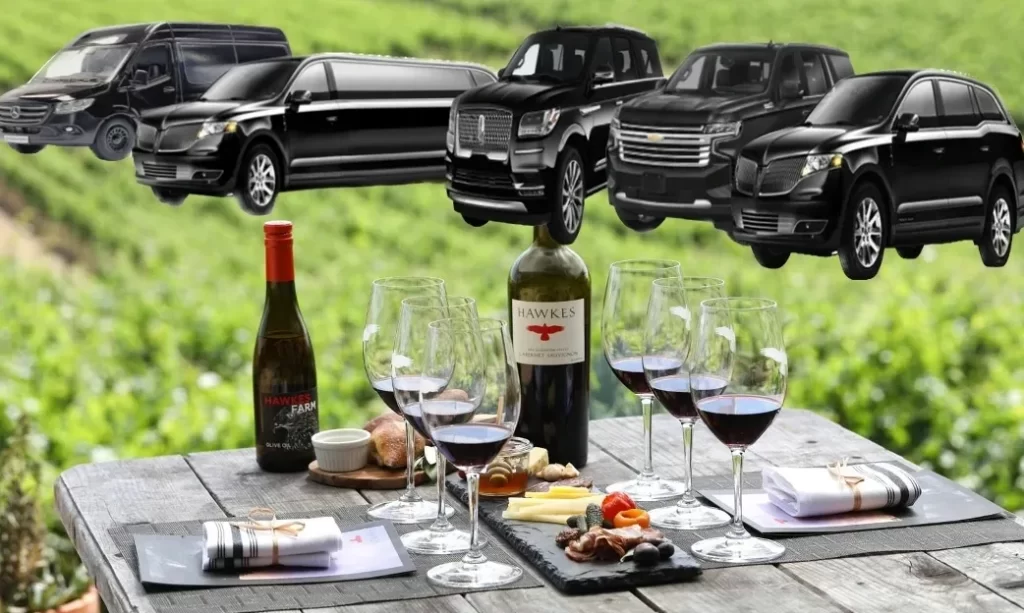
For a multi-stop itinerary, prearranged transportation can help keep the day coordinated. The driver or provider can receive the planned winery addresses and expected timing before the tour begins.
When comparing transportation options, consider:
- The number of passengers
- The vehicle’s actual passenger capacity
- Pickup and return locations
- Total service duration
- Waiting time between tastings
- Additional stops or route changes
- Pricing and cancellation terms
A vehicle that works for a couple may not be suitable for a group of six or eight people. Confirm both passenger seating and luggage or personal-item space when relevant.
Napa Limo can be considered when comparing transportation arrangements for a Napa Valley wine tour. Before booking any provider, confirm availability, the agreed route, service hours, vehicle details, and pricing.
8. Understand the Difference Between Point-to-Point and Hourly Service
Transportation providers may offer different pricing structures. Two common approaches are point-to-point transfers and service booked for a defined number of hours.
A point-to-point transfer generally covers travel between an agreed pickup location and destination. This can suit a simple journey, such as traveling from a hotel to one winery.
A multi-stop wine tour may require a different arrangement because the vehicle needs to support several visits and wait while guests complete tastings.
Hourly or charter-style service may be worth comparing when the group wants transportation between multiple wineries over a set period. The precise terms vary by provider, so ask what the booking includes.
Before selecting an option, confirm whether waiting time is included, how overtime is charged, and whether the route can be changed during the day.
Do not assume that a vehicle will remain available between stops unless this has been agreed in the booking terms.
The best choice depends on the itinerary rather than on the pricing label alone.
9. Set a Realistic Budget
A wine tour budget can include tasting fees, meals, transportation, gratuities, and other planned activities. Some wineries charge per person for tastings, while guided tours and food pairings may have separate prices.
Calculate the expected cost before confirming the schedule. If several wineries charge tasting fees, compare the total cost of the experiences rather than looking at each one independently.
Transportation quotes should be based on the actual itinerary. Include the pickup location, number of passengers, planned service duration, and every winery stop.
Ask providers whether the quote includes applicable fees, waiting time, taxes, and other charges. Confirm the cancellation policy and any required deposit.
For groups sharing expenses, decide in advance how the costs will be divided. A simple estimate per person can make it easier for everyone to understand the expected budget.
If the total becomes too high, consider visiting fewer wineries, selecting a mix of experience types, or choosing locations within a smaller geographic area.
A well-planned tour does not need to include the most expensive tastings or the largest number of stops to be enjoyable.
10. Check Winery Rules Before Arrival
Each winery has its own visitor policies. These may cover reservations, group sizes, children, outside food, pets, photography, and where guests can access the property.
Read the rules before the tour and contact the venue if any requirement is unclear.
If the group is celebrating a birthday, anniversary, or another special occasion, ask whether the winery permits decorations or special arrangements. Do not assume that a private celebration can be added without prior approval.

Some experiences may take place outdoors, so consider weather conditions and the type of clothing needed. Comfortable shoes may be useful for properties with gravel paths or vineyard areas.
Photography policies can also differ. Ask before taking pictures in restricted areas or photographing other visitors.
Following the winery’s instructions helps the group enjoy the experience while respecting the property, staff, and other guests.
11. Prepare for Seasonal and Weather Changes
Napa Valley’s scenery and visitor activity change throughout the year. Weather, harvest-related activity, seasonal events, and reservation demand may influence the tour.
Before the trip, check the forecast and confirm whether each planned experience takes place indoors, outdoors, or in a combination of settings.
If the schedule includes a vineyard walk, dress for the expected conditions and wear appropriate footwear. For warm days, bring suitable sun protection and drink water throughout the day.
During cooler or rainy periods, check whether outdoor portions of a tour may be adjusted. Ask the winery directly if weather could affect the experience.
Travel time can also change with visitor demand and local events. Check routes close to the tour date and allow enough time between appointments.
A flexible schedule helps the group respond to conditions without abandoning the main plan.
12. Make the Itinerary Comfortable for Everyone
Not every guest has the same interests or stamina. Some may want detailed explanations about grape varieties and production methods, while others prefer scenic views and a relaxed tasting.
Before booking, discuss the group’s preferences and select experiences that suit the majority. If one person is especially interested in winemaking, a guided tour may be worthwhile. If the group prefers conversation and a slower pace, seated tastings may be a better fit.

Consider mobility requirements, dietary needs, and any other accommodations when making reservations.
Avoid assuming that everyone will want to visit every winery. If the group has different interests, agree on a shared itinerary that balances those preferences.
It is also important to plan for safe alcohol consumption. Tastings can add up over the course of a day, even when each serving is small. Use suitable transportation, drink water, eat meals, and avoid driving after consuming alcohol.
A comfortable tour allows guests to enjoy the experience without feeling pressured to keep up with an unrealistic schedule.
Sample Napa Valley Multi-Stop Wine Tour Schedule
The following is an illustrative schedule showing how a two-winery day could be organized. Actual times depend on the wineries’ availability, the pickup location, and the duration of each experience.
| Time | Activity |
|---|---|
| 9:00 a.m. | Pickup from the agreed location |
| 10:00 a.m. | Arrive for the first reserved tasting |
| 11:30 a.m. | Depart for lunch or a short break |
| 12:15 p.m. | Lunch near the planned route |
| 1:45 p.m. | Arrive for the second winery experience |
| 3:15 p.m. | Finish the visit and prepare for departure |
| 3:30 p.m. | Begin the return journey or continue to an agreed destination |
This schedule is an example, not a confirmed itinerary or a statement of winery opening hours. Check each venue’s available reservations and allow time for transfers before finalizing the plan.
Multi-Stop Wine Tour Checklist
Use this checklist before your Napa Valley wine tour.
- Choose the type of wine experiences the group prefers.
- Select a manageable number of wineries.
- Organize the stops by geographic location.
- Confirm tasting reservations and group size.
- Check travel times between each destination.
- Schedule lunch and water breaks.
- Arrange transportation for the full itinerary.
- Confirm vehicle capacity and service duration.
- Review prices, waiting time, and cancellation terms.
- Check winery policies and weather conditions.
- Share the itinerary with everyone in the group.
- Arrange a safe return journey.
Final Thoughts
Planning a multi-stop wine tour in Napa Valley involves balancing winery reservations, travel time, meals, transportation, and personal interests. A thoughtful itinerary allows visitors to enjoy each stop without rushing between appointments.
Start by choosing the experiences that matter most, then organize the route around confirmed reservations. Allow time for traffic, check each winery’s visitor policies, and arrange transportation that matches the group’s size and schedule.
Napa Limo can be one option to consider when comparing transportation for a winery-focused day. Confirm all booking details directly with the provider, including availability, vehicle capacity, service duration, and the complete route.
With realistic timing and advance preparation, a Napa Valley wine tour can offer a more relaxed way to discover the region’s wineries and countryside.