How to Plan a Multi-Stop Wine Tour in Napa Valley, California
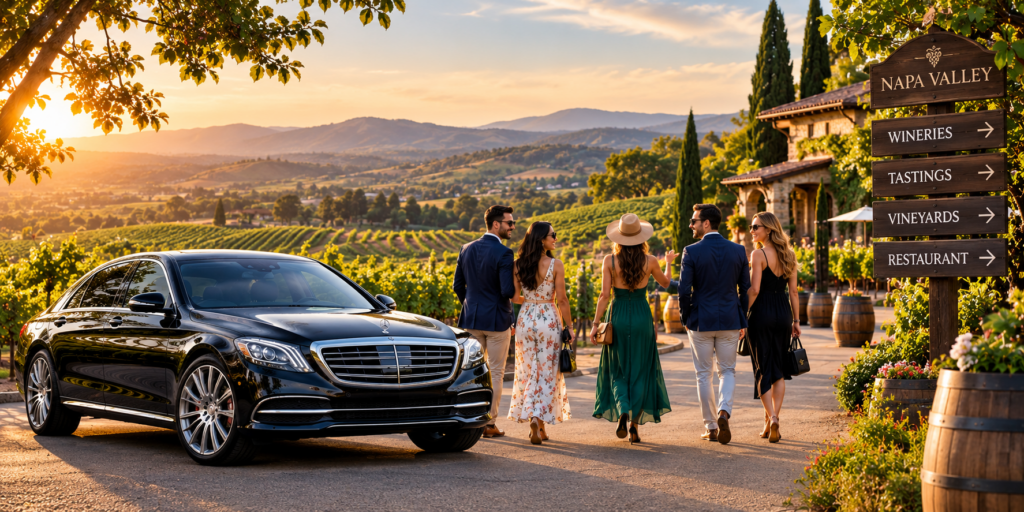
Napa Valley is known for its vineyards, wine tasting rooms, scenic countryside, and winery experiences. Visitors can spend a day exploring different wineries, learning about local wine production, enjoying vineyard views, and discovering the character of individual wine regions. However, visiting several locations in one day requires more planning than choosing a few tasting rooms from a map. A multi-stop wine tour involves coordinating winery reservations, travel time, tasting durations, meal breaks, and transportation between locations. Without a clear schedule, visitors may spend too much time driving, arrive late for reservations, or attempt to fit too many experiences into a single day. Planning ahead can make the trip more comfortable and help travelers enjoy each stop without rushing. This guide explains how to organize a multi-stop Napa Valley wine tour, select wineries, plan the route, and arrange transportation that fits the group’s needs. Why a Multi-Stop Wine Tour Needs a Clear Plan Napa Valley includes several wine-growing areas, with wineries and tasting experiences spread across different communities. Visitors may consider destinations around Napa, Yountville, Oakville, Rutherford, St. Helena, and Calistoga. Although these places are part of the same broader region, traveling between them takes time. Each winery also has its own visitor arrangements. Some offer seated tastings by reservation, while others provide guided tours, food pairings, vineyard walks, or educational experiences about winemaking. Trying to visit too many wineries can make the day feel rushed. A tasting appointment may last longer than expected, lunch can take time, and traffic or parking can affect the schedule. A useful wine tour plan should account for: The goal is not to visit the largest number of wineries. It is to create a realistic itinerary that allows time to enjoy each experience. 1. Decide What Kind of Wine Tour You Want Before choosing wineries, decide what the group wants from the day. Napa Valley offers different types of wine experiences, and the best itinerary depends on personal interests. Classic winery tastings A traditional tasting introduces visitors to a selection of wines. Staff may explain grape varieties, winemaking methods, aromas, and flavor characteristics. Some tastings are held at a bar, while others take place at a reserved table. Seated tasting experiences Seated tastings provide a more structured setting. Visitors can sit together while learning about the wines being served. These experiences may be suitable for groups that prefer a relaxed pace or want to spend more time discussing individual wines. Vineyard and winery tours Some wineries offer guided tours that explain grape growing, harvesting, fermentation, aging, and bottling. These experiences can be useful for visitors interested in the production process, not just tasting the finished wine. Food and wine pairings Food-pairing experiences explore how different foods interact with a wine’s acidity, sweetness, tannins, and other characteristics. Availability and reservation requirements vary by winery. Scenic and educational visits Some visitors prefer beautiful vineyard settings and opportunities to learn about the region’s history. Others want to explore specific grape varieties or compare wines from different parts of Napa Valley. Choose a primary theme before building the itinerary. This makes it easier to select stops that complement one another rather than choosing wineries at random. 2. Choose a Practical Number of Wineries One of the most common planning mistakes is scheduling too many wineries into a single day. The appropriate number depends on the length of each tasting, travel time, meal plans, and the group’s interests. A day with two substantial winery experiences may feel more rewarding than a rushed itinerary involving four or five stops. For a relaxed day, consider beginning with two or three planned winery visits. This gives the group time to enjoy the experiences and allows some flexibility if a reservation takes longer than expected. A simple itinerary could include: This is a planning example, not a guarantee that every winery can accommodate those times. Each venue’s reservation availability and tasting duration must be checked before the schedule is finalized. If the group wants a detailed vineyard tour or a food-pairing experience, allow additional time. These visits may involve more than a short tasting at a counter. A balanced itinerary should leave room to enjoy the wine, ask questions, take photographs where permitted, and move between locations without feeling hurried. 3. Organize Wineries by Location Route planning is one of the most important parts of a multi-stop wine tour. Selecting wineries close to one another can reduce unnecessary driving and give the group more time at each destination. Begin by marking the potential wineries on a map. Then compare their locations and identify a sensible order for the visits. For example, a tour might focus on wineries in the southern part of Napa Valley around Napa and Yountville. Another itinerary could explore the central valley around Oakville, Rutherford, and St. Helena. A longer trip might include Calistoga, but adding distant stops may require extra travel time. These areas offer different options, but individual wineries vary in location and access. Check the exact addresses rather than assuming that every winery in a named community is close to every other one. When planning the route, consider: Avoid planning a route that repeatedly crosses the valley. A geographically sensible sequence can make the day easier to manage. 4. Make Reservations Before Finalizing the Day Many wineries use reservations for tastings and tours. Some may accept walk-in visitors, but availability can vary by date, season, group size, and experience type. Contact each winery or check its official booking information before including it in the itinerary. Confirm the reservation time, tasting duration, number of guests, price, and cancellation policy. Also ask whether the winery has specific arrival instructions. Some experiences require guests to check in before the scheduled time, and late arrivals may affect the tasting. If the group includes several people, confirm that the winery can accommodate the full party. A venue may offer different reservation options for small groups and larger parties. Once the reservations are confirmed, arrange the route around those fixed times. This is