How to Plan a Multi-Stop Wine Tour in Napa Valley, California
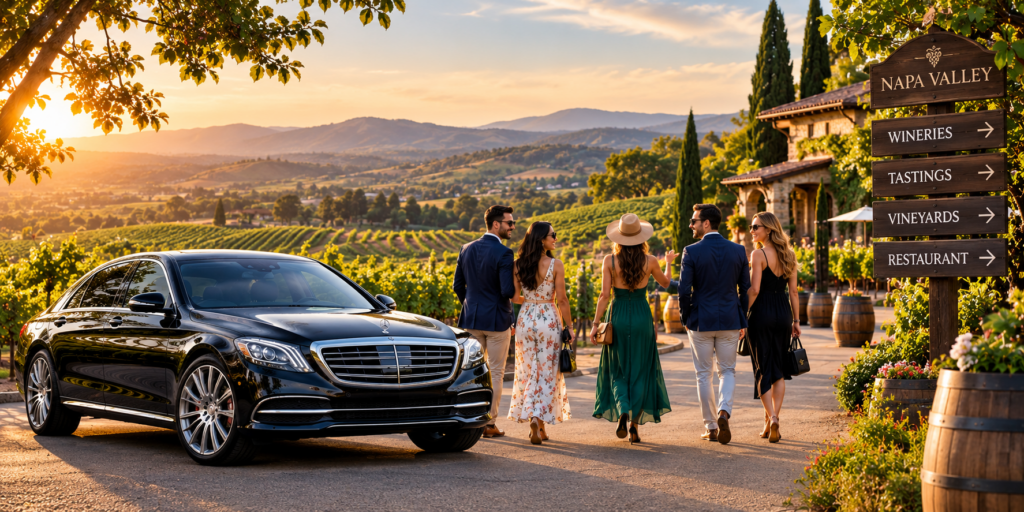
Napa Valley is known for its vineyards, wine tasting rooms, scenic countryside, and winery experiences. Visitors can spend a day exploring different wineries, learning about local wine production, enjoying vineyard views, and discovering the character of individual wine regions. However, visiting several locations in one day requires more planning than choosing a few tasting rooms from a map. A multi-stop wine tour involves coordinating winery reservations, travel time, tasting durations, meal breaks, and transportation between locations. Without a clear schedule, visitors may spend too much time driving, arrive late for reservations, or attempt to fit too many experiences into a single day. Planning ahead can make the trip more comfortable and help travelers enjoy each stop without rushing. This guide explains how to organize a multi-stop Napa Valley wine tour, select wineries, plan the route, and arrange transportation that fits the group’s needs. Why a Multi-Stop Wine Tour Needs a Clear Plan Napa Valley includes several wine-growing areas, with wineries and tasting experiences spread across different communities. Visitors may consider destinations around Napa, Yountville, Oakville, Rutherford, St. Helena, and Calistoga. Although these places are part of the same broader region, traveling between them takes time. Each winery also has its own visitor arrangements. Some offer seated tastings by reservation, while others provide guided tours, food pairings, vineyard walks, or educational experiences about winemaking. Trying to visit too many wineries can make the day feel rushed. A tasting appointment may last longer than expected, lunch can take time, and traffic or parking can affect the schedule. A useful wine tour plan should account for: The goal is not to visit the largest number of wineries. It is to create a realistic itinerary that allows time to enjoy each experience. 1. Decide What Kind of Wine Tour You Want Before choosing wineries, decide what the group wants from the day. Napa Valley offers different types of wine experiences, and the best itinerary depends on personal interests. Classic winery tastings A traditional tasting introduces visitors to a selection of wines. Staff may explain grape varieties, winemaking methods, aromas, and flavor characteristics. Some tastings are held at a bar, while others take place at a reserved table. Seated tasting experiences Seated tastings provide a more structured setting. Visitors can sit together while learning about the wines being served. These experiences may be suitable for groups that prefer a relaxed pace or want to spend more time discussing individual wines. Vineyard and winery tours Some wineries offer guided tours that explain grape growing, harvesting, fermentation, aging, and bottling. These experiences can be useful for visitors interested in the production process, not just tasting the finished wine. Food and wine pairings Food-pairing experiences explore how different foods interact with a wine’s acidity, sweetness, tannins, and other characteristics. Availability and reservation requirements vary by winery. Scenic and educational visits Some visitors prefer beautiful vineyard settings and opportunities to learn about the region’s history. Others want to explore specific grape varieties or compare wines from different parts of Napa Valley. Choose a primary theme before building the itinerary. This makes it easier to select stops that complement one another rather than choosing wineries at random. 2. Choose a Practical Number of Wineries One of the most common planning mistakes is scheduling too many wineries into a single day. The appropriate number depends on the length of each tasting, travel time, meal plans, and the group’s interests. A day with two substantial winery experiences may feel more rewarding than a rushed itinerary involving four or five stops. For a relaxed day, consider beginning with two or three planned winery visits. This gives the group time to enjoy the experiences and allows some flexibility if a reservation takes longer than expected. A simple itinerary could include: This is a planning example, not a guarantee that every winery can accommodate those times. Each venue’s reservation availability and tasting duration must be checked before the schedule is finalized. If the group wants a detailed vineyard tour or a food-pairing experience, allow additional time. These visits may involve more than a short tasting at a counter. A balanced itinerary should leave room to enjoy the wine, ask questions, take photographs where permitted, and move between locations without feeling hurried. 3. Organize Wineries by Location Route planning is one of the most important parts of a multi-stop wine tour. Selecting wineries close to one another can reduce unnecessary driving and give the group more time at each destination. Begin by marking the potential wineries on a map. Then compare their locations and identify a sensible order for the visits. For example, a tour might focus on wineries in the southern part of Napa Valley around Napa and Yountville. Another itinerary could explore the central valley around Oakville, Rutherford, and St. Helena. A longer trip might include Calistoga, but adding distant stops may require extra travel time. These areas offer different options, but individual wineries vary in location and access. Check the exact addresses rather than assuming that every winery in a named community is close to every other one. When planning the route, consider: Avoid planning a route that repeatedly crosses the valley. A geographically sensible sequence can make the day easier to manage. 4. Make Reservations Before Finalizing the Day Many wineries use reservations for tastings and tours. Some may accept walk-in visitors, but availability can vary by date, season, group size, and experience type. Contact each winery or check its official booking information before including it in the itinerary. Confirm the reservation time, tasting duration, number of guests, price, and cancellation policy. Also ask whether the winery has specific arrival instructions. Some experiences require guests to check in before the scheduled time, and late arrivals may affect the tasting. If the group includes several people, confirm that the winery can accommodate the full party. A venue may offer different reservation options for small groups and larger parties. Once the reservations are confirmed, arrange the route around those fixed times. This is
Napa Wine Tasting Tours: Discover California’s Famous Wine Country
Wine country in Northern California is known for scenic vineyards, historic wineries, tasting rooms, agricultural landscapes, and carefully produced wines. For travelers planning Napa Wine Tours, the experience can involve much more than visiting a winery and tasting a few wines. A well-planned wine tour can include vineyard visits, cellar experiences, food pairings, scenic drives, and time in several wine-growing communities. Napa Valley and Sonoma County are two of the best-known wine regions in California. Although they are geographically close, each destination has its own character, wineries, grape-growing areas, and tasting experiences. Visitors may also explore other California wine regions, including Paso Robles, Santa Barbara County, Livermore Valley, and the Russian River Valley. For travelers interested in Wine Tours Napa, understanding how the region works can make planning easier. Winery locations, tasting reservations, travel time, group size, transportation, and the type of wine experience all affect the structure of a tour. Napa Limo provides wine tour transportation for travelers who want to explore California wine country while keeping transportation separate from the rest of their itinerary. What Are Napa Wine Tours? Napa Wine Tours are organized visits to wineries, vineyards, tasting rooms, and other wine-related destinations throughout Napa Valley. Depending on the itinerary, a tour may include two or more wineries, a restaurant stop, vineyard sightseeing, or a visit to a historic wine estate. Napa Valley is relatively compact compared with many other wine regions, but travel time between wineries can still vary. The valley stretches from the city of Napa toward Calistoga, passing through communities such as Yountville, Oakville, Rutherford, and St. Helena. Each area offers different scenery and winery experiences. For example: A wine tour itinerary can therefore be designed around geography as well as personal interests. Napa Wine Tasting Tours Napa Wine Tasting Tours generally involve scheduled visits where guests sample several wines and learn about winemaking. Tastings may take place in dedicated tasting rooms, historic estates, vineyard settings, or modern winery facilities. A tasting appointment may include several wines from a producer’s portfolio. Depending on the winery, guests may learn about: Cabernet Sauvignon is strongly associated with Napa Valley, but the region produces many other varieties, including Chardonnay, Sauvignon Blanc, Merlot, Pinot Noir, Zinfandel, and Cabernet Franc. A tasting experience can therefore be quite different from one winery to another. Some wineries emphasize the agricultural side of wine production, while others focus on architecture, history, food pairing, or cellar operations. Planning Wine Tours Napa Planning Wine Tours Napa requires more than simply selecting several wineries on a map. Winery policies, reservations, opening hours, driving distances, tasting durations, and meal breaks should all be considered. Many wineries operate by appointment, particularly for specific tasting experiences. Travelers should check the winery’s current reservation requirements before building an itinerary. A practical Napa itinerary may include two or three winery visits rather than attempting to visit as many locations as possible. For example, a day could be structured as: Morning:Depart from the starting location and visit a winery in the southern or central Napa Valley. Midday:Enjoy lunch in Yountville, St. Helena, or another nearby community. Afternoon:Visit another winery or vineyard and allow time for a tasting experience. Late afternoon:Return toward Napa or the original destination. This type of schedule provides time for tasting, meals, photography, and travel without making the day unnecessarily rushed. California Wine Tours Beyond Napa Although Napa Valley receives significant attention, California Wine Tours can cover a much larger geographic area. California has numerous American Viticultural Areas (AVAs), each with different climates, soils, elevations, grape varieties, and wine-making traditions. Popular California wine destinations include: The differences between these regions can make California wine travel particularly interesting. For example, coastal influence can affect temperatures in Sonoma and Santa Barbara County, while inland areas may experience warmer growing conditions. Travelers who are interested in wine beyond Napa can build multi-region itineraries, although additional travel time should be included. Find Sonoma California Wine Tours Sonoma California Wine Tours offer another way to explore Northern California wine country. Sonoma County is geographically diverse. It includes coastal areas, valleys, forested landscapes, vineyards, and agricultural communities. Some notable wine areas within Sonoma County include: Different parts of Sonoma are associated with different varieties and growing conditions. Russian River Valley, for example, is well known for Pinot Noir and Chardonnay. Alexander Valley has a strong reputation for Cabernet Sauvignon and other varieties. Sonoma town also has historical significance and provides access to tasting rooms, restaurants, and nearby wineries. A Sonoma California Wine Tour can therefore be organized around a particular grape variety, geographic area, winery style, or combination of sightseeing and wine tasting. California Vineyard Tours California Vineyard Tours provide travelers with an opportunity to see where grapes are grown rather than focusing only on the tasting room. Vineyards change throughout the year. During the growing season, vines develop leaves and grape clusters. Harvest typically takes place later in the growing cycle, while winter brings a quieter appearance after pruning. A vineyard visit may explain: The physical landscape is an important part of the wine-country experience. The Mayacamas Mountains and Vaca Range surrounding Napa Valley also contribute to the region’s distinctive geography. Sonoma’s landscape is similarly influenced by coastal conditions and mountain ranges. California Napa Valley Wine Tour A California Napa Valley Wine Tour can combine winery visits with sightseeing throughout the valley. Napa Valley is approximately 30 miles long and relatively narrow, creating a corridor where several well-known wine communities are located close to one another. A typical route may pass through: Napa → Yountville → Oakville → Rutherford → St. Helena → Calistoga However, travelers do not necessarily need to visit every community in one day. Choosing wineries located within the same general area can reduce unnecessary driving and create more time for the actual experience. For example, a traveler interested in wineries around St. Helena may build an itinerary centered on that part of the valley instead of crossing the region repeatedly. This geographic approach is particularly useful for groups.
How to Plan the Best Napa Valley Group Wine Tour

Napa Valley is one of the most recognized wine regions in California and a popular destination for travelers who want to experience vineyards, wine tasting, scenic landscapes, and local food. From small groups of friends to organized wine enthusiast clubs, Napa offers many ways to plan a wine-focused trip. For travelers comparing the best value group travel packages for wine enthusiasts, the main question is not simply how much a tour costs. Value also depends on transportation, group size, tasting fees, itinerary flexibility, winery selection, travel time, and the overall experience. A well-planned group wine tour can make it easier to visit several wineries without worrying about driving between locations. This is particularly useful for groups interested in tasting wine at multiple properties during the same day. Napa Limo provides a transportation option for travelers considering private wine tours, group wine tours, winery visits, and special occasions in Napa Valley. This guide explains how group wine travel works, what affects the cost, what to consider when comparing packages, and how to plan a private wine experience. Understanding Napa Valley Wine Tours Napa Valley is home to numerous wineries and tasting rooms spread across communities such as Napa, Yountville, St. Helena, and Calistoga. Each area has its own character, and wineries may have different tasting formats, reservation requirements, and schedules. A traditional Napa wine tour may include visits to two, three, or more wineries in a single day. Depending on the itinerary, travelers may experience vineyard views, tasting rooms, wine education, cellar areas, and food pairings. For groups, transportation becomes an important part of the planning process. Rather than having different people drive separate vehicles, a group can travel together in a limousine, luxury SUV, passenger van, or another suitable vehicle. This is one reason Napa wine tours for large groups require more planning than an individual wine-tasting visit. The group needs to consider: Planning these details in advance can make the day easier to manage. Private Wine Tours Napa Valley: What Makes Them Different? Private wine tours Napa Valley experiences are designed for a specific group rather than a mixed group of unrelated travelers. This gives the travelers greater control over the itinerary. For example, a private group might choose to visit a combination of boutique wineries and larger estates. Another group may prefer a relaxed schedule with fewer tasting appointments and more time at each location. Private transportation can also make it easier to coordinate pickup and return times. Instead of meeting at a central departure point, travelers may arrange transportation from a hotel, vacation rental, residence, or another agreed location. A private itinerary may include areas such as: The best route depends on winery appointments and the group’s interests. Private Wine Tasting Napa: What Should You Expect? A private wine tasting Napa experience generally offers a more focused setting than a busy public tasting environment. Some wineries offer private tasting rooms, seated tastings, reserve wine experiences, vineyard tours, or food-and-wine pairings. The exact experience varies by winery. Some may focus on Cabernet Sauvignon, while others specialize in Chardonnay, Pinot Noir, sparkling wine, or Rhône-style varieties. Travelers should check tasting policies before building an itinerary. Some wineries require advance reservations, while others may have limited availability for large parties. It is also important to understand what the tasting fee covers. A tasting fee may include several wine samples, a seated presentation, a vineyard experience, or a food pairing. Prices vary widely depending on the winery and tasting format. How Much Is a Wine Tasting? One of the most common questions from visitors is, how much is a wine tasting? There is no single price for Napa Valley wine tasting. Fees depend on the winery, tasting level, number of wines, location, and whether the experience includes food or a private host. Basic tasting experiences can be relatively affordable, while premium or private experiences may cost significantly more per person. For a group trip, tasting fees should be included in the overall travel budget rather than treated as an unexpected expense. For example, a group’s estimated budget could include: Because winery prices and policies can change, travelers should confirm current fees directly with each winery before finalizing a 2025 itinerary. Best Value Group Travel Packages for Wine Enthusiast Clubs Wine enthusiast clubs often have different needs from casual groups. Members may already have knowledge of wine and may be more interested in the production process, vineyard conditions, grape varieties, and winery history. For these travelers, the best value group travel packages for wine enthusiast clubs should focus on the quality and relevance of the itinerary rather than simply maximizing the number of winery stops. A group could spend less time rushing between locations and more time experiencing selected wineries. For example, an itinerary might include: Morning:Pickup from a Napa Valley hotel and travel to the first winery. Late morning:Seated tasting and vineyard discussion. Lunch:A meal at a local restaurant or winery-approved location. Afternoon:Two additional winery appointments. Late afternoon:Return transportation through Napa Valley. This type of schedule can provide a balance between wine education, sightseeing, food, and relaxation. Wine clubs should also consider the interests of their members before selecting wineries. A group interested in Cabernet Sauvignon may want a different itinerary from a group focused on sparkling wines or organic and sustainable production. Napa Wine Tours for Large Groups Planning Napa wine tours for large groups requires careful coordination. Large groups may have fewer winery options because some tasting rooms have strict capacity limits. A winery that can easily accommodate six people may not be able to host 15, 20, or more guests at the same time. For this reason, group size should be confirmed before making reservations. Transportation should also match the number of passengers. A vehicle that is comfortable for eight travelers may not be appropriate for a much larger group. Depending on the party size, transportation could involve: The objective is to select a vehicle that provides sufficient seating and luggage or personal-item space while fitting the