When planning a trip to California Wine Country, one of the first questions many travelers ask is, “How much do Napa Valley wine tours cost?” Understanding the average cost of wine tours, winery tasting fees, and transportation options helps visitors create a realistic budget before traveling.
Napa Valley is one of the world’s most famous wine destinations. Every year, millions of visitors explore its scenic vineyards, luxury wineries, historic estates, and charming towns. Whether you are visiting for a romantic getaway, family vacation, corporate outing, or weekend escape, knowing what to expect financially makes the experience much smoother.
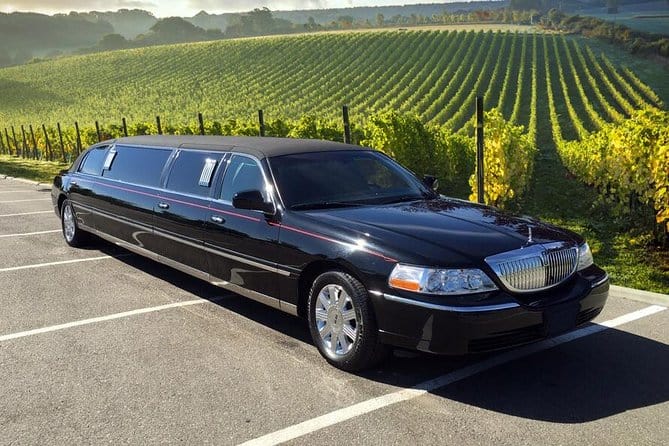
This guide explains everything about Napa Valley wine tours cost, wine tasting cost, Napa Valley wine tour packages, wine tours Napa Valley packages, and answers the common question, “Where is Wine Country California?” Throughout this article, the company Napa Limo is referenced as a transportation provider while keeping the focus on providing educational and useful information rather than promotional content.
Where Is Wine Country California?
California Wine Country generally refers to the northern part of California where wine grapes are grown on a large scale. The two best-known wine regions are:
- Napa Valley
- Sonoma County
Together, these regions produce some of America’s highest-rated wines. Visitors also explore nearby wine regions such as:
- Carneros
- Alexander Valley
- Russian River Valley
- Dry Creek Valley
- Livermore Valley
- Mendocino County
- Paso Robles
- Santa Barbara Wine Country
Among them, Napa Valley remains the most recognized destination due to its award-winning wineries, luxury resorts, gourmet restaurants, and beautiful vineyard landscapes.
Located approximately one hour north of San Francisco, Napa Valley stretches for about 30 miles and includes several well-known towns such as:
- Napa
- Yountville
- Oakville
- Rutherford
- St. Helena
- Calistoga
Each area offers unique tasting experiences, local restaurants, boutique hotels, and vineyard tours.
Why Napa Valley Is Famous Worldwide
Napa Valley has earned an international reputation because of its ideal climate, fertile soil, and centuries of winemaking tradition.
The region is particularly known for producing:
- Cabernet Sauvignon
- Chardonnay
- Sauvignon Blanc
- Merlot
- Pinot Noir
- Zinfandel
Many wineries have received global recognition for producing premium wines that consistently rank among the world’s best.
Besides wine, Napa Valley is known for:
- Rolling vineyards
- Hot air balloon rides
- Luxury spas
- Michelin-star restaurants
- Farm-to-table dining
- Scenic countryside roads
- Historic wineries
- Boutique tasting rooms
These attractions make Napa Valley one of California’s most visited travel destinations.
Understanding Napa Valley Wine Tours Cost
One of the biggest factors when planning a wine country vacation is understanding the overall tour cost.
The total price usually includes several services rather than just transportation.
Typical wine tour expenses include:
- Transportation
- Winery reservations
- Wine tasting fees
- Lunch or dinner
- Private guide (optional)
- Gratuities
- Additional wine purchases
Depending on the itinerary, wine tour prices can vary significantly.
Average Napa Valley Wine Tour Costs
| Tour Type | Estimated Cost |
|---|---|
| Self-guided wine tour | $50–$200+ |
| Group wine tour | $125–$250 per person |
| Small group tour | $175–$350 per person |
| Private wine tour | $500–$1,500+ |
| Luxury chauffeur wine tour | Depends on vehicle, duration, and itinerary |
These figures vary depending on:
- Number of wineries visited
- Vehicle type
- Tour duration
- Day of the week
- Season
- Included amenities
What Affects Napa Valley Wine Tour Prices?
Several factors influence the total cost of a wine tour.

1. Number of Wineries
Some tours include:
- Two wineries
Others include:
- Three wineries
Premium tours may include:
- Four to six winery visits
The more wineries included, the higher the overall price.
2. Tour Length
Wine tours are available in different durations.
Common options include:
- Half-day tours
- Six-hour tours
- Eight-hour tours
- Full-day experiences
Longer tours generally cost more because of increased transportation time.
3. Transportation
Transportation is one of the largest expenses.
Visitors often choose:
- Luxury sedans
- SUVs
- Executive vans
- Stretch limousines
- Sprinter vans
- Shuttle buses
Companies like Napa Limo provide chauffeur-driven transportation, allowing guests to visit multiple wineries without worrying about driving or parking.
4. Group Size
Prices change depending on the number of travelers.
Examples include:
- Couples
- Families
- Friends
- Corporate groups
- Wedding parties
Larger groups often split transportation costs, making private tours more affordable per person.
5. Winery Selection
Every winery has different pricing.
Boutique wineries may charge one fee.
Luxury estates often charge significantly higher tasting fees because they include:
- Reserve wines
- Private tastings
- Food pairings
- Vineyard walks
- Educational presentations
Wine Tasting Cost Explained
Many visitors assume wine tastings are free.
Years ago, complimentary tastings were common.
Today, most Napa Valley wineries charge tasting fees.
The average wine tasting cost depends on several factors:
- Winery reputation
- Number of wines served
- Reserve selections
- Food pairings
- Guided experiences
Typical tasting fees include:
Basic tasting:
$25–$45
Premium tasting:
$50–$90
Reserve tasting:
$100–$200+
Private tasting experiences may exceed several hundred dollars depending on the winery.
Napa Winery Tasting Fee: What Does It Include?
When paying a winery tasting fee, guests typically receive:
- Four to six wine samples
- Professional presentation
- Information about grape varieties
- Vineyard history
- Winemaking process
- Food pairing recommendations
Premium experiences may also include:
- Barrel tastings
- Estate tours
- Vineyard walks
- Cellar access
- Cheese pairings
- Chocolate pairings
- Artisan food experiences
Are Napa Winery Tasting Fees Refundable?
Many wineries apply tasting fees toward bottle purchases.
For example:
If guests purchase a certain number of bottles, the winery may waive part or all of the tasting fee.
Policies differ from one winery to another.
Visitors should check each winery’s reservation page before booking.
Wine Tours Napa Valley Packages
Wine tour packages combine several services into one booking.
Instead of arranging transportation, reservations, and winery visits separately, many travelers choose complete packages.
A typical package may include:
- Chauffeur transportation
- Scheduled winery visits
- Reservation assistance
- Scenic routes
- Flexible itinerary
- Pickup and drop-off
- Local knowledge
Some packages also include lunch stops or restaurant reservations.
Napa Valley Wine Tour Packages
Not every wine tour package offers the same experience.
Visitors can choose from different styles depending on their interests and budget.
Common package types include:
Classic Wine Tour
Usually includes:
- Two or three wineries
- Shared transportation
- Standard tastings
Ideal for first-time visitors.
Private Wine Tour
Designed for:
- Couples
- Families
- Small groups
Benefits include:
- Flexible schedule
- Personalized itinerary
- More privacy
- Comfortable transportation
Luxury Wine Tour
Luxury experiences may include:
- Premium wineries
- Reserve tastings
- Gourmet dining
- Chauffeur service
- High-end vehicles
These tours generally have higher overall costs due to exclusive winery access and premium services.
Custom Wine Tour
Custom packages allow guests to:
- Select preferred wineries
- Choose departure time
- Visit favorite towns
- Adjust the schedule
- Add lunch or dinner stops
This option offers greater flexibility compared to fixed itineraries.
Popular Napa Valley Towns Included in Wine Tours
Many wine tour packages travel through several well-known communities, each offering a distinct atmosphere and selection of wineries.
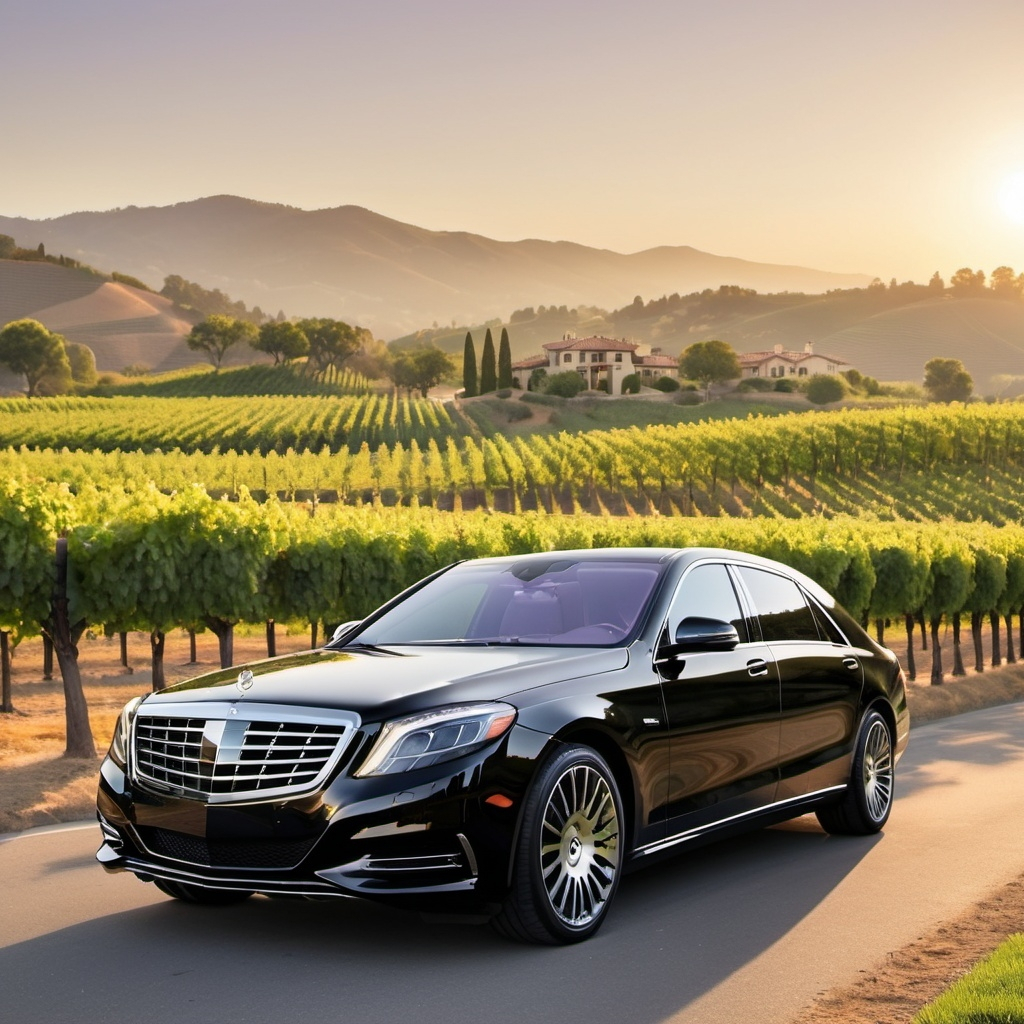
Napa serves as the gateway to the valley, featuring tasting rooms, restaurants, and cultural attractions. Yountville is known for fine dining and boutique wineries. Oakville and Rutherford are celebrated for world-class Cabernet Sauvignon vineyards. St. Helena combines historic wineries with charming shopping areas, while Calistoga is famous for hot springs, spa resorts, and relaxed wine tasting experiences.
Exploring multiple towns allows visitors to experience the diversity of Napa Valley’s wine culture, scenery, and hospitality.
Planning Your Wine Tour Budget
Creating a budget before your trip helps avoid unexpected expenses. Consider costs for transportation, tasting fees, meals, gratuities, and any wine purchases you may want to make. Booking reservations in advance, traveling with a group to share transportation costs, and selecting wineries that match your budget can all help make your visit more enjoyable and cost-effective.
Comparing Napa Wine Tour Packages
Choosing the right wine tour package depends on your travel style, budget, and interests. While some visitors prefer a relaxed day with two winery visits, others want to experience several wineries, vineyard tours, and gourmet dining in a single day.
When comparing wine tours Napa Valley packages, consider these factors:
Number of Winery Visits
Most packages include between two and four wineries. Visiting more wineries may sound appealing, but remember that each tasting takes time. A balanced itinerary often provides a more enjoyable experience.
Transportation Type
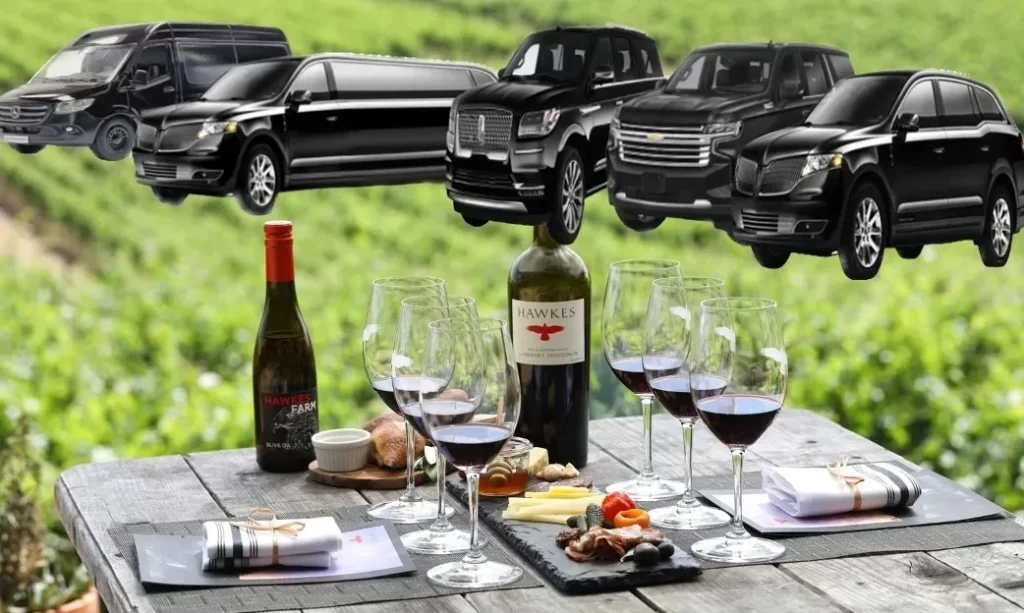
Transportation plays an important role in the overall experience. Common options include:
- Luxury sedan
- Executive SUV
- Stretch limousine
- Mercedes-Benz Sprinter Van
- Executive shuttle
- Mini coach for larger groups
Professional chauffeur services, such as those offered by Napa Limo, help visitors travel safely between wineries without the need for a designated driver.
Included Experiences
Some packages include more than transportation and wine tastings. Depending on the provider and itinerary, visitors may enjoy:
- Guided vineyard walks
- Cellar tours
- Food and wine pairings
- Olive oil tastings
- Artisan cheese tastings
- Gourmet lunch stops
- Scenic photography locations
Understanding exactly what is included helps travelers compare overall value rather than focusing only on the initial price.
Self-Guided vs. Guided Wine Tours
One of the biggest decisions visitors make is whether to plan a self-guided trip or book a guided wine tour.
Self-Guided Wine Tours
Advantages include:
- Flexible schedule
- Choose your own wineries
- Lower transportation costs if driving
- Freedom to explore local attractions
Challenges include:
- Driving responsibilities
- Parking at wineries
- Coordinating reservations
- Limited wine tasting if someone must drive
Guided Wine Tours
Benefits include:
- Professional chauffeur
- Planned itinerary
- Local knowledge
- No driving concerns
- Relaxed travel experience
- Easier winery reservations
Guided tours are especially popular among first-time visitors, couples, corporate groups, and travelers unfamiliar with Napa Valley roads.
Wine Tasting Cost: Ways to Stay Within Budget
Wine tasting costs can add up quickly, especially when visiting several wineries in one day. Fortunately, there are practical ways to manage your expenses while still enjoying a memorable experience.
Helpful tips include:
- Visit a mix of boutique and well-known wineries.
- Limit your itinerary to two or three wineries per day.
- Look for wineries that waive tasting fees with bottle purchases.
- Book tasting reservations in advance.
- Share premium tasting experiences when allowed.
- Travel during weekdays when availability is often better.
- Compare tasting menus before booking.
Planning ahead can help visitors enjoy more wineries without exceeding their budget.
Best Time to Visit Napa Valley
Napa Valley is beautiful throughout the year, but each season offers a different experience.
Spring (March to May)
Spring brings green vineyards, blooming flowers, and mild weather. It is an excellent season for sightseeing and vineyard photography.
Summer (June to August)
Summer is one of the busiest travel seasons. Warm temperatures make it ideal for outdoor tastings, though reservations are highly recommended due to increased visitor numbers.
Harvest Season (August to October)
Harvest is considered one of the most exciting times to visit Napa Valley. Vineyards are full of activity as grapes are picked and processed. Many visitors enjoy seeing the winemaking process firsthand.
Winter (November to February)
Winter is generally quieter, making it easier to secure winery reservations. Cooler temperatures and fewer crowds create a more relaxed atmosphere for tasting experiences.
Popular Wine Varieties Found in Napa Valley
Napa Valley is home to many grape varieties that thrive in its Mediterranean climate.
Some of the most recognized wines include:
- Cabernet Sauvignon
- Chardonnay
- Pinot Noir
- Sauvignon Blanc
- Merlot
- Zinfandel
- Syrah
- Cabernet Franc
- Malbec
- Petit Verdot
Each winery may specialize in different grape varieties, giving visitors an opportunity to compare flavors and winemaking styles throughout the region.
Famous Napa Valley Wine Regions
Napa Valley contains several American Viticultural Areas (AVAs), each with unique growing conditions.
Popular AVAs include:
- Oakville
- Rutherford
- Stags Leap District
- Howell Mountain
- Spring Mountain District
- Atlas Peak
- Calistoga
- Yountville
- Carneros
- Mount Veeder
Each AVA is known for producing wines with distinct characteristics influenced by soil, climate, and elevation.
Transportation Tips for Wine Tours
Reliable transportation is an important part of any wine country visit. Since wine tastings often involve multiple stops, many travelers prefer chauffeur-driven transportation rather than driving themselves.
Common transportation choices include:
- Luxury sedans for couples
- SUVs for families
- Executive vans for small groups
- Stretch limousines for celebrations
- Sprinter vans for corporate outings
- Mini coaches for larger parties
Companies such as Napa Limo provide transportation that allows visitors to focus on the wineries, scenic views, and overall experience without worrying about navigation or parking.
Additional Costs to Consider
Besides tour prices and tasting fees, visitors should include a few other expenses when planning their trip.
These may include:
- Restaurant meals
- Hotel accommodations
- Gratuities
- Wine shipping charges
- Souvenirs
- Wine bottle purchases
- Event tickets
- Spa experiences
Having a complete budget helps avoid unexpected costs during your visit.
Helpful Tips for First-Time Visitors
If this is your first visit to Napa Valley, these suggestions can help you make the most of your trip:
- Book winery reservations early.
- Wear comfortable shoes for walking through vineyards.
- Stay hydrated throughout the day.
- Eat before and during wine tastings.
- Pace yourself when visiting multiple wineries.
- Bring a camera to capture vineyard scenery.
- Ask winery staff questions about the wines and production process.
- Purchase wine only after tasting and comparing different styles.
A little preparation goes a long way toward creating a relaxing and enjoyable wine country experience.
Frequently Asked Questions
How much do Napa Valley wine tours cost?
Prices vary depending on transportation, wineries visited, and included services. Group tours often start around $125 per person, while private luxury tours may cost $500 to $1,500 or more.
What is the average wine tasting cost?
Standard tastings usually range from $25 to $45, while premium experiences can range from $50 to over $200 depending on the winery.
Where is California Wine Country?
California Wine Country is primarily located in Northern California and includes Napa Valley, Sonoma County, and several other renowned wine-growing regions.
Are reservations required for Napa wineries?
Many wineries require advance reservations, especially on weekends and during harvest season.
How many wineries should I visit in one day?
Most visitors find that two to four wineries provide a comfortable pace while allowing enough time to enjoy each tasting experience.
What transportation is recommended for wine tours?
Luxury sedans, SUVs, Sprinter vans, and limousine services are common options. Professional chauffeur services can make visiting multiple wineries more convenient.
Conclusion
Understanding Napa Valley wine tours cost helps travelers plan an enjoyable and well-organized visit to one of the world’s most celebrated wine destinations. From learning where California Wine Country is located to comparing Napa Valley wine tour packages, understanding wine tasting costs, and reviewing Napa winery tasting fees, visitors can make informed decisions that fit their preferences and budget.
Napa Valley offers a wide variety of experiences, including boutique wineries, historic vineyards, luxury estates, scenic drives, and award-winning restaurants. Whether traveling as a couple, family, group of friends, or corporate team, planning transportation, winery reservations, and tasting experiences in advance contributes to a smooth and memorable trip.
For travelers who prefer not to drive between wineries, transportation providers such as Napa Limo offer chauffeur services that complement a wine country itinerary while allowing guests to focus on the experience itself.