Planning a wine tour in Napa Valley involves more than choosing which wineries to visit. Visitors must also decide how they want to experience each winery. Some prefer a seated tasting with a host, others enjoy tasting at a counter, and some want a guided tour that explains how grapes are grown and wine is produced.
Each experience offers a different balance of education, comfort, time, and interaction. Understanding these differences helps travelers build an itinerary that matches their interests, budget, and available schedule.
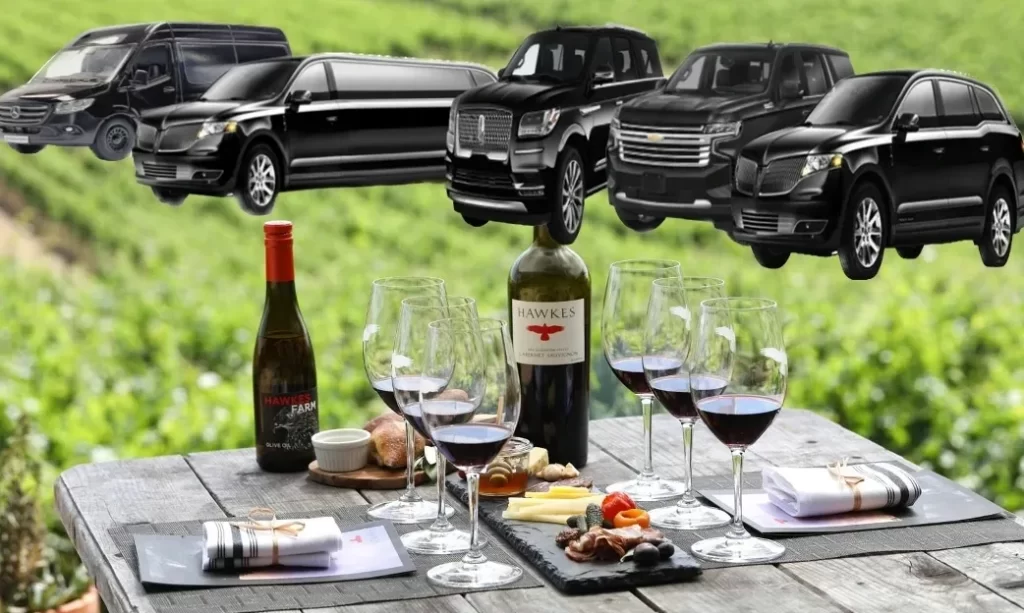
Napa Valley has a diverse wine tourism landscape, with wineries offering structured tastings, vineyard visits, cellar experiences, and educational tours. Reservations, tasting formats, and visitor policies can vary by winery, so it is helpful to understand the options before finalizing a route.
This guide compares seated wine tastings, bar tastings, and guided winery tours to help visitors plan a more organized Napa Valley wine experience.
What Is a Seated Wine Tasting?
A seated wine tasting is an appointment in which guests are generally assigned a table or designated seating area. A host may present several wines in a planned sequence and explain details about each selection.
Depending on the winery, the experience may include information about grape varieties, winemaking methods, vineyard conditions, wine regions, and food pairings.
A seated tasting often follows a set schedule, making it useful for visitors who prefer a structured experience instead of moving between different tasting areas.
Benefits of seated tastings
A more relaxed pace: Guests can remain in one place while the host introduces the wines. This can be helpful for couples, small groups, and visitors who prefer a quieter setting.
More time for questions: A guided presentation may allow guests to ask about tasting notes, wine styles, production methods, and the winery’s approach.
A planned selection: Some seated experiences feature a specific collection of wines or a themed flight, helping visitors compare different styles.
A comfortable group setting: Seating can be convenient for multigenerational groups or visitors who want a break between stops.
What should you check before booking?
Not every seated tasting includes the same features. Before making a reservation, check the duration, number of wines, tasting fee, group size, and whether food is included.
Ask whether the tasting is hosted privately or shared with other visitors. Some experiences may be more personalized than others.
Also confirm the winery’s cancellation policy and arrival instructions. A late arrival may affect the experience or the time available for your appointment.
What Is a Bar Tasting?
A bar tasting typically takes place at a winery’s tasting counter or bar. Visitors stand or sit at the counter, depending on the venue, while a host or staff member introduces a selection of wines.
This format can suit travelers who want a relatively straightforward introduction to a winery without committing to a longer tour.
The exact experience depends on the property. Some tasting bars offer structured flights, while others provide a more conversational format.
Benefits of bar tastings
A flexible format: Bar tastings can be convenient when visitors want to explore several wine styles during a trip.
Direct interaction with staff: Guests can ask questions about individual wines, grape varieties, and the winery’s offerings.
A shorter visit may be possible: Some bar tastings take less time than a comprehensive winery tour, although the actual duration depends on the venue.
Useful for comparing wines: A tasting flight may let visitors sample different varietals or blends in one session.
What should you check before booking?
Find out whether the winery accepts walk-ins or requires reservations. Do not assume that a bar tasting is automatically available without an appointment.
Check the tasting fee, flight options, seating arrangements, and expected visit duration. Some wineries have limited tasting space or operate by appointment only.
If anyone in your group prefers to sit, ask whether seating is available. A tasting bar can be less suitable for visitors who need a quieter or more accessible setting.
What Is a Guided Winery Tour?
A guided winery tour focuses on the place and process behind the wine, not just the wines in the glass.
Depending on the winery, a tour may cover vineyards, grape growing, harvesting, fermentation, barrel aging, bottling, or cellar operations. The experience may conclude with a tasting or include tastings at several points during the visit.
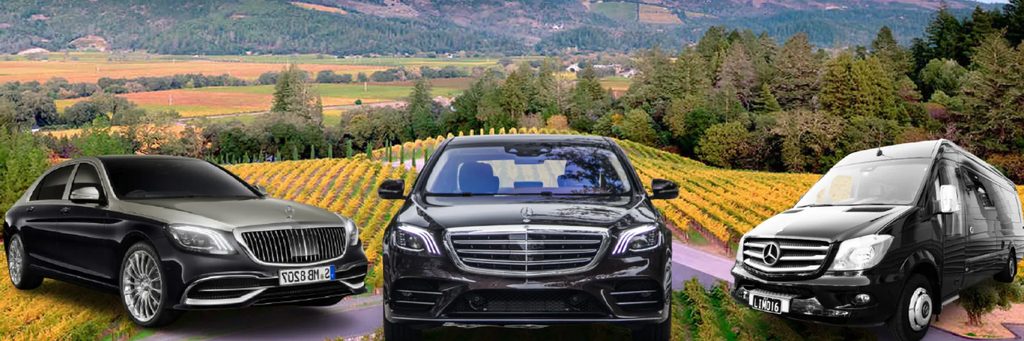
Guided tours vary considerably. Some focus on production facilities, while others emphasize vineyard landscapes, winery history, or the relationship between grape-growing conditions and wine characteristics.
Benefits of guided winery tours
A deeper understanding of winemaking: Visitors can learn how grapes become wine and how production decisions influence the finished product.
More context for the tasting: Understanding fermentation, aging, and grape varieties can help guests interpret what they notice in the glass.
A broader winery experience: A tour may include areas that are not part of a standard tasting appointment, depending on the property’s visitor policies.
An educational activity: Guided tours can be particularly appealing to visitors who want to learn rather than focus only on sampling wines.
What should you check before booking?
Confirm the tour duration and whether a tasting is included. Ask which areas are visited and whether the route involves walking on uneven surfaces, stairs, or outdoor paths.
Some tours may be affected by weather, vineyard conditions, or seasonal production activities. Visitors should check the winery’s current itinerary rather than assume every tour includes the same stops.
Also consider the time required to travel from the previous winery and arrive before the tour begins.
Comparing the Three Wine Tasting Formats
The most suitable option depends on what visitors want from their day.
| Feature | Seated tasting | Bar tasting | Guided winery tour |
|---|---|---|---|
| Main focus | Hosted wine experience | Tasting selected wines | Winemaking and winery context |
| Typical setting | Table or designated seating | Tasting counter | Winery grounds or production areas |
| Pace | Often structured | Depends on the format | Usually follows a planned route |
| Learning opportunities | Wine styles and tasting notes | Wine introductions and questions | Production, vineyards, and tasting |
| Time commitment | Varies by appointment | May be shorter, depending on the venue | Often requires additional time |
| Best suited for | Visitors seeking a relaxed tasting | Visitors wanting a direct tasting experience | Visitors interested in how wine is made |
| Reservations | Check winery requirements | Check winery requirements | Advance booking is often advisable |
This comparison is a general guide, not a guarantee of what a particular winery offers. Always review the details of the specific experience before booking.
How to Choose the Right Format for Your Group
Different travelers may have different expectations. A couple interested in comparing Cabernet Sauvignon and Chardonnay may prefer a seated tasting, while visitors curious about fermentation and barrel aging may enjoy a guided tour.
Before choosing experiences, discuss the group’s priorities.
For first-time visitors
A combination of a guided tour and a tasting can provide useful context. Visitors can learn about the winery before exploring its wines.
If the group has limited time, one guided experience may be enough to introduce the winemaking process without making the entire day too structured.
For experienced wine enthusiasts
Visitors who already understand basic wine terminology may prefer tastings that focus on particular varietals, vineyard sites, vintages, or production methods.
Read the tasting descriptions carefully to determine whether a winery offers a distinctive selection rather than repeating the same type of experience at every stop.
For couples and small groups
A seated tasting can provide a relaxed setting for conversation. However, groups should check whether the winery offers private appointments, shared seating, or specific reservation requirements.
For mixed-interest groups
Not everyone in a group may want an extended technical discussion about wine. Combining one educational tour with a shorter tasting can provide variety.
Visitors who do not drink alcohol may still enjoy vineyard scenery, winery architecture, food experiences, or non-alcoholic options when offered. Confirm availability directly with each property.
How Much Time Should You Allow at Each Winery?
The amount of time needed depends on the tasting format, the winery’s schedule, and how much time visitors want to spend at the property.
A simple tasting appointment may take less time than a tour that includes vineyards, production facilities, and a hosted tasting. Travel between wineries also needs to be included in the itinerary.
When planning the day, account for:
- The scheduled appointment duration
- Arrival and check-in time
- The time required to travel between wineries
- Parking and walking to the tasting area
- Lunch or other meal breaks
- Time for browsing winery shops, if desired
- Unexpected traffic or schedule changes
Avoid scheduling appointments too close together. If the first experience runs late, the group may have to rush to the next property.
A more relaxed itinerary with fewer stops can be more enjoyable than trying to visit as many wineries as possible. The goal should be to experience each visit comfortably, not simply complete a list of destinations.
How to Compare Tasting Fees and Inclusions
Tasting prices vary by winery and experience. The cost may depend on the wines served, the level of hosting, the location, the group size, and whether food or a guided tour is included.
Instead of comparing prices alone, review what each reservation provides.
Ask these questions before booking:
- How many wines are included?
- Is the tasting hosted or self-guided?
- Is food included?
- Does the reservation include a winery tour?
- Is the appointment private or shared?
- Are there group-size restrictions?
- What is the cancellation policy?
- Is there a purchase requirement or other condition?
A more expensive experience may include additional time or instruction, while a simpler tasting may be better for visitors who want to compare wines without a long appointment.
Review the current terms directly with the winery. Do not rely on old prices or descriptions from third-party itineraries.
Planning Transportation Between Napa Valley Wineries
Transportation is an important part of a wine tour, especially when the itinerary includes multiple reservations.
Before selecting a vehicle or transportation arrangement, finalize the winery list, appointment times, group size, and preferred route.

Consider the distance between properties and whether the itinerary requires travel through different parts of Napa Valley. A route that looks simple on a map may take longer when it includes several scheduled stops.
For an organized day, prepare a written itinerary with:
- Winery names and addresses
- Reservation times
- Expected duration at each property
- Lunch arrangements
- Pickup and drop-off locations
- A contact person for the group
- Any special accessibility requirements
A designated driver or prearranged transportation can help visitors avoid the need to drive after wine tasting. Confirm the vehicle arrangement and service duration in advance, especially when the schedule includes several appointments.
For larger groups, consider passenger capacity and luggage or storage needs. The vehicle should be appropriate for the actual number of passengers rather than selected only on appearance.
What to Consider When Visiting During Different Seasons
Napa Valley wine tourism changes throughout the year. Weather, vineyard activity, visitor demand, and individual winery schedules can influence the experience.
During warmer months, visitors may prefer outdoor seating or vineyard views, if available. Cooler or rainy conditions may make indoor tastings more comfortable.
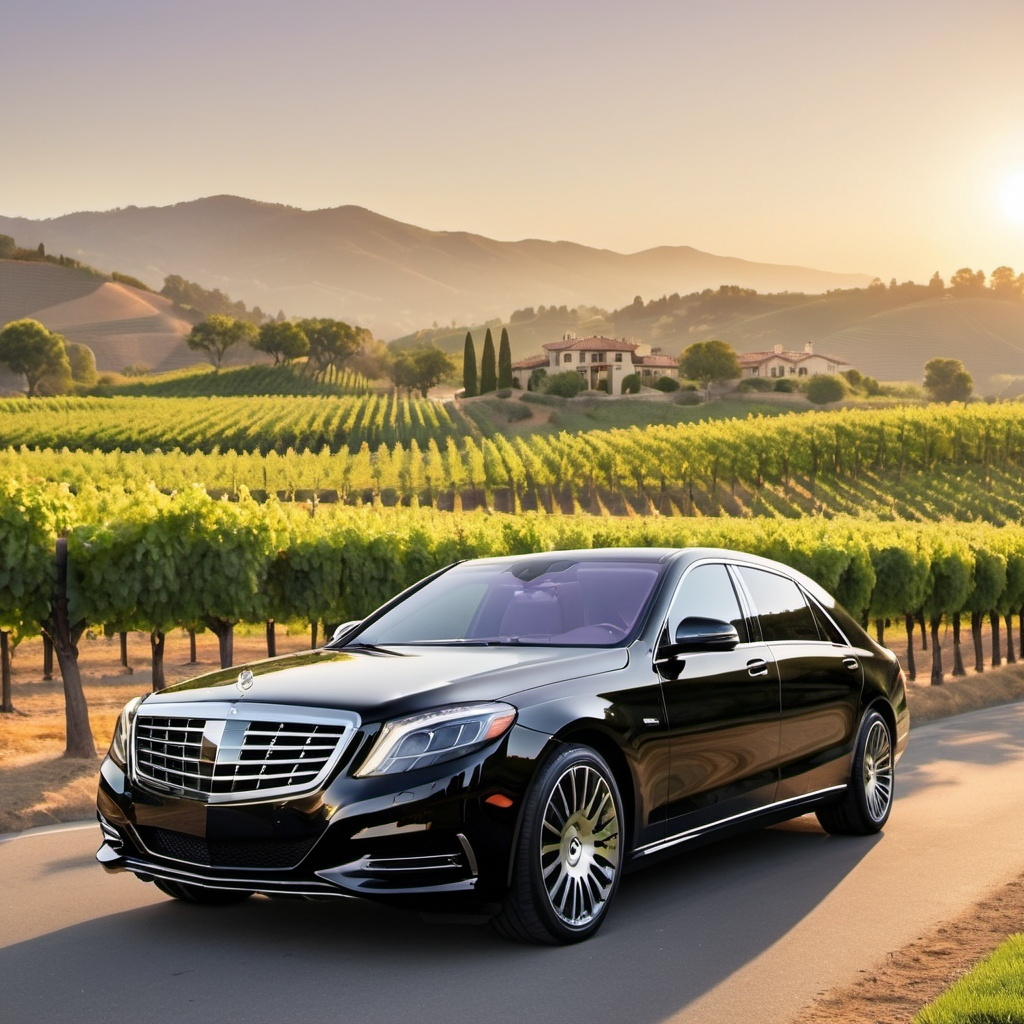
Harvest periods can bring additional activity to wineries, but the exact timing and visitor access vary by property and year. Do not assume that a tour will include active harvesting or production simply because the visit takes place during harvest season.
Before confirming reservations, check the winery’s current schedule, dress recommendations, accessibility information, and weather-related policies.
If the itinerary includes outdoor walking, choose comfortable footwear and carry suitable clothing for the conditions.
Common Mistakes to Avoid When Planning a Napa Wine Tour
Even a carefully planned trip can become rushed if important details are overlooked.
Booking too many wineries: Several long appointments can leave little time for lunch, travel, or unexpected delays. Choose experiences based on quality and interest rather than quantity alone.
Assuming all tastings are similar: A seated tasting, tasting-bar appointment, and guided tour may provide different levels of service and information. Review the descriptions before reserving.
Ignoring travel time: Appointment times should account for the route between wineries and the time required to park and check in.
Failing to confirm reservations: Some wineries have limited capacity or specific arrival requirements. Verify each booking before the visit.
Overlooking food and water: Plan appropriate meal breaks and drink water throughout the day.
Leaving transportation until the last minute: Confirm the travel arrangements after the winery schedule is reasonably settled.
Forgetting group preferences: Ask whether guests prefer educational tours, relaxed tastings, vineyard scenery, or a mix of activities.
Avoiding these common mistakes makes it easier to create an itinerary that suits the group and respects each reservation.
A Sample Napa Valley Wine Tour Structure
The following example shows how different tasting formats might fit into one day. It is illustrative and does not represent actual availability at any specific winery.
| Part of the day | Suggested experience |
|---|---|
| Morning | Guided winery tour with an included or separately booked tasting |
| Late morning | Travel to the next winery |
| Midday | Lunch and a break |
| Afternoon | Seated tasting at a reserved appointment |
| Later afternoon | Optional shorter tasting, if time allows |
| End of day | Return transportation to the agreed destination |
This structure gives the group a mix of education, tasting, and rest. Adjust the plan based on the actual winery locations, reservation durations, and travel requirements.
If visitors prefer a slower day, two well-chosen experiences may be more appropriate than three or four closely scheduled appointments.
Final Thoughts
Seated wine tastings, bar tastings, and guided winery tours each offer a different way to experience Napa Valley. A seated tasting may suit visitors who prefer a relaxed, hosted setting. A bar tasting can provide a direct introduction to selected wines, while a guided tour offers more insight into the winery and its production methods.
The best choice depends on the group’s interests, schedule, budget, and preferred pace. Reviewing each winery’s experience description and reservation policies helps visitors make informed decisions before traveling.
For a more comfortable Napa Valley wine tour, leave enough time between appointments, confirm transportation arrangements, and select experiences that complement one another. A thoughtful itinerary allows visitors to appreciate the wineries they visit without feeling rushed from one reservation to the next.