Napa Valley is one of California’s most recognized wine regions, known for its vineyards, tasting rooms, estate wineries, scenic roads, and long history of winemaking. A visit to Napa can be simple, such as stopping at a tasting room for a few wines, or it can become a carefully planned day involving several wineries, vineyard experiences, food pairings, and private transportation.
For travelers who want a more personalized experience, Napa Valley wine tours private options provide a way to organize a wine-country day around a specific schedule. For families, corporate groups, wedding parties, friends, and other larger parties, Napa Valley group wine tours can make the day easier to coordinate.

Another popular search is private wine tours Napa, which generally refers to customized experiences where a group can travel together and build a winery itinerary suited to its interests. Along with transportation and winery reservations, one of the most important questions travelers ask is, how much is a wine tasting?
The answer depends on the winery, tasting format, wines included, food pairings, location, and level of the experience. According to Visit Napa Valley, a basic wine tasting averages about $40, while tasting fees can range from around $20 to $200 or more for elevated experiences.
This guide explains how private and group wine tours work, what to expect at Napa wineries, how tasting fees are calculated, and how to build a comfortable Napa Valley itinerary.
Understanding Napa Valley Wine Tours
A Napa Valley wine tour is more than simply traveling from one winery to another. It can combine wine education, vineyard scenery, local history, food, architecture, and transportation into one day.
Napa Valley includes several communities and wine-growing areas, including Napa, Yountville, Oakville, Rutherford, St. Helena, and Calistoga. Each area has its own collection of wineries, tasting rooms, restaurants, and attractions.
Some visitors are interested in Cabernet Sauvignon and want to concentrate on wineries known for Cabernet-focused portfolios. Others prefer sparkling wine, Chardonnay, Pinot Noir, Sauvignon Blanc, or a combination of different styles.
The purpose of planning a wine tour is therefore not necessarily to visit as many wineries as possible. A better approach is to select experiences that fit the group’s interests and allow enough time at each stop.
Visit Napa Valley recommends planning approximately two or three winery visits in one day because many tasting experiences take at least 90 minutes when travel time is included.
This is particularly important for private and group tours.
What Are Napa Valley Wine Tours Private Experiences?
Napa Valley wine tours private experiences are designed for a single party rather than a mixed group of unrelated travelers.
For example, a private tour may be organized for:
- Couples
- Families
- Friends
- Birthday celebrations
- Anniversaries
- Corporate groups
- Wedding guests
- Bachelor or bachelorette groups
- Wine clubs
- Business visitors
- Small social groups
The main difference is flexibility.
A private itinerary can be planned around the interests and schedule of the group. Instead of following a fixed public-tour schedule, travelers can discuss preferred winery styles, meal stops, tasting formats, and the amount of time they want to spend in different parts of Napa Valley.
Benefits of a Private Wine Tour
A private wine tour can offer several practical advantages.
Personalized itinerary: The group can select wineries based on its interests.
Private transportation: Everyone can travel together rather than arranging separate vehicles.
Flexible schedule: The itinerary can be structured around reservations and meal times.
Group privacy: Friends, family, or colleagues can spend the day together without sharing the vehicle with strangers.
Better coordination: One itinerary makes it easier to keep track of winery reservations, lunch, departure times, and return transportation.
Private touring can also be useful for visitors who have already been to Napa and want something different from a standard tourist itinerary.
Private Wine Tours Napa: What Can Be Included?
When researching private wine tours Napa, it is useful to understand what the tour itself includes and what may need to be paid separately.
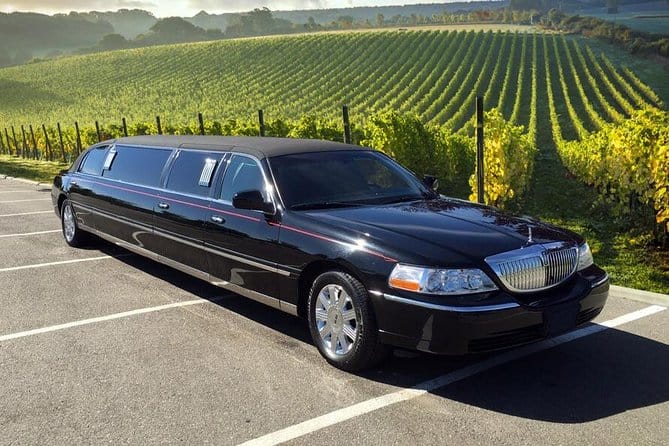
A private wine tour may involve:
- Private vehicle transportation
- Professional chauffeur or driver
- Winery reservations
- Winery tasting fees
- Vineyard visits
- Wine education
- Food and wine pairings
- Lunch reservations
- Scenic stops
- Downtown Napa visits
- Customized pickup and drop-off
- Multiple winery appointments
These components are not automatically included in every tour. Travelers should confirm the details before booking.
For example, a transportation package may cover the vehicle and driver but not winery tasting fees. A winery experience may include several wines but charge separately for food pairings. A private tasting may also have a different price from a standard tasting-room flight.
Understanding these differences helps travelers build a realistic budget.
Napa Valley Group Wine Tours
Napa Valley group wine tours are suitable for larger parties that want to explore wine country together.
Group travel can be especially useful when several people are traveling for a wedding, reunion, corporate meeting, birthday, or special event.
A group wine tour requires more planning than an individual visit because the itinerary must work for everyone.
Important considerations include:
- Number of passengers
- Vehicle capacity
- Winery group policies
- Reservation times
- Pickup locations
- Lunch arrangements
- Travel time between wineries
- Accessibility needs
- Restroom stops
- Wine storage
- Return schedule
Visit Napa Valley notes that some wineries can accommodate large groups and offer dedicated spaces and activities for group events.
However, large groups should not assume that every tasting room accepts the same number of visitors. Winery policies can vary considerably.
Why Group Size Matters
The size of the group can influence almost every part of a wine tour.
A group of four may be able to reserve a small tasting room experience without much difficulty. A group of 20 or more may need a larger winery, special reservation, private room, or designated group experience.
The vehicle also matters.
For example, a group traveling in separate cars may arrive at different times and need several designated drivers. A shared private vehicle can simplify the transportation side of the trip.
Large groups should also communicate their arrival time clearly to wineries. Delays can affect tasting reservations and the rest of the day’s itinerary.
How Much Is a Wine Tasting in Napa Valley?
One of the most common questions from first-time visitors is, how much is a wine tasting?
There is no single Napa Valley tasting price.
Visit Napa Valley currently states that a basic Napa Valley wine tasting averages about $40, with options ranging approximately from $20 to $200 or more depending on the experience.
This broad range exists because Napa wineries offer different types of experiences.
Basic Wine Tastings
A basic tasting usually involves several wines presented as a flight.
The experience may take place at a tasting bar, table, patio, or other designated area.
These tastings are generally among the simpler ways to sample a winery’s current releases.
Seated Tastings
Seated tastings have become increasingly common in Napa Valley.
Visitors may sit at a reserved table while a wine educator explains the wines, grape varieties, vineyards, winemaking techniques, and tasting characteristics.
Visit Napa Valley reports that many Napa tasting experiences are now seated and may last approximately one hour to 90 minutes.
Wine and Food Pairings
Some wineries combine wine with cheese, charcuterie, seasonal dishes, or other food.
Because additional food preparation and service are involved, these experiences generally cost more than a basic tasting.
Vineyard and Winery Tours
A winery tour may include a walk through the property, production areas, caves, or vineyards before the tasting.
This provides more educational information about how grapes move from vineyard to finished wine.
Private and VIP Tastings
Private tastings are typically more personalized and may involve limited-production wines, library selections, private rooms, or dedicated wine educators.
These experiences can be substantially more expensive than standard tastings.
For example, Visit Napa Valley currently lists certain elevated experiences above $100 per person, illustrating how much pricing can increase when additional access, education, or premium wine experiences are involved.
Why Wine Tasting Prices Vary
Several factors influence the cost of a Napa wine tasting.
1. Winery Location
Wineries in different parts of Napa Valley may have different pricing structures.
2. Wine Selection
A tasting featuring reserve, estate-grown, library, or limited-production wines may cost more than a flight of current releases.
3. Experience Length
A 30-minute tasting and a 90-minute vineyard and cellar experience require different levels of staff involvement.
4. Food Pairings
Cheese, charcuterie, seasonal food, or multi-course pairings add to the overall cost.
5. Private Access
Private rooms, dedicated hosts, vineyard tours, and personalized experiences can increase the fee.
6. Group Size
Larger groups may require special arrangements and advance reservations.
7. Season and Availability
Some winery experiences and special tasting offers are seasonal. Travelers should confirm current prices and availability directly with the winery before visiting. Visit Napa Valley specifically advises visitors to verify tasting offerings because experiences can change seasonally.
Are Wine Tasting Fees the Same as Tour Costs?
No.
This distinction is important when creating a Napa Valley wine tour budget.
A wine tasting fee is generally paid to the winery for the tasting experience.
A tour or transportation cost covers transportation and potentially other services associated with the day’s itinerary.
For example, a traveler could have:
- Transportation cost
- Three tasting fees
- Lunch
- Food pairing
- Bottle purchases
- Winery tour fees
- Gratuities
These expenses should be considered separately.
If three wineries each charge $40 per person for tasting, the tasting portion alone would be approximately $120 per person before transportation, food, or other expenses.
The actual amount can be lower or higher depending on the selected wineries.
How Many Wineries Should You Visit in One Day?
More wineries do not necessarily mean a better wine tour.
A common mistake is trying to schedule four, five, or six wineries into one day.
Wine tasting requires time. Guests need to arrive, check in, taste the wines, listen to the host, ask questions, visit the restroom, and get back into the vehicle.
Travel between wineries also takes time.
For that reason, two or three winery appointments can create a more comfortable day. Visit Napa Valley recommends two or three visits and cautions against trying to fit too many experiences into one day.
A sample schedule might look like:
10:00 a.m. – Pickup
Start the day from a hotel, residence, or designated meeting point.
11:00 a.m. – First Winery
Enjoy a seated tasting and learn about the winery.
12:30 p.m. – Travel
Move toward the next destination.
1:00 p.m. – Lunch
Enjoy a relaxed meal rather than rushing directly into another tasting.
2:30 p.m. – Second Winery
Experience another tasting or vineyard tour.
4:00 p.m. – Third Winery
Finish with a final tasting if the group is comfortable continuing.
5:30 p.m. – Return
Travel back to the original pickup or drop-off location.
The exact timing depends on winery reservations and driving distances.
Choosing Wineries for a Private Napa Tour
Selecting wineries is one of the most important parts of planning a private wine tour.
Rather than choosing wineries only because they are popular online, consider what the group actually enjoys.
Cabernet Sauvignon Lovers
Napa Valley is strongly associated with Cabernet Sauvignon, making it a natural choice for guests interested in structured red wines.

Sparkling Wine Fans
A sparkling-focused visit can provide a different experience from a traditional Cabernet tasting.
Domaine Carneros, for example, is known for sparkling wine and Pinot Noir and offers a château-style setting in the Carneros area. Visit Napa Valley includes the winery among Napa’s destinations for wine tasting and group experiences.
White Wine Drinkers
Guests who prefer Chardonnay, Sauvignon Blanc, or other white wines can build an itinerary around wineries that specialize in or regularly feature those varieties.
Wine Beginners
First-time wine drinkers may prefer a mixture of red and white wines and a tasting format that includes explanation and education.
A beginner-friendly itinerary can make the experience more comfortable and less intimidating.
Napa Valley Wine Regions to Consider
Napa Valley is not a single tasting-room district.
It is a collection of communities and American Viticultural Areas, often called AVAs, each with distinctive geography and growing conditions.
Napa
The City of Napa is a convenient starting point for many visitors and includes tasting rooms, restaurants, hotels, and riverfront attractions.
Yountville
Yountville is known for restaurants, tasting rooms, resorts, and proximity to several wineries.
Oakville
Oakville is strongly associated with Cabernet Sauvignon and sits along Highway 29 between Yountville and Rutherford.
Rutherford
Rutherford is another important wine-growing area with numerous estate wineries.
St. Helena
St. Helena combines wineries, restaurants, historic properties, tasting rooms, and a walkable town center.
Calistoga
Calistoga is located farther north and is known for its wineries, hot springs, mountain surroundings, and relaxed atmosphere.
Choosing one general area for several appointments can reduce unnecessary driving.
Private Wine Tours for Special Occasions
Private wine tours can work particularly well for special occasions because the itinerary can be built around the group’s interests.
Birthdays
A birthday wine tour can include a relaxed tasting, lunch, and scenic vineyard stops.
Anniversaries
Couples may prefer private seated tastings and a slower schedule with fewer winery stops.
Weddings
Wedding groups can arrange wine-country transportation around rehearsal dinners, receptions, or post-wedding activities.
Corporate Events
Companies may use Napa Valley wine experiences as part of a retreat, conference, client visit, or team event.
Bachelor and Bachelorette Trips
Large groups can choose wineries that have appropriate group policies and enough space for everyone.
Family Gatherings
Families with mixed wine preferences can combine tastings with lunch, sightseeing, or other Napa Valley activities.
Transportation and Responsible Wine Touring
Transportation is a central part of wine-country planning.
Even though tasting pours are smaller than normal wine servings, alcohol can accumulate over several winery stops.

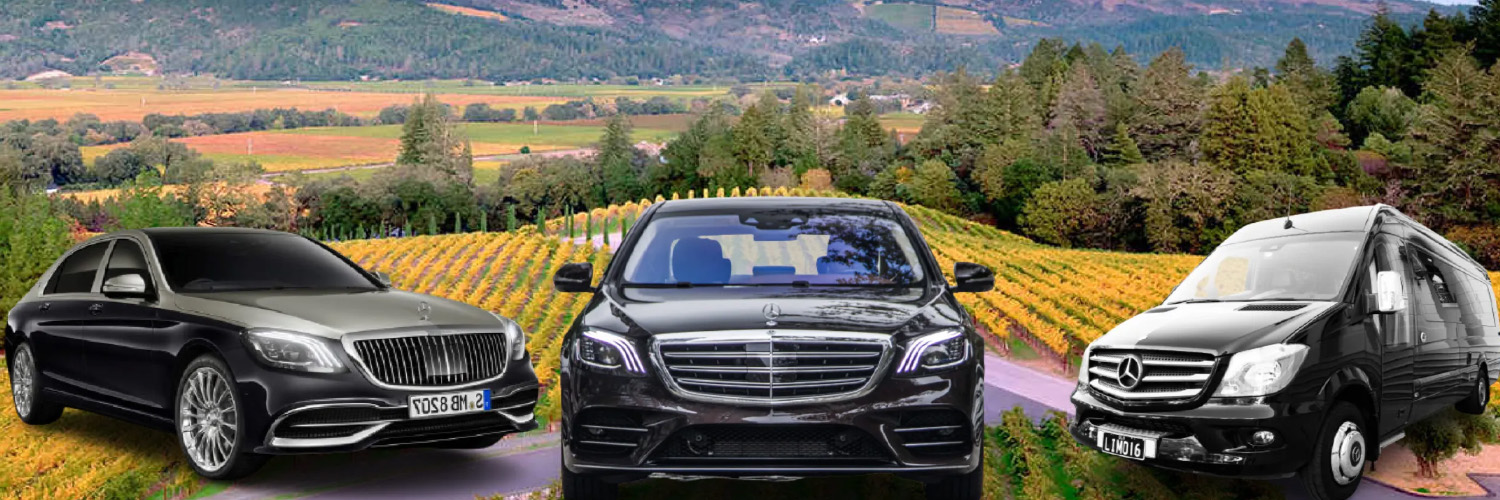
Visit Napa Valley recommends arranging alternate transportation ahead of time and points visitors toward options including rideshare services, taxis, shuttles, and limousines.
For private groups, using a professional driver can help separate driving responsibilities from the wine experience.
This means everyone can focus on the itinerary instead of deciding who will remain sober enough to drive.
It is also important to follow each winery’s rules and local transportation requirements.
What to Bring on a Napa Wine Tour
A few simple preparations can make the day more comfortable.
Comfortable Clothing
Napa’s dress culture is generally relaxed. Visit Napa Valley describes the common style as “wine country casual.”
Layers
Tasting rooms, caves, patios, and outdoor areas can have different temperatures.
Water
Drinking water throughout the day is a simple way to stay comfortable.
Sunglasses
Outdoor vineyard areas can be bright, especially during warmer months.
Identification
Guests participating in alcohol tastings should carry valid identification and meet applicable age requirements.
Comfortable Shoes
Some winery experiences include walking through vineyards, gardens, caves, or estate grounds.
Wine Tasting Etiquette
Good wine-tasting etiquette does not require expert knowledge.
Visitors can ask questions, take their time, and tell the host what they enjoy.
There is no need to pretend to recognize flavors that are unfamiliar.
A useful approach is to describe wine in simple terms:
- Fruity
- Dry
- Sweet
- Light
- Full-bodied
- Smooth
- Bold
- Acidic
- Oaky
- Spicy
The goal is to learn and enjoy the experience.
Should You Tip at a Winery?
Tipping practices vary, but Visit Napa Valley says that tipping is appreciated when a host provides attentive service. Its current guidance suggests approximately $10–$15 per couple for a stand-up tasting, $15–$20 per couple for seated tastings, and $20 or more per couple for boutique wineries and private experiences. For large groups and special celebrations, it suggests around 20% of the winery cost.
Travelers should also check whether a service charge or gratuity has already been included.
Should You Buy Wine After a Tasting?
There is no obligation to purchase wine after tasting.
Some wineries may offer discounts or waive a tasting fee when a certain quantity of wine is purchased. Policies differ between wineries, so visitors should ask before assuming a tasting fee will be credited toward a purchase.
Visit Napa Valley notes that some wine clubs may also provide benefits such as complimentary tastings, discounts, and invitations to special events.
If you purchase bottles, remember to consider how they will be transported and stored during the rest of your trip.
Planning a Napa Valley Group Wine Tour Budget
A realistic budget should include more than just transportation.
Consider dividing expenses into these categories:
Transportation: Vehicle and driver costs.
Tasting fees: The price charged by each winery.
Lunch: Restaurant or winery dining expenses.
Additional experiences: Vineyard tours, cave tours, food pairings, or private tastings.
Wine purchases: Bottles purchased during the day.
Gratuities: Tips for drivers, winery hosts, and other service staff where appropriate.
For example, if a group visits three wineries with tasting fees averaging $40 each, the tasting portion is approximately $120 per person. That does not include transportation, meals, premium experiences, or wine purchases.
Since Napa Valley tasting fees can vary substantially, travelers should verify the current price of each selected experience before finalizing the budget.
How Napa Limo Fits Into Wine Tour Planning
For travelers researching Napa Valley wine tours private or private wine tours Napa, Napa Limo can be part of the transportation planning process for a private wine-country itinerary.
The important point is that transportation should be planned around winery reservations rather than the other way around.
A well-structured itinerary considers:
- Pickup location
- Number of travelers
- Vehicle capacity
- Winery appointment times
- Driving distance
- Lunch reservations
- Planned departure time
- Return destination
- Special group requirements
For group travel, the itinerary should also account for the time needed for everyone to enter and exit the vehicle.
The transportation plan becomes particularly important when the group is visiting wineries in different parts of the valley.
Tips for Booking Private and Group Wine Tours
Make Winery Reservations Early
Many wineries operate by appointment, and popular tasting experiences can fill up well ahead of the visit. Visit Napa Valley recommends making reservations in advance because some tasting rooms can become fully booked weeks before the desired date.
Confirm Group Policies
Ask each winery about its maximum group size, tasting format, arrival requirements, and cancellation policy.
Keep the Itinerary Realistic
Two or three well-planned winery experiences are usually easier to enjoy than a packed schedule.
Allow Extra Travel Time
Traffic, parking, check-in procedures, and unexpected delays can affect the schedule.
Plan Lunch
A proper meal can create a useful break between tasting appointments.
Confirm Tasting Fees
Wine tasting prices change, and premium experiences can cost significantly more than standard flights.
Arrange Transportation Before the Trip
Do not wait until the day of the tour to decide how the group will travel between wineries.
Frequently Asked Questions
How much is a wine tasting in Napa Valley?
A basic Napa Valley wine tasting averages around $40, according to Visit Napa Valley, but prices can range from approximately $20 to $200 or more depending on the winery and experience.
Are private wine tours more expensive?
They can be, because private tours may include exclusive transportation, customized scheduling, private winery experiences, or additional services. However, pricing depends on the vehicle, group size, duration, wineries, and selected experiences.
How many wineries should I visit in one day?
Two or three wineries is a practical target for many visitors. Tasting appointments can last 60–90 minutes or longer, and travel time must also be considered.
Do Napa wineries require reservations?
Many wineries operate primarily by appointment, particularly for seated, private, or specialty experiences. Visitors should check each winery’s current reservation requirements before arriving.
Can large groups visit Napa wineries?
Yes, some Napa wineries offer group-friendly experiences and dedicated event spaces, but policies differ by property. Large groups should contact wineries in advance and confirm capacity.
Are wine tasting fees included in transportation?
Not necessarily. Transportation and winery tasting fees are usually separate expenses unless a specific package states otherwise.
Is Napa Valley suitable for first-time wine drinkers?
Yes. Napa wineries offer a range of experiences, and guests do not need to be wine experts. A guided tasting can help beginners understand grape varieties, aromas, flavors, and winemaking.
Final Thoughts
Planning Napa Valley wine tours private or Napa Valley group wine tours is primarily about creating a comfortable and realistic itinerary. The best wine-country day does not necessarily involve visiting the largest number of wineries. Instead, it allows enough time to enjoy each experience without constantly watching the clock.
For travelers searching for private wine tours Napa, the main considerations are winery selection, group size, transportation, reservations, meal planning, and timing.
The question how much is a wine tasting also requires more than one simple number. Basic tastings may be available around the $20 range, while Visit Napa Valley reports an average basic tasting cost of approximately $40 and premium experiences can reach $200 or more.
Because prices and experiences can change, checking current winery information before the trip is essential. Visit Napa Valley currently lists numerous tasting experiences at $50 or under, while also highlighting more elaborate options involving food, vineyard tours, caves, and educational experiences.
With advance reservations, realistic timing, appropriate transportation, and a clear understanding of tasting fees, a Napa Valley wine tour can become an enjoyable way to experience the vineyards, wines, communities, and landscape of California Wine Country.